

Hey there! I'm a supplier of square steel tubes, and today I wanna chat about the standards these bad boys need to meet. Whether you're in construction, manufacturing, or just a DIY enthusiast, understanding these standards is crucial. It ensures you're getting a quality product that'll serve its purpose well.
Dimensions and Tolerances
First off, let's talk about dimensions. Square steel tubes come in all sorts of sizes, and getting the right dimensions is super important. The outer dimensions of the tube, like the side length of the square cross - section, need to be accurate. For example, if you're using a 2x2 Square Tubing 20 Ft for a specific project, you expect it to be exactly 2 inches by 2 inches.
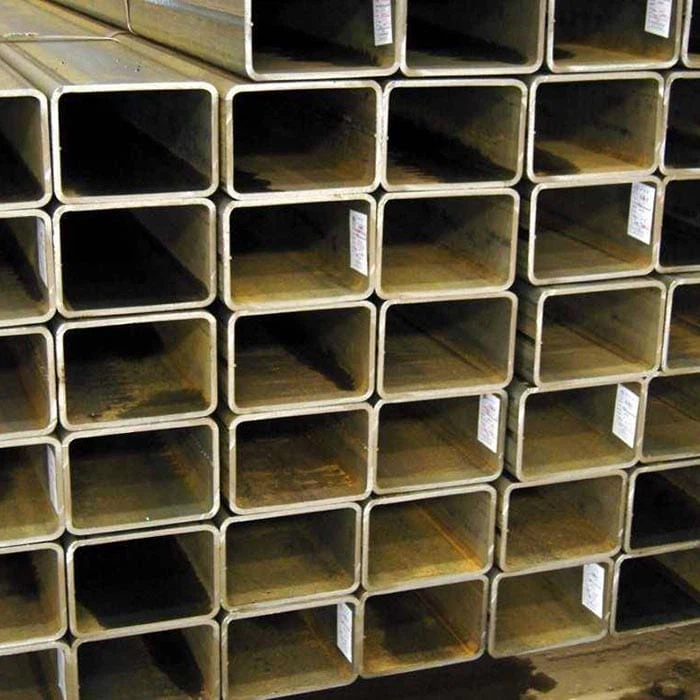

Tolerances are also a big deal. Tolerance refers to the acceptable amount of variation from the specified dimension. Different applications require different levels of tolerance. In high - precision manufacturing, even a tiny deviation can cause problems. Industry standards usually define the acceptable tolerances for square steel tubes. These standards ensure that the tubes from different manufacturers can be used interchangeably in most cases.
Material Quality
The material used to make square steel tubes is another key factor. Most square steel tubes are made from carbon steel, but the quality of the carbon steel can vary widely. The chemical composition of the steel affects its strength, ductility, and corrosion resistance.
For instance, the amount of carbon in the steel impacts its hardness and strength. Higher carbon content generally means higher strength but lower ductility. Manufacturers need to control the carbon content within a specific range to meet the requirements of different applications. Other elements like manganese, silicon, and sulfur also play important roles.
We also have to consider the quality of the raw materials. The steel should be free from impurities such as cracks, voids, and inclusions. These defects can weaken the tube and make it more prone to failure under stress. To ensure the material quality, manufacturers often conduct various tests, like chemical analysis and non - destructive testing.
Mechanical Properties
The mechanical properties of square steel tubes are essential for their performance in different applications. Some of the key mechanical properties include tensile strength, yield strength, and elongation.
Tensile strength is the maximum stress a tube can withstand before breaking under tension. Yield strength is the stress at which the tube starts to deform permanently. Elongation measures how much the tube can stretch before it breaks. These properties are crucial in applications where the tubes are subjected to heavy loads or dynamic forces.
For example, in construction, square steel tubes used in building frames need to have high tensile and yield strengths to support the weight of the structure. In automotive manufacturing, tubes used in chassis components need to have good elongation to absorb energy during a collision.
Industry standards, such as ASTM A500 Square and Rectangular Steel Pipe, specify the minimum requirements for these mechanical properties. By meeting these standards, the tubes can be used safely and effectively in a wide range of applications.
Surface Finish
The surface finish of square steel tubes is not just about looks; it also affects their performance. A smooth surface finish can reduce friction and wear, which is important in applications where the tubes are in contact with other components.
Surface finish also impacts corrosion resistance. A rough surface provides more areas for corrosion to start. To improve corrosion resistance, square steel tubes are often coated or treated. Common surface treatments include galvanizing, painting, and powder coating.
Galvanizing involves coating the tube with a layer of zinc, which acts as a sacrificial anode and protects the steel from corrosion. Painting and powder coating provide a protective barrier between the steel and the environment. The quality of the surface finish is also regulated by industry standards, which define the thickness, adhesion, and appearance requirements of the coatings.
Weld Quality (if applicable)
Many square steel tubes are made by welding. In these cases, the quality of the weld is crucial. A good weld should have high strength and be free from defects such as porosity, lack of fusion, and cracks.
Welding parameters, such as welding current, voltage, and speed, need to be carefully controlled to ensure a quality weld. The weld should also be inspected to make sure it meets the required standards. Non - destructive testing methods like ultrasonic testing and radiographic testing are often used to detect internal defects in the weld.
Compliance with Industry Standards
There are several well - known industry standards for square steel tubes, such as ASTM (American Society for Testing and Materials) standards in the United States and EN (European Norms) standards in Europe. These standards cover all aspects of square steel tubes, from dimensions and material quality to mechanical properties and surface finish.
Compliance with these standards is not only important for the quality of the product but also for legal and regulatory reasons. In many countries, using non - compliant square steel tubes in certain applications can result in legal issues. By adhering to these standards, we can ensure that our square steel tubes are of high quality and can be used in a wide range of applications around the world.
Corrosion Resistance
Corrosion is a major concern when it comes to square steel tubes, especially in outdoor or humid environments. As mentioned earlier, surface treatments can improve corrosion resistance, but the inherent corrosion resistance of the steel also matters.
Some square steel tubes are made from stainless steel, which has excellent corrosion resistance due to the presence of chromium in the steel. Chromium forms a passive oxide layer on the surface of the steel, which protects it from further corrosion. For carbon steel tubes, proper surface treatment is crucial to prevent corrosion.
The level of corrosion resistance required depends on the application. For example, tubes used in marine environments need to have very high corrosion resistance, while those used in indoor, dry environments may not require such high - level protection.
Fire Resistance
In some applications, such as building construction, fire resistance is an important consideration. Square steel tubes can be treated to improve their fire resistance. Fire - resistant coatings can be applied to the tubes to slow down the heating process during a fire.
The fire resistance of square steel tubes is often rated based on the time it takes for the tube to lose its structural integrity under fire conditions. Industry standards define the requirements for fire - resistant square steel tubes, and these standards ensure the safety of buildings and other structures in case of a fire.
Conclusion
In conclusion, square steel tubes need to meet a variety of standards in terms of dimensions, material quality, mechanical properties, surface finish, and more. These standards ensure that the tubes are safe, reliable, and suitable for different applications.
As a supplier of square steel tubes, I understand the importance of meeting these standards. We work hard to ensure that our products are of the highest quality. If you're in the market for square steel tubes or Rectangular Steel Tube, I'd love to have a chat with you. Whether you need a small quantity for a DIY project or a large order for a commercial application, we can provide you with the right square steel tubes that meet all the necessary standards. Feel free to reach out to us to discuss your requirements and start the procurement process.
References
- ASTM International standards on square and rectangular steel pipes.
- European Norms (EN) related to steel tubes.
- Industry publications on steel manufacturing and quality control.