

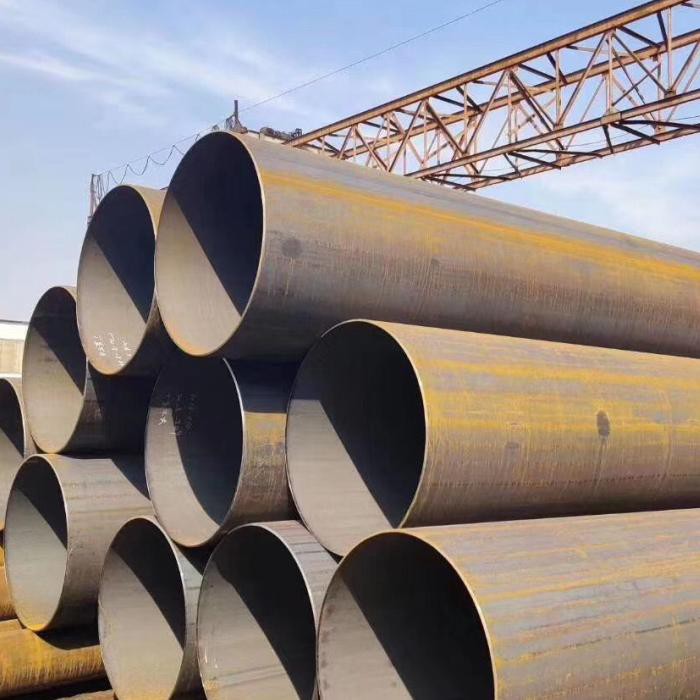
As a trusted supplier of LSAW (Longitudinal Submerged Arc Welded) steel pipes, I understand the importance of providing comprehensive information to our customers. One of the most frequently asked questions is about the installation requirements for LSAW steel pipes. In this blog post, I will delve into the key aspects that need to be considered during the installation process to ensure a successful and long - lasting pipeline system.
Site Preparation
The first step in the installation of LSAW steel pipes is proper site preparation. The ground where the pipes will be laid must be stable and free from any debris, rocks, or other sharp objects that could damage the pipes. A smooth and level surface is essential to prevent uneven stress on the pipes, which can lead to cracking or leakage over time.
If the installation is taking place in an area with high water tables or prone to flooding, appropriate drainage systems should be installed. This helps to prevent water from accumulating around the pipes, which can cause corrosion. Additionally, if the ground is soft or unstable, soil stabilization techniques such as compaction or the use of geotextiles may be necessary.
Pipe Handling
Proper pipe handling is crucial to avoid damage to the LSAW steel pipes before and during installation. When transporting the pipes, they should be secured properly to prevent them from shifting or colliding with each other. Specialized equipment such as pipe cradles and slings should be used to lift and move the pipes.
During handling, it is important to avoid any impact or scratching on the pipe surface. Even minor scratches can compromise the protective coating on the pipes, increasing the risk of corrosion. If the pipes have a protective coating, extra care should be taken to ensure that it remains intact throughout the handling process.
Welding Requirements
Welding is a critical part of the LSAW steel pipe installation process. The welders must be certified and experienced in welding LSAW steel pipes. They should follow the appropriate welding procedures and standards, such as those set by the American Society for Testing and Materials (ASTM) or the American Petroleum Institute (API).
The welding process should be carried out in a clean and dry environment to prevent the formation of defects in the welds. Pre - heating of the pipes may be required depending on the pipe material and thickness. After welding, the welds should be inspected thoroughly using non - destructive testing methods such as ultrasonic testing or radiographic testing to ensure their quality.
Coating and Insulation
LSAW steel pipes often require a protective coating to prevent corrosion. The type of coating used depends on the application and the environmental conditions. For example, in a marine environment, a high - performance epoxy coating may be required.
In addition to corrosion protection, insulation may also be necessary for some applications. Insulation helps to maintain the temperature of the fluid inside the pipes and reduces energy loss. The insulation material should be installed properly to ensure its effectiveness.
Alignment and Support
Proper alignment of the LSAW steel pipes is essential to ensure a smooth flow of fluid through the pipeline. The pipes should be aligned accurately both horizontally and vertically. Misalignment can cause increased pressure drop, vibration, and premature wear of the pipes.
Support structures are also necessary to hold the pipes in place. The type and spacing of the supports depend on the pipe diameter, weight, and the operating conditions. Adequate support helps to prevent sagging and excessive stress on the pipes.

Testing and Commissioning
After the installation is complete, the pipeline system should be tested to ensure its integrity. Hydrostatic testing is a common method used to test the pipes for leaks and to verify their pressure - bearing capacity. The test pressure is usually higher than the normal operating pressure to ensure that the pipes can withstand the expected loads.
Once the testing is successful, the pipeline can be commissioned. Commissioning involves filling the pipeline with the intended fluid, checking the flow rate, and monitoring the pressure and temperature. Any issues identified during the commissioning process should be addressed immediately.
Compliance with Standards
Throughout the installation process, it is important to comply with all relevant standards and regulations. For example, if the LSAW steel pipes are used in the oil and gas industry, they must comply with standards such as ASTM A252 Steel Pipe Casing, LSAW Api 5l Steel Pipe, and ASTM A672 Pipe. These standards ensure the safety and reliability of the pipeline system.
Conclusion
Installing LSAW steel pipes requires careful planning and attention to detail. By following the installation requirements outlined above, you can ensure a successful installation and a long - lasting pipeline system. As a supplier of LSAW steel pipes, we are committed to providing high - quality products and technical support to our customers. If you are in need of LSAW steel pipes for your project, we encourage you to contact us for a detailed discussion about your requirements and to start the procurement process. Our team of experts is ready to assist you in every step of the way.
References
- American Society for Testing and Materials (ASTM) standards
- American Petroleum Institute (API) standards
- Welding codes and guidelines
- Pipe installation handbooks