

Hey there! As a supplier of rectangular pipes, I often get questions about different aspects of these products. One of the most frequently asked questions is about the abrasion resistance of rectangular pipes. So, let's dive right in and explore what abrasion resistance means for rectangular pipes.
What is Abrasion Resistance?
First things first, let's understand what abrasion resistance actually is. Abrasion is the process of wearing away a material's surface due to friction, scraping, or rubbing against another object. Abrasion resistance, then, is a material's ability to withstand this wear and tear. In the context of rectangular pipes, it's all about how well the pipe can handle being rubbed or scraped without getting damaged or losing its structural integrity.
Imagine a rectangular pipe being used in a construction site where it's constantly exposed to rough surfaces, tools, and other construction materials. If the pipe doesn't have good abrasion resistance, it can start to wear down quickly. This can lead to a decrease in the pipe's strength, an increased risk of leaks, and a shorter overall lifespan.
Factors Affecting Abrasion Resistance
There are several factors that can affect the abrasion resistance of rectangular pipes. Let's take a look at some of the most important ones.
Material Composition
The material the pipe is made of plays a huge role in its abrasion resistance. For example, steel pipes are known for their relatively high abrasion resistance. Steel is a strong and durable material that can withstand a lot of wear and tear. Different types of steel can have different levels of abrasion resistance. High-strength low-alloy (HSLA) steels, for instance, are often used in applications where high abrasion resistance is required. They contain small amounts of alloying elements like copper, nickel, and chromium, which enhance the steel's hardness and resistance to abrasion.
On the other hand, pipes made of materials like plastic or aluminum may have lower abrasion resistance compared to steel. Plastic pipes are more flexible and lightweight, but they can be more easily scratched or worn down by sharp objects. Aluminum pipes are also lightweight and corrosion-resistant, but they may not be as resistant to abrasion as steel pipes in certain applications.
Surface Finish
The surface finish of the rectangular pipe can also impact its abrasion resistance. A smooth surface finish can reduce friction and make it more difficult for objects to scrape or wear away the pipe's surface. Pipes with a polished or coated surface are often more resistant to abrasion than those with a rough or untreated surface.
For example, some steel pipes are coated with a layer of zinc through a process called galvanization. This zinc coating not only protects the pipe from corrosion but also provides an additional layer of protection against abrasion. The zinc acts as a sacrificial layer, wearing away before the underlying steel is damaged.
Wall Thickness
The wall thickness of the rectangular pipe is another important factor. Thicker-walled pipes generally have better abrasion resistance than thinner-walled pipes. This is because they have more material to withstand the wear and tear caused by abrasion. However, it's important to note that increasing the wall thickness also increases the weight and cost of the pipe, so it's a balance that needs to be considered based on the specific application.
Measuring Abrasion Resistance
There are several methods for measuring the abrasion resistance of rectangular pipes. One common method is the Taber Abraser test. In this test, a sample of the pipe is placed on a rotating platform, and a pair of abrasive wheels are applied to the surface of the sample under a specific load. The sample is then rotated for a certain number of cycles, and the amount of material worn away is measured. The less material that is worn away, the higher the abrasion resistance of the pipe.
Another method is the sandpaper abrasion test. In this test, a piece of sandpaper is rubbed against the surface of the pipe for a specific number of strokes, and the amount of damage to the pipe's surface is evaluated. This test is a simple and cost-effective way to get a general idea of the pipe's abrasion resistance.
Applications Requiring High Abrasion Resistance
Rectangular pipes with high abrasion resistance are used in a variety of applications. Here are some examples:

Construction
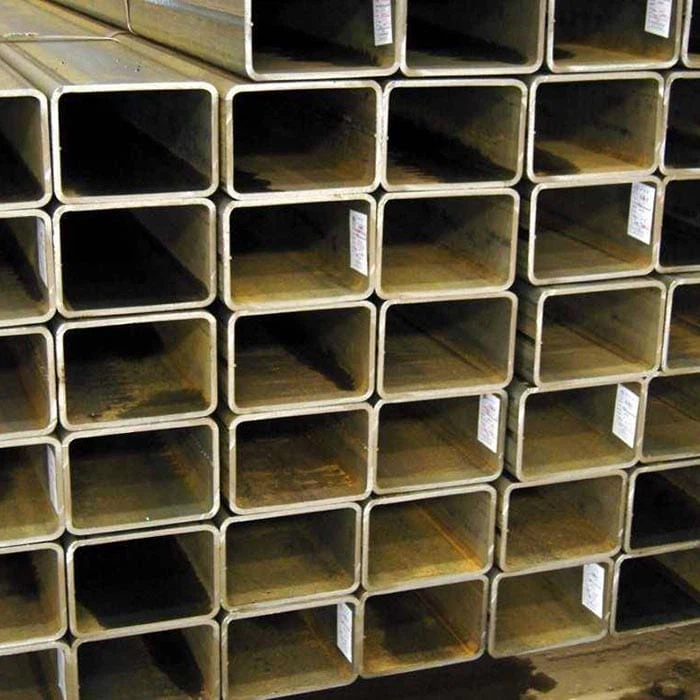
In the construction industry, rectangular pipes are often used for scaffolding, support structures, and fencing. These pipes are exposed to a lot of rough handling, scraping, and rubbing against other construction materials. Pipes with high abrasion resistance are essential to ensure the safety and longevity of these structures. For example, 2x2 Square Tubing 20 Ft is a popular choice for construction applications due to its strength and abrasion resistance.
Mining
In the mining industry, rectangular pipes are used for conveyor systems, chutes, and other equipment that is exposed to abrasive materials like coal, ore, and rock. The pipes need to be able to withstand the constant flow of these materials without getting worn down too quickly. Rectangular Steel Tube is often used in mining applications because of its high abrasion resistance.
Manufacturing
In manufacturing plants, rectangular pipes are used in a variety of machinery and equipment. They may be exposed to abrasive chemicals, high-speed moving parts, or other sources of wear and tear. Pipes with good abrasion resistance are necessary to ensure the smooth operation of the equipment and to prevent costly breakdowns. ASTM A500 Square and Rectangular Steel Pipe meets the standards for high-quality rectangular pipes used in manufacturing applications.
Our Rectangular Pipes and Abrasion Resistance
As a supplier of rectangular pipes, we understand the importance of abrasion resistance in different applications. That's why we offer a wide range of rectangular pipes made from high-quality materials with excellent abrasion resistance. Our steel pipes are carefully selected and tested to ensure that they meet the highest standards of quality and performance.
Whether you need a pipe for a construction project, a mining operation, or a manufacturing plant, we have the right solution for you. Our team of experts can help you choose the best pipe based on your specific requirements, including the level of abrasion resistance needed.
Contact Us for Your Rectangular Pipe Needs
If you're in the market for rectangular pipes with high abrasion resistance, don't hesitate to reach out to us. We're here to answer your questions, provide you with more information about our products, and help you find the perfect pipe for your application. Whether you need a small quantity for a DIY project or a large order for a commercial project, we can accommodate your needs.
Let's work together to ensure that your project is a success with our high-quality rectangular pipes.
References
- "Materials Science and Engineering: An Introduction" by William D. Callister Jr. and David G. Rethwisch
- "Handbook of Abrasion Testing" by Michael V. Swain and G. de With