

Hey there! As a supplier of LSAW Line Pipe, I often get asked about the insulation performance of these pipes. In this blog post, I'll break down everything you need to know about the insulation capabilities of LSAW Line Pipe, why it matters, and how it can benefit your projects.
What is LSAW Line Pipe?
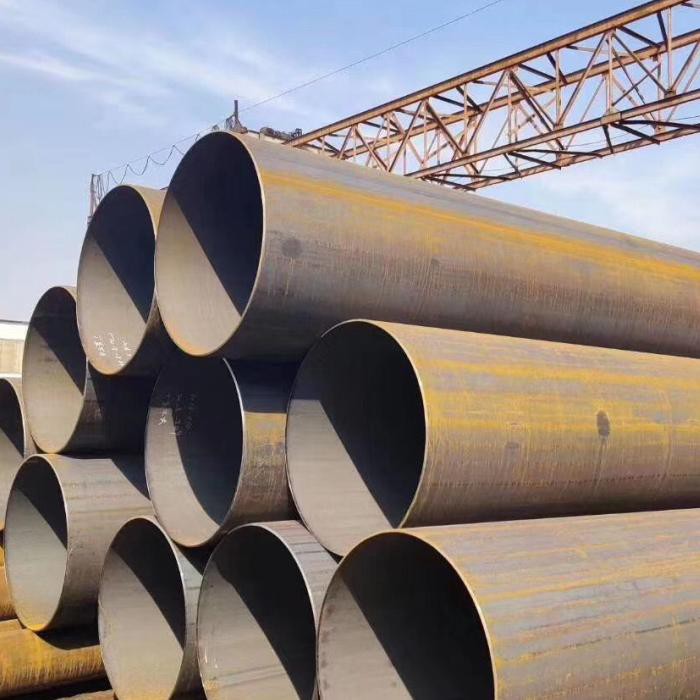
Before we dive into insulation performance, let's quickly cover what LSAW Line Pipe is. LSAW stands for Longitudinal Submerged Arc Welded. These pipes are made by bending a steel plate into a tubular shape and then welding the seam along the length of the pipe using submerged arc welding. This process results in a high - quality, strong, and reliable pipe that is commonly used in various industries, including oil and gas, water transportation, and construction. You can learn more about LSAW Line Pipe on our website.
Why Insulation Performance Matters
Insulation is crucial for LSAW Line Pipes for several reasons. First off, in industries like oil and gas, maintaining the temperature of the fluid inside the pipe is essential. If the temperature drops too much, the viscosity of the oil can increase, making it more difficult to transport. On the other hand, in some cases, overheating can cause chemical reactions or damage to the pipe itself.
In water transportation systems, insulation helps prevent freezing during cold weather, which can lead to pipe bursts and costly repairs. Additionally, proper insulation can reduce energy consumption by minimizing heat loss or gain, making the overall system more efficient.
Factors Affecting Insulation Performance
Material of the Pipe
The base material of the LSAW Line Pipe plays a role in its insulation properties. Different types of steel have different thermal conductivities. For example, some alloy steels may have slightly better insulation characteristics compared to plain carbon steels. However, the main function of the steel pipe is to provide structural integrity, and additional insulation materials are usually added to enhance the thermal performance.
Insulation Material
The type of insulation material used on the LSAW Line Pipe has a significant impact on its insulation performance. Common insulation materials include foam, fiberglass, and mineral wool.
Foam insulation, such as polyurethane foam, has a low thermal conductivity, which means it can effectively reduce heat transfer. It is also lightweight and easy to install. Fiberglass insulation is another popular choice. It is fire - resistant and has good insulation properties. Mineral wool insulation is known for its high - temperature resistance and sound - absorbing capabilities.
Thickness of the Insulation
The thickness of the insulation layer directly affects the insulation performance. Generally, the thicker the insulation, the better the thermal resistance. However, there is a balance to be struck, as adding too much insulation can increase costs and may not be practical in all situations.
Installation Quality
Even the best insulation materials won't perform well if they are not installed correctly. Proper installation ensures that there are no gaps or voids in the insulation, which can allow heat to escape. The insulation should be tightly wrapped around the pipe and sealed at the joints to prevent air leakage.
Measuring Insulation Performance
The most common way to measure the insulation performance of LSAW Line Pipe is by looking at its thermal conductivity, which is usually denoted by the symbol "k". Thermal conductivity is a measure of how easily heat can pass through a material. A lower "k" value indicates better insulation performance.
Another important metric is the R - value, which is the thermal resistance of the insulation. The R - value is calculated based on the thickness and thermal conductivity of the insulation material. A higher R - value means better insulation.
Applications and Insulation Requirements
Oil and Gas Industry
In the oil and gas industry, LSAW Line Pipes are used to transport crude oil, natural gas, and refined products. These pipes often need to be insulated to maintain the temperature of the fluids during long - distance transportation. For example, in cold regions, the insulation needs to be thick enough to prevent the oil from solidifying.
Water Supply Systems
In water supply systems, insulation is mainly used to prevent freezing in cold climates. The insulation requirements are usually less stringent compared to the oil and gas industry, but still important to ensure the reliability of the system.
Construction Industry
In construction, Steel Pipe Piles and LSAW Line Pipes are sometimes used in heating, ventilation, and air - conditioning (HVAC) systems. Insulation helps to maintain the temperature of the air or water flowing through the pipes, improving the energy efficiency of the building.
Benefits of Good Insulation Performance
Energy Savings
By reducing heat loss or gain, well - insulated LSAW Line Pipes can significantly reduce energy consumption. This not only saves money but also has a positive impact on the environment by reducing carbon emissions.

Extended Pipe Lifespan
Insulation can protect the pipe from extreme temperatures, which can cause expansion and contraction, leading to cracks and leaks over time. By maintaining a more stable temperature, the lifespan of the pipe can be extended.
Improved System Reliability
Proper insulation helps to ensure the consistent flow of fluids in the pipe, reducing the risk of blockages and other operational issues. This improves the overall reliability of the system.
Comparing with Other Types of Pipes
When compared to other types of pipes, such as ASTM A252 Steel Pipe Casing, LSAW Line Pipes offer similar insulation performance potential. However, the advantage of LSAW Line Pipes lies in their strength and the ability to be customized for different applications. The longitudinal welding process used in LSAW Line Pipes results in a stronger seam, which can withstand higher pressures and stresses.
Conclusion
In conclusion, the insulation performance of LSAW Line Pipe is a critical factor that can significantly impact the efficiency, reliability, and lifespan of a piping system. By choosing the right insulation material, ensuring proper installation, and considering the specific requirements of your application, you can maximize the insulation benefits of these pipes.
If you're in the market for high - quality LSAW Line Pipe with excellent insulation performance, we're here to help. We have a wide range of pipes and insulation options to meet your needs. Whether you're working on an oil and gas project, a water supply system, or a construction project, we can provide you with the right solution. Don't hesitate to reach out to us for more information and to start a procurement discussion.
References
- "Handbook of Thermal Insulation"
- "Pipe Insulation Technology for Industrial Applications"