

Hey there! As a supplier of Steel Pipe Piles, I often get asked about the fire - resistance properties of steel pipe piles. So, I thought I'd sit down and write this blog to share some insights on this topic.
First off, let's understand what steel pipe piles are. They're basically long, hollow tubes made of steel that are driven into the ground to support structures like buildings, bridges, and offshore platforms. These piles are super important as they transfer the load of the structure to a more stable layer of soil or rock beneath.
Now, when it comes to fire, steel is a bit of a double - edged sword. On one hand, steel is a non - combustible material. Unlike wood or some plastics, it won't catch fire on its own when exposed to flames. But on the other hand, its mechanical properties can change significantly when it gets hot.
When steel is heated, its strength and stiffness start to decline. As the temperature rises, the steel begins to expand. At around 400 - 600 degrees Celsius, the strength of steel can drop by about 50%. And if the temperature reaches 800 - 1000 degrees Celsius, the steel can lose almost all of its load - bearing capacity. This is a major concern for steel pipe piles in a fire situation, especially when they're supporting large structures.
Let's take a look at some of the factors that affect the fire - resistance of steel pipe piles.
Wall Thickness
The thickness of the steel pipe pile wall plays a big role. A thicker - walled pipe will take longer to heat up compared to a thinner one. This is because there's more steel mass to absorb the heat. So, in a fire, a thicker - walled steel pipe pile can maintain its structural integrity for a longer period. For example, if you have a thin - walled LSAW Api 5l Steel Pipe used as a pile and a thick - walled one, the thick - walled pile will be able to withstand the heat better and keep supporting the structure for a bit longer.
Coating and Insulation
Applying a fire - resistant coating to the steel pipe piles can significantly improve their fire - resistance. These coatings work by either insulating the steel from the heat or by forming a protective layer that slows down the heating process. Some coatings are intumescent, which means they expand when heated, creating a thick, insulating char layer. This char layer acts as a barrier between the steel and the fire, reducing the rate at which the steel heats up.
Insulation materials can also be used around the steel pipe piles. For instance, mineral wool or fiberglass insulation can be wrapped around the piles. These materials have low thermal conductivity, which means they don't transfer heat easily. So, they help to keep the steel cool for a longer time in a fire.
Surrounding Environment
The environment in which the steel pipe piles are installed also matters. If the piles are in a confined space, like inside a building or a basement, the heat can build up more quickly. On the other hand, if the piles are exposed to the open air, the heat can dissipate more easily. Also, the presence of other combustible materials nearby can increase the intensity of the fire and the rate at which the steel piles heat up.
Fire - Resistance Ratings
In the construction industry, fire - resistance ratings are used to measure how long a structural element can withstand a fire. For steel pipe piles, these ratings are usually given in hours. For example, a steel pipe pile with a 2 - hour fire - resistance rating means that it can maintain its load - bearing capacity for 2 hours under standard fire conditions. These ratings are determined through standardized fire tests, where the piles are exposed to a controlled fire and their performance is monitored.
ASTM A252 Steel Pipe Casing
ASTM A252 Steel Pipe Casing is a type of steel pipe commonly used for piles. It has certain properties that can affect its fire - resistance. ASTM A252 pipes are made to specific standards, which ensure a certain level of quality and performance. However, just like other steel pipes, they need proper fire - protection measures to enhance their fire - resistance.
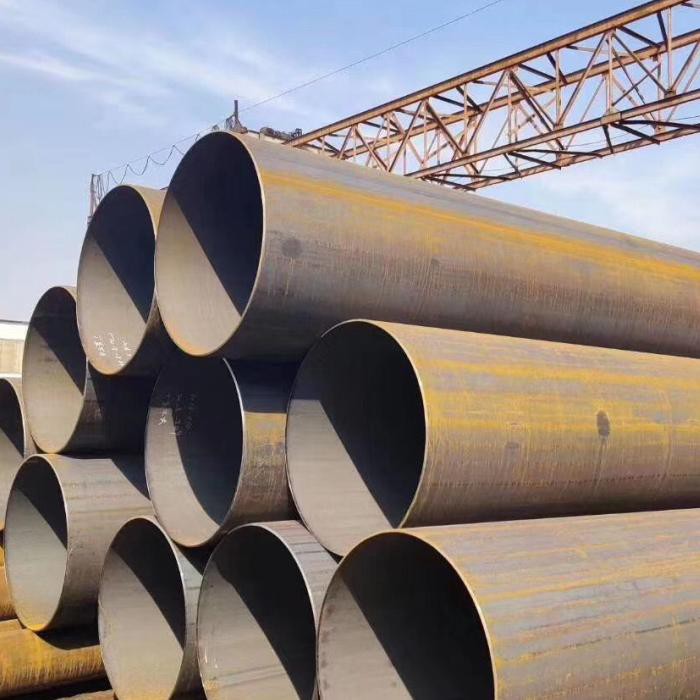

When specifying ASTM A252 steel pipe casing for a project, it's important to consider the fire - safety requirements. You might need to choose a thicker - walled pipe or apply a suitable fire - resistant coating to meet the necessary fire - resistance ratings.
Testing and Certification
To ensure the fire - resistance of steel pipe piles, it's crucial to have them tested and certified. There are independent testing laboratories that can conduct fire tests on the piles according to relevant standards. These tests simulate real - world fire conditions and measure the performance of the piles. Once a pile passes the test, it can be certified with a specific fire - resistance rating. This certification gives confidence to architects, engineers, and contractors that the piles will perform as expected in a fire.
Applications and Fire - Safety Considerations
Steel pipe piles are used in a wide range of applications, from small residential buildings to large industrial complexes. In each application, different fire - safety considerations apply.
For residential buildings, the fire - resistance requirements might not be as strict as for commercial or industrial buildings. However, it's still important to ensure that the steel pipe piles can withstand a fire long enough to allow for safe evacuation. In commercial buildings, especially high - rise structures, the fire - resistance of the piles is crucial. A fire in a high - rise building can spread quickly, and the piles need to support the structure until the fire can be controlled.
In offshore platforms, the fire - safety situation is unique. These platforms are exposed to harsh environments and are at risk of fires caused by oil and gas leaks. The steel pipe piles used in offshore platforms need to have high fire - resistance, as well as corrosion resistance. Special coatings and insulation systems are often used to protect the piles in these environments.
Cost - Benefit Analysis
When it comes to improving the fire - resistance of steel pipe piles, there's always a cost - benefit analysis to be done. Using thicker - walled pipes, applying fire - resistant coatings, or using insulation materials all come with a cost. However, the cost of not having adequate fire - resistance can be much higher. A fire that causes the failure of steel pipe piles can lead to the collapse of a structure, resulting in property damage, injuries, and even loss of life.
So, it's important to find the right balance between cost and fire - safety. In some cases, a more expensive fire - protection solution might be justified, especially for high - risk projects.
Conclusion
In conclusion, the fire - resistance properties of steel pipe piles are complex and depend on several factors. While steel is non - combustible, its mechanical properties can deteriorate rapidly when heated. Wall thickness, coating, insulation, surrounding environment, and proper testing and certification all play important roles in determining the fire - resistance of these piles.
As a Steel Pipe Piles supplier, I understand the importance of providing high - quality, fire - resistant piles. We work closely with our customers to understand their specific fire - safety requirements and offer solutions that meet those needs.
If you're in the market for steel pipe piles and have questions about their fire - resistance or any other aspects, don't hesitate to reach out. We're here to help you make the right choice for your project. Whether it's for a small building or a large - scale infrastructure project, we can provide the right steel pipe piles and advice on fire - protection measures. Let's start a conversation about your procurement needs and how we can ensure the fire - safety of your structures.
References
- "Fire Resistance of Steel Structures" by British Steel Corporation
- "Design of Steel Structures for Fire Safety" by The Institution of Structural Engineers
- ASTM International Standards for steel pipe testing and fire - resistance ratings