

Can seamless steel pipes be used in food - grade applications? Well, that's a question I get asked a lot as a seamless steel pipe supplier. Let's dive right in and break this down.
First off, what are seamless steel pipes? Seamless steel pipes are made from a solid round steel 'billet' which is heated and pushed or pulled over a form until the steel is shaped into a hollow tube. This process gives them a uniform structure and no welded seams, which makes them strong and reliable for various applications.
Now, when it comes to food - grade applications, there are some strict requirements. Food - grade materials need to be non - toxic, resistant to corrosion, and easy to clean. This is to ensure that they don't contaminate the food products they come into contact with.
One of the biggest advantages of seamless steel pipes in food - grade applications is their durability. They can withstand high pressures and temperatures, which is often necessary in food processing plants. For example, in the dairy industry, milk is pasteurized at high temperatures, and seamless steel pipes can handle this heat without deforming or releasing harmful substances.
Another important factor is corrosion resistance. Food products often contain acids, salts, and other chemicals that can corrode metals. Seamless steel pipes, especially those made from stainless steel, have excellent corrosion resistance. Stainless steel contains chromium, which forms a thin, protective oxide layer on the surface of the pipe. This layer prevents rust and corrosion, ensuring that the pipes remain clean and safe for food contact.
Cleanability is also a key consideration. Seamless steel pipes have a smooth inner surface, which makes them easy to clean. There are no seams or joints where bacteria or other contaminants can accumulate. In food processing, cleanliness is of utmost importance to prevent the growth of harmful microorganisms.
However, not all seamless steel pipes are suitable for food - grade applications. The type of steel used matters a great deal. For food - grade use, we typically recommend stainless steel grades such as 304 and 316. These grades are known for their high corrosion resistance and non - toxicity.
304 stainless steel is a common choice. It contains 18% chromium and 8% nickel, which gives it good corrosion resistance in most food - related environments. It's widely used in food processing equipment like conveyors, storage tanks, and piping systems.
316 stainless steel, on the other hand, is even more corrosion - resistant. It contains molybdenum, which enhances its resistance to pitting and crevice corrosion. This makes it ideal for applications where the pipes will come into contact with more aggressive substances, such as saltwater or acidic foods.
When selecting seamless steel pipes for food - grade applications, it's also important to consider the manufacturing process. The pipes should be produced under strict quality control measures to ensure that they meet the relevant food safety standards.
In addition to these technical aspects, cost is also a factor. Seamless steel pipes, especially those made from high - quality stainless steel, can be more expensive than other types of pipes. But when you consider the long - term benefits, such as durability, corrosion resistance, and ease of maintenance, the investment is often worth it.

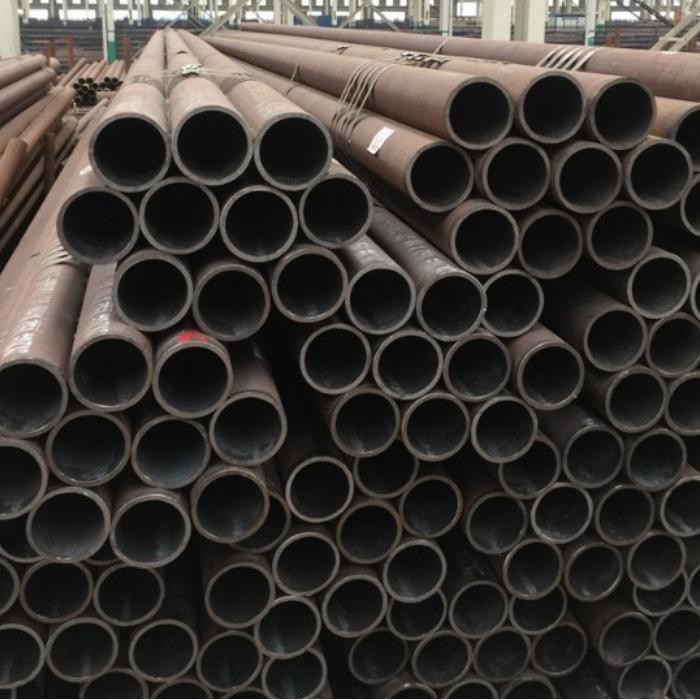
Now, I'd like to mention some of the products we offer as a seamless steel pipe supplier. We have a wide range of seamless steel pipes that are suitable for different applications, including food - grade use. For those looking for pipes that can handle sour service, we have Seamless Pipe for Sour Service Nace. These pipes are designed to resist the corrosive effects of hydrogen sulfide and other sour gases.
Our Seamless Steel Pipe ASTM A53 A106 Pipe is a popular choice for general industrial applications. It meets the ASTM standards, which ensures its quality and performance.
And if you're in need of alloy seamless pipes, we have Alloy Seamless Pipe In Stock. These pipes offer enhanced strength and performance in high - temperature and high - pressure environments.
If you're in the food industry and are considering using seamless steel pipes for your applications, I encourage you to get in touch with us. We can provide you with detailed information about our products, help you select the right pipes for your needs, and offer competitive prices. Whether you're building a new food processing plant or upgrading your existing equipment, we're here to assist you.
In conclusion, seamless steel pipes can definitely be used in food - grade applications, provided that the right type of steel is used and the pipes are manufactured to meet the necessary standards. Their durability, corrosion resistance, and cleanability make them a great choice for food processing and storage. So, if you're in the market for high - quality seamless steel pipes for your food - related projects, don't hesitate to reach out.
References
- ASM Handbook Committee. (2004). ASM Handbook: Properties and Selection: Irons, Steels, and High - Performance Alloys. ASM International.
- American Society of Mechanical Engineers. (2019). ASME B31.3: Process Piping. ASME.
- Stainless Steel World Americas. (2020). Stainless Steel in the Food and Beverage Industry. Stainless Steel World Americas.