

Hey there! As a supplier of Seamless Line Pipe, I often get asked about the wear resistance of these pipes. So, let's dive right into it and break down what wear resistance means for seamless line pipes.
First off, what exactly is wear resistance? In simple terms, wear resistance refers to a material's ability to withstand the damage caused by contact with another surface. For seamless line pipes, this is super important because they're used in all sorts of environments where they can be exposed to abrasion, erosion, and other forms of wear.
When it comes to seamless line pipes, wear can happen in a few different ways. One common type of wear is abrasion. This occurs when the pipe comes into contact with solid particles, like sand or gravel. Imagine a pipeline carrying a mixture of oil and sand. As the sand particles flow through the pipe, they rub against the inner surface, gradually wearing it down. Over time, this can lead to thinning of the pipe wall, which can compromise its structural integrity.
Another type of wear is erosion. Erosion is similar to abrasion, but it's usually caused by the flow of a fluid, like water or gas, that contains abrasive particles. For example, in a water pipeline, the flow of water can carry small particles that can erode the pipe's surface. This is especially common in areas where the water flow is turbulent or where there are changes in the pipe's diameter or direction.
Corrosion is also a form of wear that can affect seamless line pipes. Corrosion occurs when the pipe's metal reacts with the surrounding environment, such as oxygen, water, or chemicals. This can cause the metal to break down and form rust or other corrosion products. Corrosion can weaken the pipe and make it more susceptible to other forms of wear.

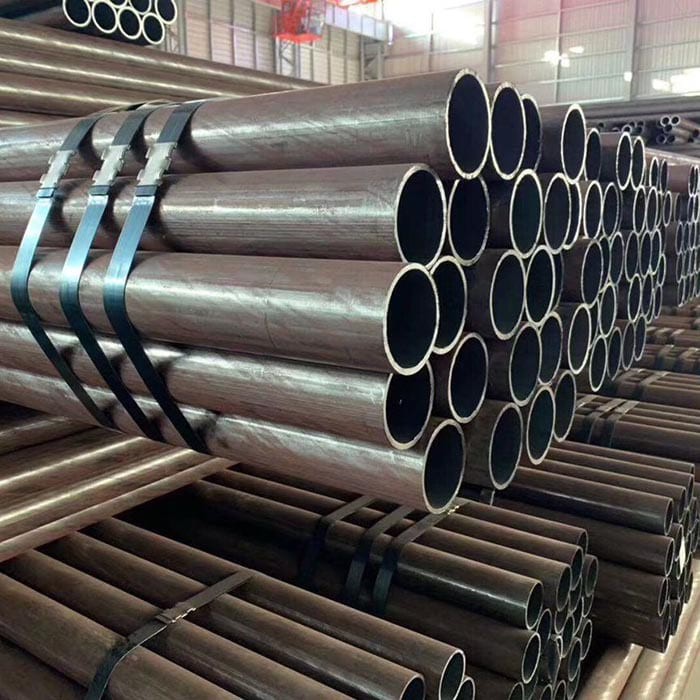
So, how do we measure the wear resistance of seamless line pipes? There are a few different methods that can be used. One common method is the abrasion test. In an abrasion test, a sample of the pipe is rubbed against an abrasive material, and the amount of material lost is measured. The less material that's lost, the better the wear resistance of the pipe.
Another method is the erosion test. In an erosion test, a sample of the pipe is exposed to a flowing fluid that contains abrasive particles, and the amount of material lost is measured. This test can simulate the conditions that the pipe might encounter in a real-world application.
In addition to these tests, there are also other factors that can affect the wear resistance of seamless line pipes. One of these factors is the material of the pipe. Different materials have different levels of wear resistance. For example, pipes made from high-strength steel are generally more wear-resistant than pipes made from low-strength steel.
The manufacturing process of the pipe can also affect its wear resistance. Seamless line pipes are made by a process called seamless tube rolling, which involves heating a solid billet of steel and then rolling it into a tube. This process can produce pipes with a more uniform structure and better mechanical properties, which can improve their wear resistance.
The surface finish of the pipe can also play a role in its wear resistance. A smooth surface finish can reduce the friction between the pipe and the abrasive particles, which can help to prevent wear. On the other hand, a rough surface finish can increase the friction and make the pipe more susceptible to wear.
As a supplier of Seamless Line Pipe, we take all of these factors into account when we're manufacturing our pipes. We use high-quality materials and advanced manufacturing processes to ensure that our pipes have excellent wear resistance. We also offer a range of surface treatments, such as coating and lining, to further improve the wear resistance of our pipes.
If you're in the market for seamless line pipes, it's important to choose a supplier that can provide you with pipes that have good wear resistance. You can look for suppliers that have a reputation for quality and that offer products that meet or exceed industry standards. You can also ask for samples of the pipes and have them tested to ensure that they have the wear resistance that you need.
In conclusion, wear resistance is an important property of seamless line pipes. It can affect the performance and lifespan of the pipes, especially in applications where they're exposed to abrasion, erosion, or corrosion. As a supplier of Seamless Line Pipe, we're committed to providing our customers with pipes that have excellent wear resistance. If you're interested in learning more about our products or have any questions about wear resistance, feel free to [reach out to us for a chat and discuss your specific needs]. We'd be happy to help you find the right pipes for your application.
If you want to explore more about our seamless products, you can check out these links: Seamless Steel Pipe Api 5l Pipe, Seamless Boiler Tube, and Seamless Line Pipe.
References
- ASTM International standards related to wear testing of metals.
- Industry reports on the performance of seamless line pipes in different environments.