

What is the sealing performance of seamless line pipe connections?
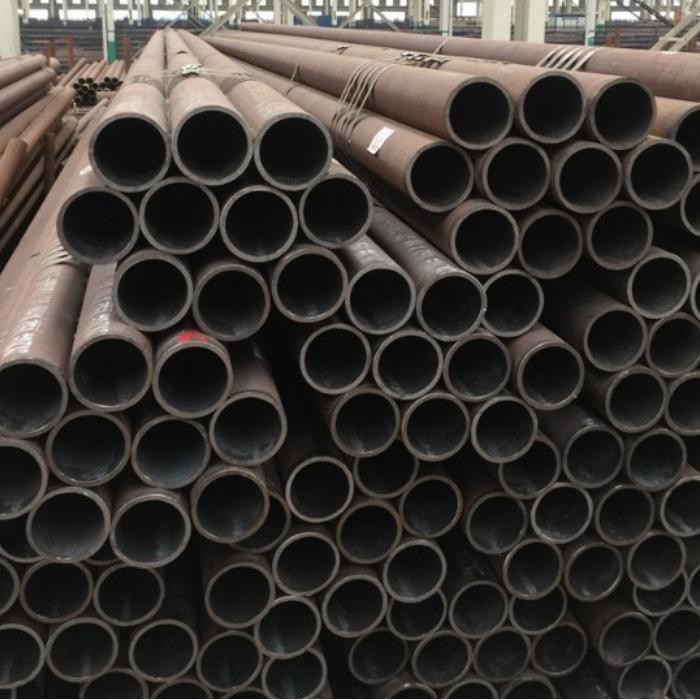
As a supplier of seamless line pipes, I often encounter inquiries about the sealing performance of seamless line pipe connections. Sealing performance is a critical aspect in the application of seamless line pipes, as it directly affects the safety, efficiency, and reliability of fluid transportation systems. In this blog, I will delve into the key factors influencing the sealing performance of seamless line pipe connections, the testing methods used to evaluate it, and the importance of maintaining high - quality sealing in various industries.
Key Factors Affecting Sealing Performance
Pipe Material and Quality
The material of the seamless line pipe is fundamental to its sealing performance. High - quality seamless pipes, such as ASTM A333 Gr6 Nace Mr0175 Seamless Pipe, are made from carefully selected steel alloys that offer excellent corrosion resistance, mechanical strength, and dimensional stability. These properties ensure that the pipe can withstand the pressure and environmental conditions without deforming or cracking, which are crucial for maintaining a good seal. For example, in corrosive environments like offshore oil and gas platforms, pipes need to resist the attack of seawater and acidic gases. If the pipe material is not up to the standard, corrosion can weaken the pipe wall and lead to leaks at the connection points.
Connection Type
There are several types of connections used for seamless line pipes, including threaded connections, welded connections, and flange connections. Each type has its own characteristics and requirements for achieving a good seal.
- Threaded Connections: Threaded connections are relatively simple and easy to install. However, the quality of the threads is of utmost importance. Precise threading with the correct pitch and profile ensures a tight fit between the male and female threads. A well - made threaded connection can create a reliable seal, but it may require the use of thread sealants to prevent leakage. For example, in low - pressure water supply systems, threaded connections are commonly used due to their simplicity and cost - effectiveness.
- Welded Connections: Welded connections provide a continuous and strong joint between pipes. The welding process must be carefully controlled to ensure the integrity of the weld. Proper pre - welding preparation, such as cleaning and beveling the pipe ends, and the use of appropriate welding techniques and materials are essential. A high - quality weld can form a hermetic seal, making it suitable for high - pressure and high - temperature applications, such as in power plants or refineries.
- Flange Connections: Flange connections use gaskets to create a seal between two flanges. The selection of the right gasket material is crucial. Gaskets can be made from various materials, such as rubber, graphite, or metal, depending on the application requirements. For instance, in chemical processing plants where aggressive chemicals are transported, a chemically resistant gasket material like PTFE (polytetrafluoroethylene) may be used. Additionally, proper bolt tightening is necessary to compress the gasket evenly and achieve a good seal.
Installation and Maintenance
Proper installation is vital for the sealing performance of seamless line pipe connections. During installation, pipes must be aligned correctly to avoid stress concentration at the connection points. If the pipes are misaligned, it can cause uneven pressure distribution on the seal, leading to leakage. Moreover, following the manufacturer's installation instructions regarding torque values for bolts in flange connections or the application of thread sealants in threaded connections is essential.
Regular maintenance is also necessary to ensure the long - term sealing performance of the pipe connections. Inspections should be carried out periodically to check for signs of corrosion, wear, or damage. Any issues found should be addressed promptly to prevent further deterioration of the seal.
Testing Methods for Sealing Performance
Pressure Testing
Pressure testing is one of the most common methods used to evaluate the sealing performance of seamless line pipe connections. There are two main types of pressure tests: hydrostatic testing and pneumatic testing.
- Hydrostatic Testing: In hydrostatic testing, the pipe system is filled with water and pressurized to a specified level. The pressure is maintained for a certain period, and any pressure drop is monitored. If there is a significant pressure drop, it indicates a leak in the system. Hydrostatic testing is widely used because water is a safe and easily available test medium. It can detect both small and large leaks and is suitable for a wide range of pipe sizes and applications.
- Pneumatic Testing: Pneumatic testing uses air or an inert gas instead of water. It is more sensitive to small leaks compared to hydrostatic testing. However, it is also more dangerous because compressed air or gas can cause a more violent explosion if there is a sudden rupture. Therefore, strict safety precautions must be taken during pneumatic testing.
Visual Inspection
Visual inspection is a simple but important method for detecting obvious signs of leakage or damage at the connection points. Inspectors look for signs such as wet spots, stains, or corrosion around the connections. They also check the integrity of the welds, the condition of the gaskets in flange connections, and the tightness of the threaded connections. Visual inspection can be carried out during installation, regular maintenance, or after an incident to quickly identify potential problems.
Importance of Sealing Performance in Different Industries
Oil and Gas Industry
In the oil and gas industry, the sealing performance of seamless line pipe connections is of utmost importance. Pipes are used to transport crude oil, natural gas, and refined products over long distances under high pressure. A leak in the pipeline can not only result in significant economic losses but also pose a serious threat to the environment and human safety. For example, a gas leak can cause an explosion or a fire, and an oil spill can contaminate the soil and water. Therefore, high - quality seamless line pipes and reliable connections are essential to ensure the safe and efficient operation of the oil and gas infrastructure. Seamless Pipe for Sour Service Nace is specifically designed for use in sour gas environments, where the presence of hydrogen sulfide requires pipes with high - performance sealing to prevent the release of toxic gases.

Power Generation Industry
In power generation plants, seamless line pipes are used to transport steam, water, and other fluids at high temperatures and pressures. A good seal at the pipe connections is necessary to prevent energy losses and ensure the efficient operation of the power generation system. For example, in a steam turbine system, a leak in the steam pipes can reduce the efficiency of the turbine and increase the energy consumption of the plant. Seamless Boiler Tube is commonly used in boilers to transfer heat from the combustion chamber to the water. The sealing performance of the tube connections is crucial for maintaining the proper operation of the boiler and preventing steam leaks.
Chemical Industry
The chemical industry deals with a wide range of corrosive and hazardous chemicals. Seamless line pipes and their connections must be able to withstand the aggressive nature of these chemicals. A leak in a chemical pipeline can cause environmental pollution, damage to equipment, and harm to workers. Therefore, selecting the right pipe material and connection type, along with ensuring a good seal, is essential for the safety and productivity of chemical plants.
Conclusion
The sealing performance of seamless line pipe connections is a complex issue that depends on multiple factors, including pipe material, connection type, installation, and maintenance. As a seamless line pipe supplier, I understand the importance of providing high - quality products and technical support to ensure that our customers can achieve reliable sealing in their applications. Whether it is in the oil and gas industry, power generation, or chemical processing, a good seal is essential for the safety, efficiency, and environmental protection of the fluid transportation systems.
If you are in need of high - quality seamless line pipes for your project, I invite you to contact us for more information and to discuss your specific requirements. We are committed to providing you with the best solutions and products to meet your needs.
References
- ASME B31.3 Process Piping Code
- API 5L Specification for Line Pipe
- ASTM Standards for Steel Pipes and Tubing