

Hey there! As a supplier of seamless line pipes, I've seen firsthand how crucial these pipes are in the energy industry. In this blog, I'm gonna break down the role of seamless line pipes and why they're so important.
What Are Seamless Line Pipes?
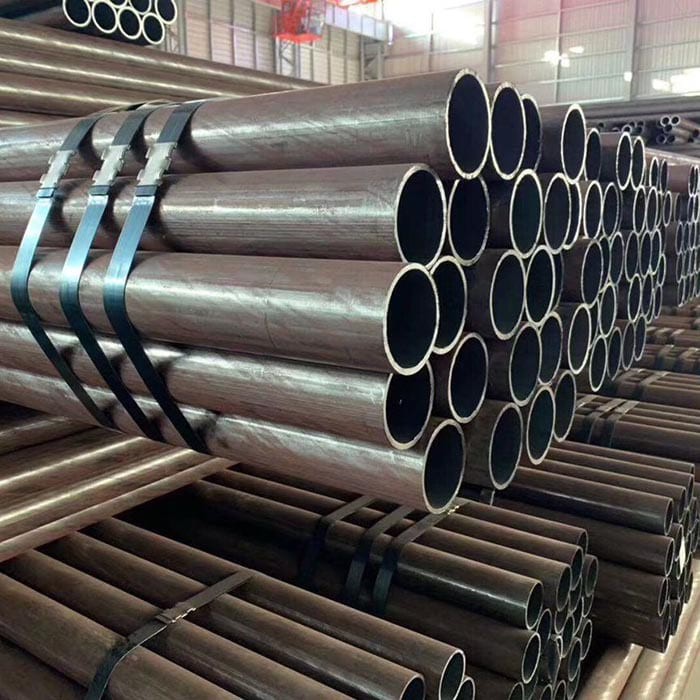
First off, let's talk about what seamless line pipes actually are. Unlike welded pipes, seamless line pipes are made from a solid piece of steel that's heated and then pierced to create a hollow tube. This process results in a pipe with no seams, which gives it some major advantages.
Seamless pipes are known for their high strength and durability. They can withstand high pressures and extreme temperatures, making them ideal for transporting various fluids and gases in the energy sector. And because there are no seams, there's less risk of leakage, which is a huge deal when you're dealing with valuable resources like oil and gas.
The Role in Oil and Gas Exploration
One of the main areas where seamless line pipes play a vital role is in oil and gas exploration. When companies are drilling for oil and gas, they need pipes that can handle the harsh conditions underground. Seamless line pipes are used to transport the extracted oil and gas from the wellhead to the surface.
These pipes have to withstand high pressures, as the oil and gas are often under a lot of force deep underground. The seamless design ensures that the pipes can handle these pressures without bursting or leaking. Plus, they're resistant to corrosion, which is important since the fluids being transported can be corrosive.
For example, in offshore drilling, seamless line pipes are used to connect the subsea wells to the production platforms. These pipes have to be able to withstand the pressure of the deep - sea environment and the corrosive effects of saltwater. Seamless pipes are up to the task, providing a reliable and safe way to transport the oil and gas.
Transportation of Energy Resources
Once the oil and gas are extracted, they need to be transported to refineries and other processing facilities. Seamless line pipes are the go - to choice for long - distance transportation. They form the backbone of the pipeline networks that crisscross the country and even the world.
The seamless construction of these pipes allows for a smooth flow of the oil and gas. There are no interruptions or weak points that could cause blockages or leaks. This means that the energy resources can be transported efficiently and safely over long distances.
For instance, the Trans - Alaska Pipeline System uses seamless line pipes to transport crude oil from the North Slope of Alaska to the port of Valdez. This pipeline stretches over 800 miles and is exposed to extreme cold and challenging terrain. Seamless pipes are able to handle these conditions, ensuring a continuous supply of oil.
Power Generation
Seamless line pipes also play an important role in power generation. In thermal power plants, these pipes are used to transport steam and water. The high - pressure steam is used to drive turbines, which generate electricity.
The seamless design of the pipes is essential for maintaining the high pressure and temperature of the steam. Any leakage or weakness in the pipes could lead to a loss of efficiency and even pose a safety hazard. Seamless line pipes ensure that the power generation process runs smoothly and safely.
In addition, in nuclear power plants, seamless pipes are used to transport coolant. The coolant is crucial for removing heat from the nuclear reactor. Seamless pipes are able to withstand the high temperatures and radiation in the nuclear environment, providing a reliable means of heat transfer.
Advantages of Seamless Line Pipes
There are several advantages that make seamless line pipes the preferred choice in the energy industry.
Strength and Durability: As I mentioned earlier, seamless pipes are stronger than welded pipes. They can withstand higher pressures and mechanical stresses, which is essential in the energy industry where the conditions are often extreme.
Corrosion Resistance: Many of the fluids and gases transported in the energy sector are corrosive. Seamless line pipes are often made from materials that are resistant to corrosion, such as stainless steel. This helps to extend the lifespan of the pipes and reduce maintenance costs.
Smooth Interior Surface: The seamless construction results in a smooth interior surface. This reduces friction, which means that the fluids and gases can flow more easily through the pipes. It also helps to prevent the buildup of deposits, which could otherwise reduce the efficiency of the pipeline.
Our Seamless Line Pipe Offerings
As a supplier, we offer a wide range of seamless line pipes. We have Seamless Steel Pipe Api 5l Pipe, which meets the API 5L standard. This standard ensures that the pipes are suitable for use in the oil and gas industry.
We also have Seamless Pipe in China. Our pipes are made in China using high - quality materials and advanced manufacturing processes. They are available in various sizes and specifications to meet the different needs of our customers.
And for those in the oil and gas exploration field, we offer Seamless Casing Pipe. These pipes are used to support the wellbore and prevent it from collapsing.
Conclusion
In conclusion, seamless line pipes are an essential part of the energy industry. They play a crucial role in oil and gas exploration, transportation of energy resources, and power generation. Their strength, durability, and corrosion resistance make them the ideal choice for the harsh conditions in the energy sector.

If you're in the energy industry and looking for high - quality seamless line pipes, we'd love to talk to you. Whether you need pipes for a new project or to replace existing ones, we can provide the right solution for you. Reach out to us to start a discussion about your seamless line pipe needs.
References
- "Handbook of Pipeline Engineering" by Mahmood M. Khan
- "The Oil and Gas Industry in Energy Transition" by International Energy Agency