

As a leading supplier of lsaw steel pipes, I've encountered numerous inquiries regarding the heat - resistance of these pipes. In this blog, I'll delve deep into the topic, exploring the factors that influence the heat - resistance of lsaw steel pipes, their performance under high - temperature conditions, and their applications in heat - demanding industries.
Understanding LSAW Steel Pipes
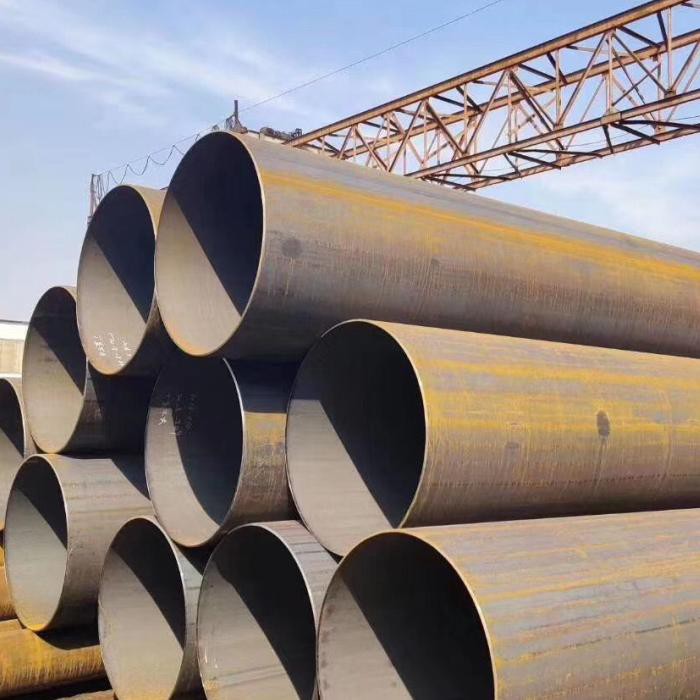
Longitudinally Submerged Arc Welded (LSAW) steel pipes are produced by bending a steel plate into a cylindrical shape and then welding the seam using a submerged arc welding process. This method results in pipes with high strength and excellent weld quality. LSAW steel pipes are widely used in various industries, including oil and gas, construction, and infrastructure, due to their reliability and durability.
Factors Affecting Heat - Resistance
- Steel Composition: The chemical composition of the steel used in LSAW pipes plays a crucial role in determining their heat - resistance. Alloys such as chromium, nickel, and molybdenum are often added to enhance the heat - resistant properties of the steel. Chromium forms a protective oxide layer on the surface of the steel, preventing further oxidation at high temperatures. Nickel improves the toughness and ductility of the steel under high - temperature conditions. Molybdenum enhances the creep resistance, which is the ability of the steel to resist deformation over time at high temperatures.
- Microstructure: The microstructure of the steel also affects its heat - resistance. Fine - grained microstructures generally have better heat - resistant properties than coarse - grained ones. Heat treatment processes such as annealing, normalizing, and quenching and tempering can be used to control the microstructure of the steel and improve its heat - resistance.
- Weld Quality: Since LSAW pipes are welded products, the quality of the weld has a significant impact on their heat - resistance. A well - welded seam ensures that the pipe maintains its integrity at high temperatures. Defects in the weld, such as porosity, cracks, or lack of fusion, can reduce the heat - resistance of the pipe and lead to premature failure.
Heat - Resistance Performance
- Oxidation Resistance: At high temperatures, steel is prone to oxidation, which can lead to the formation of rust and scale on the surface of the pipe. LSAW steel pipes with good heat - resistance have excellent oxidation resistance. The protective oxide layer formed on the surface of the pipe prevents oxygen from reaching the underlying steel, slowing down the oxidation process. This allows the pipes to maintain their structural integrity and performance in high - temperature environments.
- Creep Resistance: Creep is a time - dependent deformation that occurs in materials under constant load at high temperatures. LSAW steel pipes used in high - temperature applications need to have good creep resistance to prevent deformation over time. The addition of alloying elements and proper heat treatment can improve the creep resistance of the pipes, ensuring that they can withstand the long - term effects of high - temperature and high - pressure conditions.
- Thermal Expansion: When exposed to high temperatures, steel expands. LSAW steel pipes need to be able to accommodate this thermal expansion without causing excessive stress or deformation. The coefficient of thermal expansion of the steel should be considered when designing and installing the pipes in high - temperature systems. Pipes with a lower coefficient of thermal expansion are less likely to experience problems due to thermal expansion.
Applications in Heat - Demanding Industries
- Oil and Gas Industry: In the oil and gas industry, LSAW steel pipes are used in high - temperature applications such as oil and gas pipelines, refineries, and petrochemical plants. The pipes need to withstand the high temperatures and pressures associated with the transportation and processing of oil and gas. For example, LSAW Api 5l Steel Pipe is commonly used in oil and gas pipelines, where it needs to resist the heat generated during the extraction, transportation, and refining processes.
- Power Generation: In power plants, LSAW steel pipes are used in boilers, steam turbines, and other high - temperature components. The pipes need to transfer heat efficiently and withstand the high temperatures and pressures of the steam. Structural steel pipes, like Structural Steel Pipe, are often used in the construction of power plant structures, where they need to maintain their strength and stability at high temperatures.
- Construction Industry: In the construction industry, LSAW steel pipes are used in high - temperature applications such as heating systems and industrial furnaces. The pipes need to be able to withstand the heat generated by the heating systems and maintain their structural integrity. ASTM A252 Steel Pipe Casing is sometimes used in construction projects where heat - resistance is required.
Conclusion
The heat - resistance of LSAW steel pipes is a complex property that is influenced by several factors, including steel composition, microstructure, and weld quality. These pipes offer excellent heat - resistance performance, such as oxidation resistance, creep resistance, and the ability to accommodate thermal expansion. Their applications in heat - demanding industries make them an essential component in many high - temperature systems.
If you are in need of high - quality LSAW steel pipes with excellent heat - resistance for your project, we are here to help. Our team of experts can provide you with the right pipes and technical support to ensure the success of your project. Contact us today to start a procurement discussion and find the best solution for your needs.

References
- ASM Handbook Volume 13C: Corrosion: Environments and Industries. ASM International.
- Welding Metallurgy and Weldability of Stainless Steels. John C. Lippold and David J. Kotecki.
- Steel Structures: Design and Behavior. Salmon, Johnson, Malhas, and Galambos.