

Hey there! As an ERW pipe supplier, I often get asked about the galvanizing process for ERW pipes. So, I thought I'd take a moment to break it down for you in simple terms.
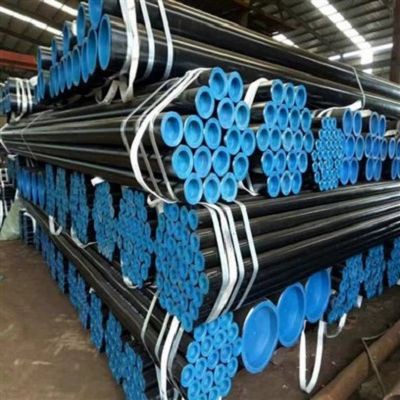
First off, let's talk about what ERW pipes are. ERW stands for Electric Resistance Welded. These pipes are made by rolling a flat steel strip into a tubular shape and then welding the edges together using an electric current. They're widely used in various industries, from construction to oil and gas, because they're cost - effective and have good mechanical properties.
Now, onto the galvanizing process. Galvanizing is a method of protecting steel from corrosion by applying a layer of zinc to its surface. This process not only extends the lifespan of the pipes but also makes them more durable, especially in harsh environments.
The Hot - Dip Galvanizing Process
The most common method of galvanizing ERW pipes is the hot - dip galvanizing process. Here's how it works step by step:
Surface Preparation
Before the pipes can be galvanized, they need to be thoroughly cleaned. This is super important because any dirt, grease, or rust on the surface can prevent the zinc from bonding properly. The first step in surface preparation is degreasing. We usually use a chemical solution to remove any oil or grease that might be on the pipes. After degreasing, the pipes are pickled. Pickling involves immersing the pipes in an acid bath, typically hydrochloric acid. This acid removes any rust or scale from the surface of the pipes, leaving a clean and smooth surface for the zinc to adhere to.
Fluxing
Once the pipes are clean, they are dipped into a flux solution. The flux has a couple of important functions. First, it helps to prevent the re - oxidation of the clean steel surface while the pipes are waiting to be galvanized. Second, it promotes the wetting of the steel surface by the molten zinc, which is crucial for a good bond between the zinc and the steel.
Galvanizing
After fluxing, the pipes are dipped into a bath of molten zinc, which is typically maintained at a temperature of around 450°C (842°F). When the pipes are immersed in the molten zinc, a chemical reaction occurs between the steel and the zinc. This reaction forms a series of zinc - iron alloy layers on the surface of the pipes. The thickness of the zinc coating depends on several factors, including the immersion time, the temperature of the zinc bath, and the composition of the steel.
Cooling
Once the pipes have been in the zinc bath for the appropriate amount of time, they are removed and allowed to cool. As the pipes cool, the zinc coating solidifies, forming a hard and protective layer on the surface of the pipes.
Advantages of Galvanized ERW Pipes
There are several reasons why galvanized ERW pipes are so popular.
Corrosion Resistance
The main advantage of galvanized pipes is their excellent corrosion resistance. The zinc coating acts as a sacrificial anode, which means that it corrodes preferentially to the steel. Even if the coating is scratched or damaged in some way, the zinc around the damaged area will continue to protect the steel from rusting.
Durability
Galvanized ERW pipes are extremely durable. They can withstand harsh weather conditions, including extreme temperatures, humidity, and exposure to chemicals. This makes them ideal for use in outdoor applications, such as ERW Line Pipe in oil and gas pipelines or ERW Pipe Scaffolding in construction projects.
Low Maintenance
Another great thing about galvanized pipes is that they require very little maintenance. Unlike non - galvanized pipes, which may need to be painted or coated regularly to prevent rusting, galvanized pipes can last for decades with minimal upkeep.
Applications of Galvanized ERW Pipes
Galvanized ERW pipes are used in a wide range of applications.
Construction
In the construction industry, galvanized ERW pipes are commonly used for scaffolding, handrails, and fencing. Their corrosion resistance and durability make them a popular choice for these applications, as they can withstand the elements and the wear and tear of construction sites.
Water Supply
Galvanized pipes are also used in water supply systems. They are resistant to corrosion from water, which helps to ensure the quality of the water supply and prevent the build - up of rust and other contaminants in the pipes.
Agricultural
In the agricultural sector, galvanized ERW pipes are used for irrigation systems, livestock fencing, and greenhouse structures. The corrosion resistance of the pipes is particularly important in these applications, as they are often exposed to water and fertilizers, which can be corrosive.
Quality Control in Galvanizing
As an ERW pipe supplier, we take quality control very seriously. We have strict quality control measures in place to ensure that our galvanized pipes meet the highest standards.
Coating Thickness
One of the key quality control parameters is the coating thickness. We use specialized equipment to measure the thickness of the zinc coating on the pipes. The coating thickness must meet the requirements of the relevant standards, such as ASTM A123 for hot - dip galvanized steel products.

Adhesion
We also test the adhesion of the zinc coating to the steel. This is done by subjecting the pipes to a bending test or a hammer test. If the zinc coating peels or flakes off during these tests, it indicates that there is a problem with the adhesion, and the pipes may need to be re - galvanized.
Surface Finish
The surface finish of the galvanized pipes is also important. We check the pipes for any surface defects, such as blisters, nodules, or uneven coating thickness. Pipes with surface defects may not be suitable for certain applications and may need to be rejected or re - worked.
Conclusion
In conclusion, the galvanizing process is a crucial step in the production of high - quality ERW pipes. It provides the pipes with excellent corrosion resistance, durability, and low maintenance requirements. Whether you're in the construction industry, the oil and gas sector, or any other industry that uses pipes, galvanized ERW pipes are a great choice.
If you're interested in purchasing galvanized ERW pipes, such as ERW Steel Pipe ASTM A53 Pipe, don't hesitate to reach out for a quote. We're always happy to discuss your specific requirements and provide you with the best solutions for your projects. Contact us today to start the conversation about your pipe needs!
References
- ASTM International. (20XX). ASTM A123 - Standard Specification for Zinc (Hot - Dip Galvanized) Coatings on Iron and Steel Products.
- American Galvanizers Association. (20XX). The Galvanizing Book: A Practical Guide to Hot - Dip Galvanizing.