

When it comes to sourcing square steel tubes for various industrial, construction, or DIY projects, understanding the difference between hot-rolled and cold-rolled square steel tubes is crucial. As a seasoned supplier of square steel tubes, I've witnessed firsthand the impact of these manufacturing processes on the properties and applications of the final products. In this blog post, I'll delve into the distinctions between hot-rolled and cold-rolled square steel tubes, helping you make an informed decision for your next project.
Manufacturing Processes
Hot-Rolled Square Steel Tubes
Hot rolling is a manufacturing process that involves heating a steel billet or slab to a very high temperature, typically above the recrystallization temperature of the steel, which is around 900°C (1650°F). Once the steel reaches the appropriate temperature, it is passed through a series of rolling mills to reduce its thickness and shape it into the desired square tube profile. The high temperature during the rolling process allows the steel to be easily deformed, making it suitable for large-scale production.
One of the key advantages of hot rolling is its efficiency. The process can produce large quantities of square steel tubes quickly and cost-effectively. Additionally, the high temperature during rolling helps to eliminate internal stresses in the steel, resulting in a more uniform grain structure and improved mechanical properties.
Cold-Rolled Square Steel Tubes
Cold rolling, on the other hand, is performed at room temperature or slightly above. Instead of starting with a heated billet, cold rolling begins with a hot-rolled square steel tube that has been pre-processed to a near-final size. The tube is then passed through a series of cold rolling mills, where it is further reduced in thickness and shaped to achieve the desired dimensions and surface finish.
Cold rolling offers several advantages over hot rolling. One of the primary benefits is the ability to produce square steel tubes with tighter tolerances and a smoother surface finish. The cold rolling process also increases the strength and hardness of the steel, making it suitable for applications that require high strength and precision.
Physical Properties
Dimensions and Tolerances
Hot-rolled square steel tubes typically have looser tolerances compared to cold-rolled tubes. This is because the high temperature during the hot rolling process can cause the steel to expand and contract, resulting in slight variations in dimensions. Cold-rolled square steel tubes, on the other hand, are produced with much tighter tolerances, making them ideal for applications that require precise measurements.
Surface Finish
The surface finish of hot-rolled and cold-rolled square steel tubes also differs significantly. Hot-rolled tubes have a rough, scale-covered surface due to the oxidation that occurs during the high-temperature rolling process. This scale can be removed through additional processing steps, such as pickling or shot blasting, but it still leaves a slightly rough surface. Cold-rolled tubes, on the other hand, have a smooth, shiny surface finish due to the cold working process, which compresses the steel and eliminates surface imperfections.
Strength and Hardness
Cold-rolled square steel tubes generally have higher strength and hardness compared to hot-rolled tubes. The cold rolling process work-hardens the steel, increasing its yield strength and ultimate tensile strength. This makes cold-rolled tubes suitable for applications that require high strength and resistance to deformation, such as structural components and machinery parts.
Applications
Hot-Rolled Square Steel Tubes
Hot-rolled square steel tubes are commonly used in applications where tight tolerances and a smooth surface finish are not critical. Some of the typical applications of hot-rolled tubes include:
- Structural Construction: Hot-rolled tubes are widely used in the construction industry for building frames, bridges, and other structural components. Their high strength and relatively low cost make them an ideal choice for large-scale construction projects.
- Agricultural Equipment: Hot-rolled tubes are also used in the manufacturing of agricultural equipment, such as tractors, combines, and irrigation systems. Their durability and resistance to corrosion make them suitable for use in harsh outdoor environments.
- General Fabrication: Hot-rolled tubes are often used in general fabrication applications, such as the production of furniture, fencing, and handrails. Their versatility and ease of fabrication make them a popular choice for a wide range of projects.
Cold-Rolled Square Steel Tubes
Cold-rolled square steel tubes are typically used in applications that require high precision, tight tolerances, and a smooth surface finish. Some of the common applications of cold-rolled tubes include:
- Automotive Industry: Cold-rolled tubes are used in the automotive industry for manufacturing various components, such as chassis frames, suspension systems, and exhaust pipes. Their high strength and precision make them suitable for use in critical automotive applications.
- Electronics and Appliances: Cold-rolled tubes are also used in the electronics and appliance industry for manufacturing components such as enclosures, frames, and brackets. Their smooth surface finish and tight tolerances make them ideal for use in high-precision applications.
- Precision Machinery: Cold-rolled tubes are commonly used in the manufacturing of precision machinery, such as machine tools, robotics, and aerospace components. Their high strength, hardness, and precision make them suitable for use in applications that require high performance and reliability.
Cost Considerations
In general, hot-rolled square steel tubes are less expensive than cold-rolled tubes. This is because the hot rolling process is more efficient and requires less energy compared to cold rolling. Additionally, the looser tolerances and rougher surface finish of hot-rolled tubes make them less expensive to produce.
However, the cost of square steel tubes can vary depending on several factors, such as the size, thickness, and quantity of the tubes, as well as the specific requirements of the application. It's important to consider the overall cost-effectiveness of the tubes, taking into account factors such as performance, durability, and ease of fabrication.
Conclusion
In conclusion, the choice between hot-rolled and cold-rolled square steel tubes depends on the specific requirements of your project. Hot-rolled tubes are a cost-effective option for applications that do not require tight tolerances or a smooth surface finish, while cold-rolled tubes are ideal for applications that require high precision, strength, and a smooth surface finish.
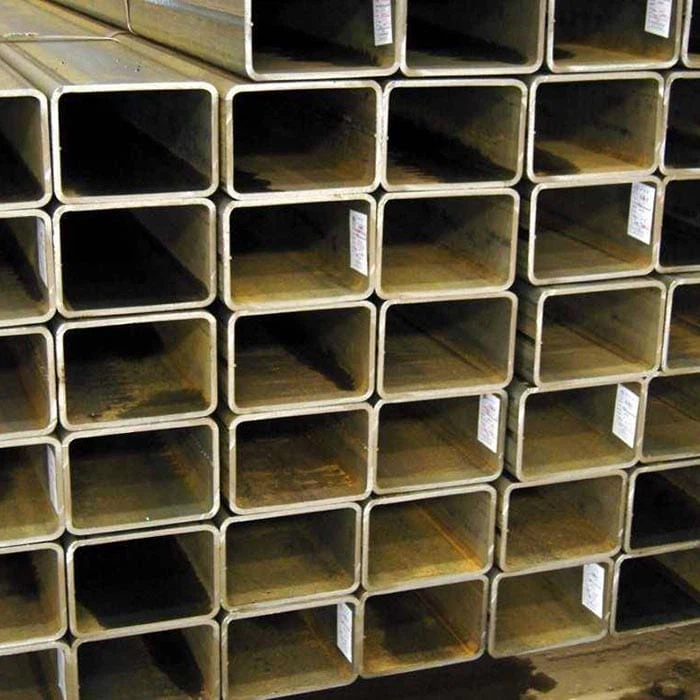

As a supplier of Square Steel Tube, Rectangular Steel Tube, and 2x2 Square Tubing 20 Ft, I can provide you with high-quality products that meet your specific needs. Whether you're working on a large-scale construction project or a small DIY project, I can help you select the right type of square steel tube for your application.
If you have any questions or need further information about hot-rolled and cold-rolled square steel tubes, please don't hesitate to contact me. I'm here to assist you in making the best decision for your project and to ensure that you receive the highest quality products at competitive prices.
References
- "Steel Rolling Processes: Hot Rolling vs. Cold Rolling." The Fabricator, https://www.thefabricator.com/thefabricator/article/metalsmaterials/steel-rolling-processes-hot-rolling-vs-cold-rolling.
- "Hot-Rolled vs. Cold-Rolled Steel: What's the Difference?" ThoughtCo, https://www.thoughtco.com/hot-rolled-vs-cold-rolled-steel-2340293.
- "Square Steel Tubing: A Comprehensive Guide." Engineering Choice, https://www.engineeringchoice.com/square-steel-tubing/.