

Hey there! As a supplier of steel pipe piles, I often get asked about the corrosion resistance of these essential construction materials. In this blog post, I'm gonna break down what corrosion resistance means for steel pipe piles, why it's super important, and how we can make sure our products hold up well over time.
What is Corrosion and Why Does it Matter?
First things first, let's talk about corrosion. Corrosion is basically the process where metals, like steel, react with their environment and start to break down. This can happen when steel is exposed to things like moisture, oxygen, and certain chemicals. For steel pipe piles, which are often used in marine, coastal, or underground applications, corrosion can be a real headache.
When steel pipe piles corrode, it can weaken their structural integrity. This means they might not be able to support the loads they're designed for, which can lead to all sorts of problems, like foundation failures or structural damage. And let's face it, no one wants that! So, having good corrosion resistance is crucial for the long - term performance and safety of steel pipe piles.
Factors Affecting the Corrosion Resistance of Steel Pipe Piles
There are several factors that can affect how well steel pipe piles resist corrosion. Let's take a closer look at some of the most important ones.
1. The Composition of the Steel
The type of steel used in the pipe piles plays a big role in their corrosion resistance. Some steels are naturally more resistant to corrosion than others. For example, stainless steel contains chromium, which forms a protective oxide layer on the surface of the steel. This layer helps prevent further corrosion by acting as a barrier between the steel and the environment.
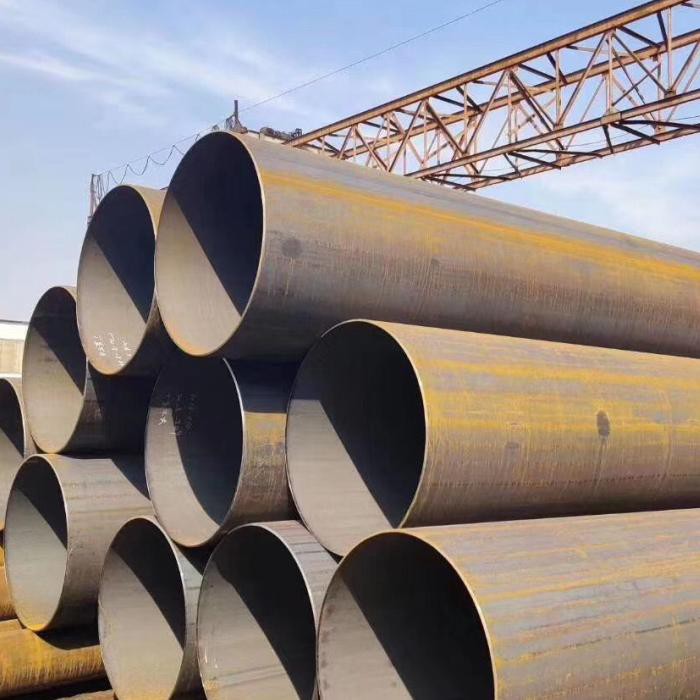
We offer different types of steel pipe piles, like LSAW Api 5l Steel Pipe. This type of steel is designed to meet specific industry standards and has good corrosion resistance properties, making it suitable for a variety of applications.
2. The Environment
The environment where the steel pipe piles are installed is another major factor. If the piles are in a marine environment, they'll be exposed to saltwater, which is highly corrosive. Saltwater contains chloride ions, which can break down the protective oxide layer on the steel surface and speed up the corrosion process.
On the other hand, if the piles are underground, they might be exposed to soil with different pH levels and moisture content. Acidic or alkaline soils can also cause corrosion. For example, in areas with high - sulfur content in the soil, the steel can react with the sulfur to form iron sulfides, which can lead to corrosion.
3. Coating and Surface Treatment
Applying a coating or surface treatment to the steel pipe piles can significantly improve their corrosion resistance. There are different types of coatings available, such as epoxy coatings, zinc coatings (galvanizing), and fusion - bonded epoxy (FBE) coatings.
Epoxy coatings form a hard, protective layer on the surface of the steel, preventing moisture and oxygen from reaching the steel. Galvanizing involves coating the steel with a layer of zinc, which acts as a sacrificial anode. This means that the zinc will corrode first, protecting the underlying steel.
We also provide ASTM A252 Steel Pipe Casing and ASTM A671 Pipe, which can be treated with various coatings depending on the specific requirements of the project.
Testing the Corrosion Resistance of Steel Pipe Piles
Before we supply our steel pipe piles to customers, we conduct a series of tests to ensure they have good corrosion resistance. One common test is the salt spray test. In this test, the steel samples are placed in a chamber and exposed to a salt - fog environment for a certain period of time. After the test, the samples are examined for signs of corrosion, such as rust or pitting.
Another test is the electrochemical impedance spectroscopy (EIS) test. This test measures the electrical resistance of the steel surface and can provide information about the effectiveness of the protective coating or the corrosion rate of the steel.
Maintaining the Corrosion Resistance of Steel Pipe Piles
Even though our steel pipe piles are designed to have good corrosion resistance, proper maintenance is still important to ensure their long - term performance. Here are some tips on how to maintain the corrosion resistance of steel pipe piles:
- Regular Inspections: Periodically inspect the steel pipe piles for any signs of corrosion, such as rust spots or coating damage. Early detection can help prevent further corrosion and allow for timely repairs.
- Repairing Coating Damage: If the coating on the steel pipe piles is damaged, it should be repaired as soon as possible. This can prevent moisture and oxygen from reaching the steel and causing corrosion.
- Monitoring the Environment: Keep an eye on the environment where the steel pipe piles are installed. If there are any changes in the environmental conditions, such as an increase in saltwater exposure or a change in soil pH, take appropriate measures to protect the piles.
Conclusion
In conclusion, the corrosion resistance of steel pipe piles is a critical factor in their long - term performance and safety. By choosing the right type of steel, applying appropriate coatings, and conducting regular maintenance, we can ensure that our steel pipe piles can withstand the harsh environments they're often exposed to.

If you're in the market for high - quality steel pipe piles with excellent corrosion resistance, we'd love to hear from you. Whether you're working on a marine project, a coastal development, or an underground construction, we have the products and expertise to meet your needs. Get in touch with us to discuss your requirements and start the procurement process.
References
- Jones, D. A. (1992). Principles and Prevention of Corrosion. Macmillan Publishing Company.
- Uhlig, H. H., & Revie, R. W. (1985). Corrosion and Corrosion Control: An Introduction to Corrosion Science and Engineering. John Wiley & Sons.