

Hey there! As a supplier of rectangular pipes, I often get asked about the air - tightness of these products. So, let's dive right in and explore what air - tightness of rectangular pipes really means.
What is Air - tightness?
Air - tightness refers to the ability of a rectangular pipe to prevent the leakage of air under specific conditions. When we talk about air - tight pipes, we're essentially looking at a pipe that can maintain a certain pressure difference between the inside and the outside without significant air seepage.
Think of it like a sealed box. If you put some air inside a well - sealed box, it should stay there for a long time. The same principle applies to rectangular pipes. In many industrial applications, air - tightness is crucial. For example, in ventilation systems, an air - tight rectangular pipe ensures that the air is delivered precisely where it's needed, without any loss along the way. This not only improves the efficiency of the system but also helps in maintaining a consistent environment.
Factors Affecting Air - tightness of Rectangular Pipes
There are several factors that can influence the air - tightness of rectangular pipes.
1. Material Quality
The material from which the rectangular pipe is made plays a huge role. High - quality materials, like Square Steel Tube, generally have fewer internal pores and better structural integrity. This means they are less likely to allow air to pass through. Steel pipes, for instance, can be treated and manufactured to have excellent air - tight properties. On the other hand, lower - quality materials might have small cracks or porosity, which can lead to air leakage.
2. Manufacturing Process
How the rectangular pipe is manufactured also matters a great deal. A well - made pipe with precise welding or seamless construction is more likely to be air - tight. Seamless Rectangular Steel Tube is often preferred in applications where air - tightness is critical because there are no seams where air can potentially escape. In contrast, pipes with poorly welded seams may have gaps or weak points that allow air to seep out.
3. Joint Design
The joints between rectangular pipes are another key factor. If the joints are not properly designed or installed, they can become major sources of air leakage. For example, if the gaskets used in the joints are of low quality or not installed correctly, air can easily escape through the gaps. A well - designed joint with high - quality gaskets and proper sealing techniques can significantly improve the air - tightness of the entire piping system.
Measuring Air - tightness
Measuring the air - tightness of rectangular pipes is an important step in ensuring their performance. There are a few common methods used to measure this property.
1. Pressure Decay Test
In a pressure decay test, the pipe is first pressurized to a specific level. Then, the pressure is monitored over a period of time. If the pressure drops rapidly, it indicates that there is significant air leakage. A slow or negligible pressure drop means the pipe has good air - tightness.
2. Flow Rate Measurement
Another method is to measure the flow rate of air through the pipe. By introducing a known amount of air into the pipe and measuring how much actually comes out at the other end, we can calculate the amount of air that has leaked. If the difference between the input and output flow rates is small, the pipe is considered air - tight.
Applications Requiring High Air - tightness
There are many applications where high air - tightness of rectangular pipes is essential.
1. HVAC Systems
In heating, ventilation, and air - conditioning (HVAC) systems, air - tight rectangular pipes are crucial. They ensure that the conditioned air is delivered efficiently to different parts of a building. If the pipes are not air - tight, a significant amount of energy can be wasted as the air leaks out before reaching its destination.
2. Cleanrooms
Cleanrooms, which are used in industries like electronics manufacturing and pharmaceuticals, require a very controlled environment. Air - tight rectangular pipes are used in the ventilation systems of cleanrooms to prevent the ingress of contaminants from the outside air. This helps in maintaining the high level of cleanliness required in these facilities.
3. Pneumatic Conveying Systems
Pneumatic conveying systems use air to transport materials through pipes. For these systems to work effectively, the rectangular pipes need to be air - tight. Any air leakage can disrupt the flow of materials and reduce the efficiency of the system.
Our Offerings as a Rectangular Pipe Supplier
As a supplier of rectangular pipes, we understand the importance of air - tightness. We offer a wide range of Rectangular Steel Tube and 2x2 Square Tubing 20 Ft products that are manufactured to meet high air - tightness standards.
We use high - quality materials and advanced manufacturing processes to ensure that our pipes have excellent air - tight properties. Our team of experts also pays close attention to the joint design and installation to further enhance the air - tightness of the piping systems we provide.
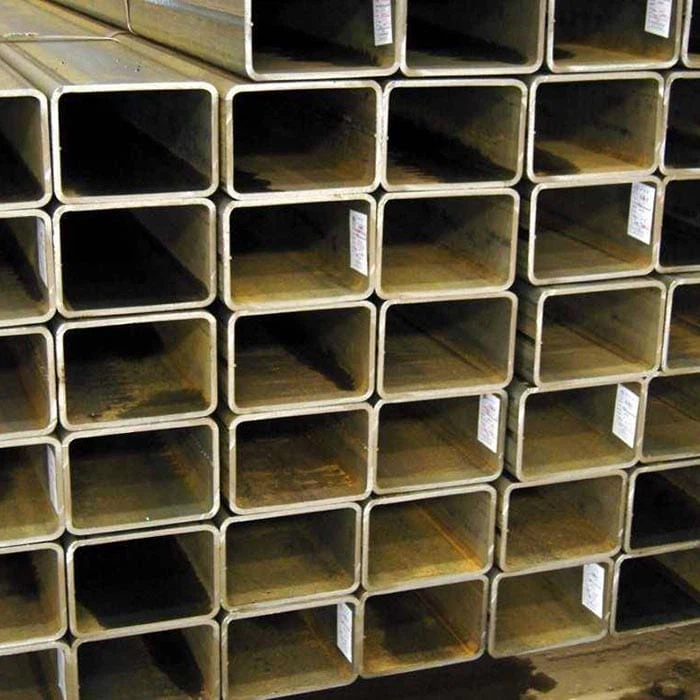

Whether you're working on an HVAC project, a cleanroom installation, or a pneumatic conveying system, we have the right rectangular pipes for you. Our products are not only air - tight but also durable and long - lasting, which means you can rely on them for your projects.
Conclusion
In conclusion, air - tightness is a crucial property of rectangular pipes, especially in many industrial applications. Factors like material quality, manufacturing process, and joint design can all affect the air - tightness of these pipes. Measuring air - tightness through methods like pressure decay tests and flow rate measurements helps in ensuring the performance of the pipes.
As a rectangular pipe supplier, we are committed to providing high - quality products with excellent air - tightness. If you're in need of rectangular pipes for your project, don't hesitate to reach out to us. We're here to help you find the perfect solution for your air - tightness requirements.
References
- "Handbook of Piping Design" by Nayyar, V. K.
- "HVAC Systems Design Handbook" by McQuiston, F. C., Parker, J. D., & Spitler, J. D.