

Hey there! I'm a supplier of Square Steel Tube, and I've been in this business for quite a while. One of the most common questions I get from customers is about how to improve the weldability of square steel tubes. So, I thought I'd share some tips and tricks that I've learned over the years.
Understanding Weldability
Before we dive into the ways to improve weldability, let's first understand what weldability means. Weldability refers to the ability of a material to be welded under specific conditions to form a sound joint. For square steel tubes, good weldability means that the tube can be welded easily without defects such as cracks, porosity, or lack of fusion.

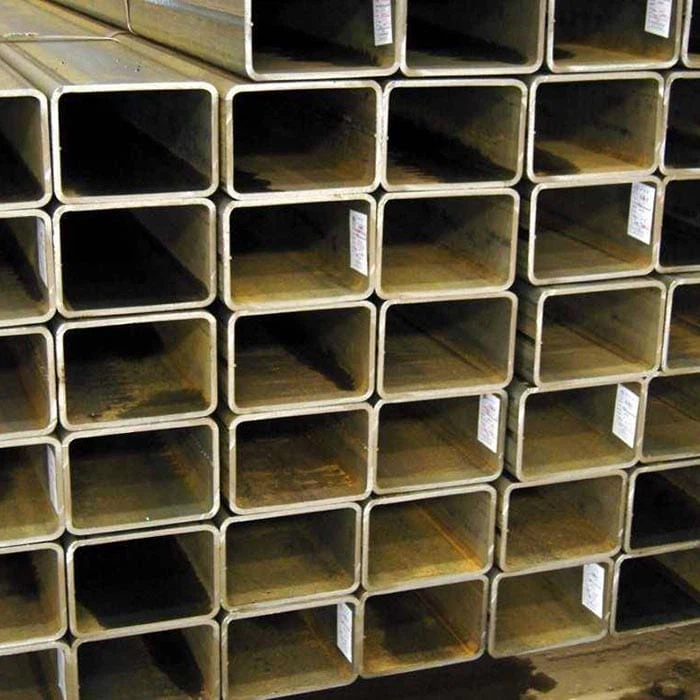
Several factors can affect the weldability of square steel tubes, including the chemical composition of the steel, the surface condition of the tube, and the welding process used.
Chemical Composition
The chemical composition of the steel is one of the most important factors affecting weldability. Different elements in the steel can have different effects on the welding process.
- Carbon (C): Carbon is a key element in steel. A higher carbon content generally increases the strength of the steel but can also reduce its weldability. High - carbon steels are more prone to cracking during welding. For square steel tubes, it's often better to use steels with a lower carbon content, typically less than 0.25%.
- Manganese (Mn): Manganese helps to improve the strength and toughness of the steel. It also has a beneficial effect on weldability by reducing the formation of sulfur - related defects. A proper amount of manganese, usually around 0.6 - 1.5%, can enhance the weldability of square steel tubes.
- Sulfur (S) and Phosphorus (P): These are considered impurities in steel. High levels of sulfur and phosphorus can lead to hot cracking and embrittlement in the weld. So, it's important to keep their content as low as possible.
As a supplier, I always make sure that the square steel tubes I provide have an appropriate chemical composition to ensure good weldability.
Surface Preparation
The surface condition of the square steel tube plays a crucial role in the welding process. A clean and smooth surface can significantly improve weldability.
- Cleaning: Before welding, the surface of the tube should be free from dirt, rust, oil, and other contaminants. You can use solvents, wire brushes, or sandblasting to clean the surface. For example, if there is a thin layer of rust on the tube, a wire brush can be used to remove it. This helps to ensure good contact between the welding electrode and the tube, reducing the risk of porosity and lack of fusion.
- Edge Preparation: Proper edge preparation is also important. The edges of the square steel tubes to be welded should be beveled or machined to the appropriate angle. This allows for better penetration of the weld and helps to form a stronger joint.
Welding Process Selection
Choosing the right welding process is essential for improving the weldability of square steel tubes. There are several welding processes available, and each has its own advantages and disadvantages.
- Shielded Metal Arc Welding (SMAW): Also known as stick welding, SMAW is a common and versatile welding process. It's relatively easy to learn and can be used in various environments. However, it may not be the best choice for thin - walled square steel tubes as it can cause overheating and distortion.
- Gas Metal Arc Welding (GMAW): This process, also called MIG welding, uses a continuous wire electrode and a shielding gas to protect the weld from atmospheric contamination. GMAW is fast and can produce high - quality welds. It's suitable for both thin - and thick - walled square steel tubes.
- Gas Tungsten Arc Welding (GTAW): GTAW, or TIG welding, is a precise welding process that uses a non - consumable tungsten electrode. It's ideal for welding thin - walled square steel tubes and for applications where high - quality welds are required. However, it's slower and more expensive than other processes.
As a supplier, I can offer advice on which welding process is most suitable for different types of square steel tubes based on their thickness, application, and other factors.
Pre - heating and Post - heating
Pre - heating and post - heating can also improve the weldability of square steel tubes.
- Pre - heating: Pre - heating the square steel tube before welding can reduce the cooling rate of the weld, which helps to prevent cracking. The pre - heating temperature depends on the thickness and chemical composition of the tube. For example, for thick - walled high - carbon steel tubes, pre - heating to a temperature of 100 - 200°C may be necessary.
- Post - heating: Post - heating, or stress - relieving, is done after welding to reduce the residual stresses in the weld and the heat - affected zone. This can improve the long - term performance of the weld joint. A typical post - heating process may involve heating the welded area to a specific temperature and holding it for a certain period of time, followed by slow cooling.
Joint Design
The design of the joint between the square steel tubes can affect the weldability.
- Butt Joints: Butt joints are the most common type of joint for square steel tubes. They are relatively simple to prepare and weld. However, for thicker tubes, proper edge preparation and root gap are necessary to ensure good penetration.
- Lap Joints: Lap joints can be used when additional strength is required in the joint. They are easier to weld than some other joints but may be more prone to corrosion if not properly sealed.
Quality Control
Quality control is an important part of ensuring good weldability. As a supplier, I have strict quality control measures in place.
- Inspection: I conduct inspections on the square steel tubes before they are shipped to customers. This includes checking the dimensions, surface quality, and chemical composition of the tubes.
- Testing: I also perform various tests on the tubes, such as tensile tests, hardness tests, and non - destructive testing (NDT) methods like ultrasonic testing and X - ray testing. These tests help to ensure that the tubes meet the required quality standards and have good weldability.
Conclusion
Improving the weldability of square steel tubes involves a combination of factors, including proper chemical composition, surface preparation, welding process selection, pre - and post - heating, joint design, and quality control. As a Square Steel Tube supplier, I'm committed to providing high - quality tubes that are easy to weld. Whether you need Rectangular Steel Tube or 2x2 Square Tubing 20 Ft, I can offer you the right products and professional advice.
If you're interested in purchasing square steel tubes or have any questions about improving their weldability, feel free to reach out. I'm here to help you with your welding projects.
References
- "Welding Metallurgy" by John C. Lippold and David K. Miller
- "The Welding Handbook" published by the American Welding Society