

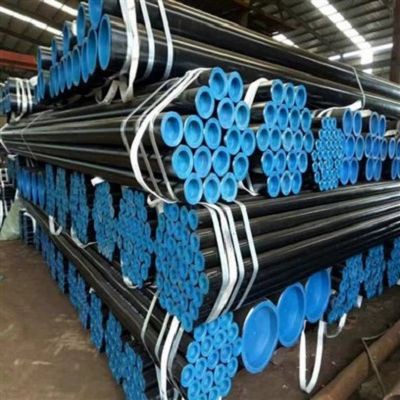
ERW (Electric Resistance Welded) pipe scaffolding is a popular choice in construction due to its cost - effectiveness, strength, and ease of installation. However, one of the significant challenges it faces is water exposure, which can lead to corrosion, weakening the structure and posing safety risks. As an ERW Pipe Scaffolding supplier, I understand the importance of waterproofing these structures. In this blog, I will discuss various waterproofing measures for ERW Pipe Scaffolding.
1. Protective Coatings
Protective coatings are one of the most common and effective ways to waterproof ERW pipe scaffolding. There are several types of coatings available, each with its own advantages.
Paint Coatings
Paint is a widely used coating for ERW pipe scaffolding. It forms a physical barrier between the metal surface of the pipes and water. High - quality epoxy paints are particularly suitable as they offer excellent adhesion, corrosion resistance, and durability. Epoxy paints can withstand harsh environmental conditions, including exposure to moisture, chemicals, and UV rays. Before applying the paint, the pipes need to be properly cleaned to remove any dirt, rust, or grease. This can be done through methods such as sandblasting or wire brushing. Once the surface is clean and dry, multiple coats of paint are applied to ensure complete coverage.
Galvanized Coatings
Galvanization is a process where a layer of zinc is applied to the surface of the ERW pipes. Zinc acts as a sacrificial anode, meaning that it corrodes before the steel beneath it. This provides long - term protection against rust and water damage. Hot - dip galvanizing is a common method, where the pipes are dipped into a bath of molten zinc. The resulting coating is thick, uniform, and highly durable. Galvanized ERW pipe scaffolding can last for many years, even in outdoor and high - humidity environments. However, it is important to note that the galvanized layer can be damaged during transportation or installation, so any damaged areas should be repaired promptly with a zinc - rich paint.
Powder Coatings
Powder coatings are another option for waterproofing ERW pipe scaffolding. In this process, a dry powder is electrostatically applied to the pipes and then cured in an oven. The powder melts and forms a smooth, hard, and continuous coating. Powder coatings offer excellent resistance to chipping, scratching, and fading. They also provide good waterproofing properties and can be customized in terms of color and finish. Similar to paint coatings, proper surface preparation is crucial for the success of powder coating application.
2. Sealing Joints and Connections
The joints and connections in ERW pipe scaffolding are vulnerable points where water can enter. Therefore, proper sealing of these areas is essential.

Gaskets and Seals
Gaskets are commonly used to seal the joints between pipes. They are made of materials such as rubber or neoprene, which are flexible and can create a tight seal. When installing the scaffolding, gaskets are placed between the pipe ends or at the connection points. This prevents water from seeping into the joints and causing corrosion. Seals can also be used around bolts and nuts to prevent water from reaching the metal parts.
Sealants
In addition to gaskets, sealants can be applied to the joints and connections. Silicone - based sealants are a popular choice as they are flexible, weather - resistant, and have good adhesion. They can be used to fill any gaps or cracks in the joints, creating a watertight seal. When applying sealants, it is important to ensure that the surfaces are clean and dry to achieve the best results.
3. Design Considerations for Waterproofing
The design of the ERW pipe scaffolding can also play a significant role in its waterproofing capabilities.
Drainage Systems
Incorporating drainage systems into the scaffolding design can help prevent water from pooling on the pipes. For example, the scaffolding can be designed with slopes or channels that direct water away from the structure. This reduces the amount of time the pipes are in contact with water, minimizing the risk of corrosion. Additionally, drain holes can be drilled at low points in the pipes to allow any accumulated water to escape.
Avoiding Water Traps
The design should also avoid creating water traps. Water traps are areas where water can collect and remain stagnant, such as in closed - end pipes or recessed areas. By designing the scaffolding with open and well - ventilated structures, water is less likely to accumulate and cause damage.
4. Regular Maintenance and Inspection
Even with the best waterproofing measures in place, regular maintenance and inspection are necessary to ensure the continued effectiveness of the waterproofing.
Visual Inspections
Regular visual inspections should be carried out to check for any signs of water damage, such as rust, corrosion, or peeling coatings. Any damaged areas should be repaired immediately. Inspections should also focus on the joints and connections to ensure that the gaskets and sealants are still intact.
Coating Repairs
If the protective coatings on the pipes are damaged, they should be repaired as soon as possible. This may involve reapplying paint, powder coating, or repairing the galvanized layer. For small areas of damage, touch - up paints can be used. For more extensive damage, the pipes may need to be recoated or replaced.
5. Environmental Considerations
The environment in which the ERW pipe scaffolding is used also affects its waterproofing requirements.
Humid and Coastal Areas
In humid and coastal areas, the risk of corrosion is higher due to the high moisture content in the air and the presence of salt. In these environments, more robust waterproofing measures are needed. For example, using galvanized pipes with a thicker zinc coating and applying additional protective coatings can provide better protection. Regular inspections and maintenance are also more critical in these areas.
Industrial Areas
In industrial areas, the scaffolding may be exposed to chemicals and pollutants in addition to water. Specialized coatings that are resistant to these chemicals should be used. The design of the scaffolding should also take into account the potential for chemical spills and ensure that proper drainage and containment measures are in place.
As an ERW Pipe Scaffolding supplier, I offer a range of products with different waterproofing options. Our ERW Steel Pipe Api 5l Pipe is known for its high - quality and can be customized with various waterproofing coatings. We also provide ERW Steel Pipe for Sour Service Nace, which is suitable for more corrosive environments. And our ERW Steel Pipe ASTM A53 Pipe meets the industry standards and can be effectively waterproofed to ensure long - term use.
If you are in need of ERW Pipe Scaffolding and are interested in discussing the best waterproofing solutions for your project, please feel free to contact us. We are committed to providing high - quality products and professional advice to meet your specific needs.
References
- American Society for Testing and Materials (ASTM). "ASTM A53 Standard Specification for Pipe, Steel, Black and Hot - Dipped, Zinc - Coated, Welded and Seamless."
- NACE International. "Standards for Corrosion Control in the Oil and Gas Industry."
- International Organization for Standardization (ISO). "ISO Standards Related to Steel Pipes and Scaffolding."