

In the realm of pipeline infrastructure, the choice of the right pipe material is crucial, especially when dealing with challenging environmental conditions. As a seasoned LSAW Line Pipe supplier, I've witnessed firsthand the unique demands placed on these pipes in humid regions. In this blog, I'll discuss the performance requirements for LSAW Line Pipe in such areas, drawing on my years of experience and industry knowledge.
Corrosion Resistance
One of the most significant challenges in humid regions is corrosion. The high levels of moisture in the air and soil create an ideal environment for rust and other forms of corrosion to develop. LSAW Line Pipe must have excellent corrosion resistance to ensure long - term durability.
The pipe surface should be protected with an effective coating system. Epoxy coatings are commonly used as they provide a strong barrier against moisture and oxygen, two key elements in the corrosion process. For example, fusion - bonded epoxy (FBE) coatings are known for their high adhesion and chemical resistance. They can withstand the harsh conditions in humid regions, preventing the pipe from corroding from the outside.
Internally, the pipe may also be exposed to corrosive substances in the fluid being transported. In such cases, a lining material can be applied. For instance, polyethylene linings can be used to protect the inner surface of the pipe from chemical attack. This is particularly important when transporting fluids such as oil or gas that may contain sulfur compounds or other corrosive agents.
Mechanical Strength
LSAW Line Pipe in humid regions needs to maintain its mechanical strength over time. The constant presence of moisture can weaken the pipe structure if it is not properly designed and manufactured.
The pipe should have sufficient yield strength and tensile strength. ASTM standards, such as those for ASTM A671 Pipe, provide clear guidelines on the minimum strength requirements for line pipes. These standards ensure that the pipe can withstand the internal pressure of the fluid being transported, as well as external loads such as soil pressure and traffic loads.
In addition, the pipe should have good toughness. Toughness is the ability of the material to absorb energy without fracturing. In humid regions, the pipe may be subject to temperature variations, which can cause thermal stress. A pipe with high toughness can better resist cracking under these conditions.
Weld Quality
Welding is a critical process in the manufacturing of LSAW Line Pipe. In humid regions, the quality of the welds becomes even more important. Moisture can affect the welding process and lead to defects such as porosity, cracks, and lack of fusion.
To ensure high - quality welds, strict welding procedures must be followed. The welding equipment should be properly maintained and calibrated. Welders should be highly skilled and certified. Non - destructive testing methods, such as ultrasonic testing and radiographic testing, should be used to inspect the welds for any defects.
For example, ultrasonic testing can detect internal flaws in the weld, while radiographic testing can provide a detailed image of the weld structure. By ensuring the quality of the welds, the overall integrity of the LSAW Line Pipe is maintained, reducing the risk of leaks and failures in humid environments.
Sealing Performance
Proper sealing is essential for LSAW Line Pipe in humid regions. Leaks can not only lead to the loss of the transported fluid but also cause environmental pollution.
The pipe joints should be designed to provide a tight seal. Gaskets made of materials such as rubber or elastomers can be used to seal the joints. These gaskets should be resistant to moisture and chemicals to ensure long - term sealing performance.
In addition, the installation process should be carefully carried out to ensure that the joints are properly aligned and tightened. Improper installation can lead to gaps in the joints, allowing moisture and fluid to leak out.
Hydrostatic Testing
Before being used in a pipeline project in a humid region, LSAW Line Pipe should undergo hydrostatic testing. This test involves filling the pipe with water and pressurizing it to a specified level to check for leaks and ensure the integrity of the pipe.
The hydrostatic test pressure should be set according to industry standards and project requirements. During the test, the pipe should be monitored for any signs of deformation or leakage. If any issues are detected, the pipe should be repaired or replaced.
Hydrostatic testing is an important quality control measure that helps to ensure that the LSAW Line Pipe can safely operate in humid environments.
Compatibility with Surrounding Environment
LSAW Line Pipe should be compatible with the surrounding environment in humid regions. This includes the soil conditions, groundwater, and any nearby structures.
The pipe should be able to withstand the chemical composition of the soil. Some soils in humid regions may be acidic or alkaline, which can accelerate the corrosion process. In such cases, the pipe coating or lining should be selected to resist the specific chemical properties of the soil.
The pipe should also be installed at a proper depth to avoid damage from surface water runoff and flooding. In addition, it should be protected from any potential mechanical damage caused by nearby construction activities or natural disasters.
Case Studies
Let's take a look at some real - world examples to illustrate the importance of these performance requirements. In a coastal area with high humidity, a pipeline project using LSAW Line Pipe was implemented to transport natural gas. The pipes were coated with FBE to protect against external corrosion. However, due to a minor defect in the coating during installation, some areas of the pipe were exposed to moisture.
Over time, corrosion started to develop in these exposed areas. This led to a decrease in the pipe's mechanical strength and an increased risk of leakage. To address this issue, the affected sections of the pipe were repaired, and additional protective measures were taken, such as applying a secondary coating.
In another case, a pipeline in a humid forest region was transporting water. The pipe joints were not properly sealed during installation, resulting in water leakage. This not only wasted water but also caused soil erosion around the pipeline. The problem was resolved by replacing the gaskets and re - tightening the joints.
Conclusion
In conclusion, LSAW Line Pipe in humid regions must meet a variety of performance requirements to ensure its long - term reliability and safety. Corrosion resistance, mechanical strength, weld quality, sealing performance, hydrostatic testing, and compatibility with the surrounding environment are all crucial factors.
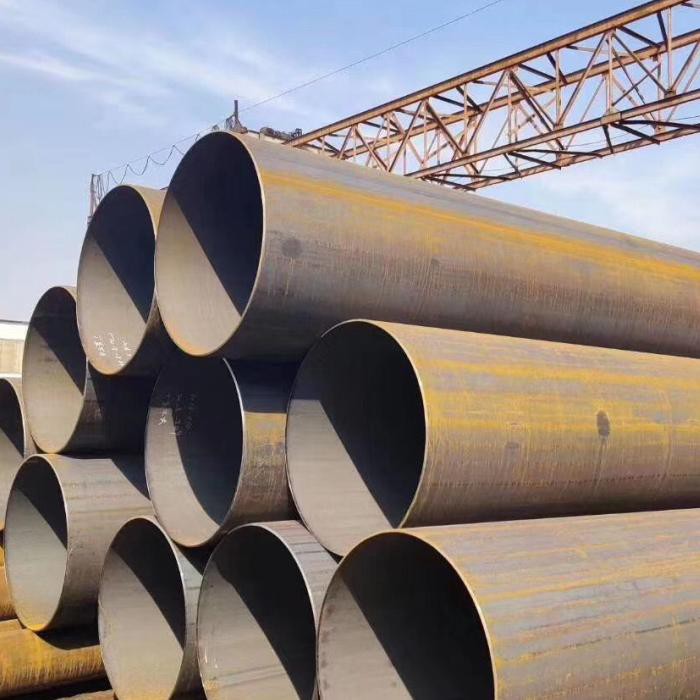

As a LSAW Line Pipe supplier, we are committed to providing high - quality pipes that meet these requirements. Our pipes are manufactured using the latest technology and strict quality control measures. We also offer comprehensive technical support and after - sales service to ensure that our customers' pipeline projects are successful.
If you are involved in a pipeline project in a humid region and are looking for reliable LSAW Line Pipe, we would be delighted to discuss your specific needs. Contact us to start a procurement discussion and find the best solution for your project.
References
- ASTM International standards for steel pipes, including ASTM A671 and ASTM A252.
- Industry reports on pipeline performance in humid environments.
- Technical literature on corrosion protection and welding technology for line pipes.