

As a supplier of ERW Casing Pipe, I've seen firsthand the importance of preventing pipe deformation during transportation. ERW Casing Pipe is widely used in various industries, such as oil and gas, construction, and infrastructure. Any deformation during transit can lead to significant issues, including installation problems and reduced pipe performance. So, let's dive into some practical measures to keep our pipes in top - notch condition during transportation.
Proper Packaging
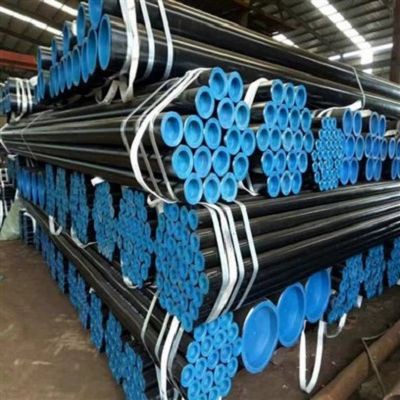
One of the first steps in preventing deformation is proper packaging. We don't want our pipes rubbing against each other or getting banged up during the journey. Using high - quality protective materials like plastic caps, end protectors, and wrapping the pipes with cushioning materials can do wonders.
Plastic caps are essential as they protect the pipe ends from damage. When the pipes are loaded and unloaded, the ends are often the most vulnerable parts. A simple plastic cap can prevent dents and scratches that could potentially lead to deformation. End protectors made of rubber or other shock - absorbing materials can also be used to further safeguard the pipe ends.
Wrapping the pipes with materials like foam or bubble wrap provides an extra layer of protection. It helps to absorb any impact that the pipes might experience during transportation. This is especially important when the pipes are being transported over long distances or on rough roads.
Secure Loading
How we load the pipes onto the transport vehicle matters a great deal. We need to make sure the pipes are loaded in a way that distributes the weight evenly. Uneven loading can cause stress on certain parts of the pipes, leading to deformation.
When loading, we should use proper lifting equipment, such as slings or cradles. These tools are designed to lift the pipes without causing damage. We need to be careful not to over - tighten the slings, as this can also cause deformation.
It's also a good idea to arrange the pipes in an orderly manner. For example, stacking the pipes in a way that they are parallel to each other and properly supported. This not only helps with weight distribution but also makes it easier to secure the pipes in place. We can use straps or chains to tie down the pipes to the transport vehicle. Make sure the straps or chains are tightened just enough to keep the pipes from moving around but not so tight that they cause damage.
Suitable Transport Vehicles
Choosing the right transport vehicle is crucial. Different types of ERW Casing Pipe may require different types of vehicles. For example, if we are transporting long and large - diameter pipes, a flatbed truck with proper support structures might be the best option.
The vehicle should have a smooth and flat surface to place the pipes on. Any bumps or irregularities on the vehicle's surface can cause stress points on the pipes, leading to deformation. Some transport vehicles come with special features like shock - absorbing suspensions. These can help to reduce the impact of vibrations and bumps during the journey.
If possible, we should also consider the road conditions when choosing a transport vehicle. For rough or unpaved roads, a vehicle with better off - road capabilities might be needed. This can help to minimize the jolts and vibrations that the pipes are exposed to.
Route Planning
Route planning is often overlooked but is an important factor in preventing pipe deformation. We should try to choose routes that are as smooth as possible. Avoiding roads with potholes, speed bumps, and sharp turns can significantly reduce the risk of deformation.
Using mapping tools and real - time traffic information can help us plan the best route. We can also take into account the time of day. For example, traveling during off - peak hours can reduce the chances of getting stuck in traffic, which might involve sudden stops and starts that can be hard on the pipes.

In addition, if there are any construction zones or areas with known road issues, we should try to avoid them. These areas often have rough surfaces and unpredictable traffic conditions, which can increase the risk of pipe deformation.
Regular Inspections
Before, during, and after transportation, regular inspections are a must. Before loading the pipes, we should check for any pre - existing damage or defects. This can help us identify any pipes that might be more prone to deformation during transportation.
During the journey, if possible, we can arrange for periodic inspections. This can be done when the vehicle stops for refueling or rest breaks. Inspecting the pipes during the journey allows us to catch any potential issues early and take corrective actions.
After the pipes reach their destination, a final inspection should be carried out. This helps to ensure that the pipes are in the same condition as when they were loaded. If any deformation is detected, we can take appropriate steps, such as replacing the damaged pipes or repairing them if possible.
Temperature and Humidity Control
In some cases, extreme temperatures and high humidity can affect the integrity of ERW Casing Pipe. High temperatures can cause the pipes to expand, while low temperatures can make them contract. These thermal changes can lead to stress and potentially deformation.
If the pipes are being transported in an environment with extreme temperatures, we might need to take special precautions. For example, using insulated containers or covers to protect the pipes from direct sunlight or cold weather.
Humidity can also cause problems, especially if the pipes are made of steel. High humidity can lead to rust and corrosion, which can weaken the pipes and make them more likely to deform. We can use moisture - resistant packaging materials or desiccants to control the humidity around the pipes.
Training for Transport Staff
The people involved in the transportation process play a vital role in preventing pipe deformation. We need to provide proper training to the transport staff, including drivers, loaders, and unloaders.
The drivers should be trained on how to drive in a way that minimizes the impact on the pipes. This includes avoiding sudden acceleration, braking, and sharp turns. They should also be aware of the importance of route planning and how to handle the vehicle in different road conditions.
Loaders and unloaders should be trained on the correct techniques for lifting, stacking, and securing the pipes. They need to understand the potential risks of improper handling and how to prevent damage to the pipes.
By implementing these measures, we can significantly reduce the risk of deformation of ERW Casing Pipe during transportation. At our company, we are committed to providing high - quality ERW Casing Pipe that meets the needs of our customers. Whether you need ERW Pipe Scaffolding, ERW Line Pipe, or ERW Steel Pipe ASTM A53 Pipe, we've got you covered.
If you're in the market for ERW Casing Pipe, don't hesitate to get in touch with us. We're here to discuss your specific requirements and offer the best solutions for your projects. Let's work together to ensure your projects are a success!
References
- Industry standards and guidelines for pipe transportation
- Technical literature on the properties and handling of ERW Casing Pipe
- Experience and best practices from our company's operations in the pipe supply and transportation industry