

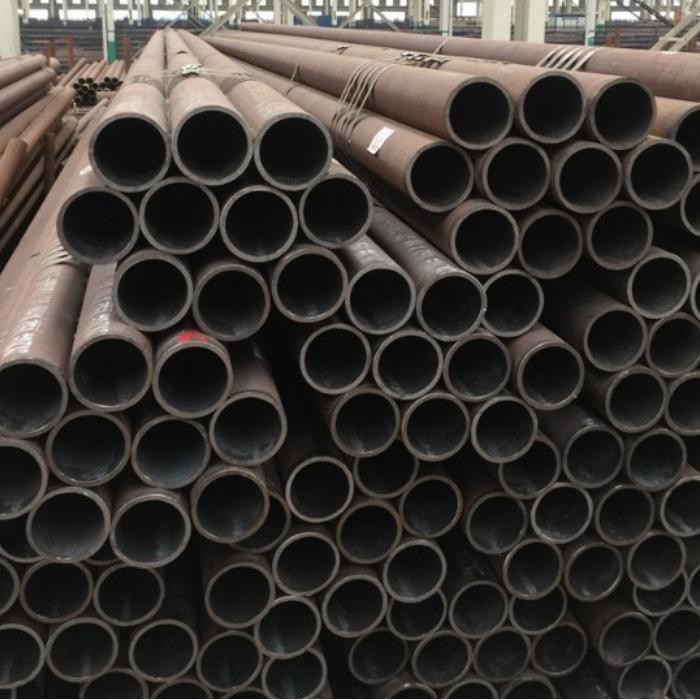
Seamless line pipes are crucial components in various industries, including oil and gas, petrochemical, and power generation. As a seamless line pipe supplier, I understand the importance of proper maintenance to ensure the longevity and optimal performance of these pipes. In this blog post, I will discuss the maintenance requirements for seamless line pipes, including inspection, cleaning, corrosion prevention, and repair.
Inspection
Regular inspection is the cornerstone of seamless line pipe maintenance. Inspections help detect potential issues early, allowing for timely intervention and preventing costly failures. There are several types of inspections that can be performed on seamless line pipes:
Visual Inspection
Visual inspection is the simplest and most common form of inspection. It involves visually examining the pipe's exterior for signs of damage, such as cracks, dents, corrosion, or leaks. Visual inspections can be performed during routine maintenance checks or as part of a more comprehensive inspection program.
Non-Destructive Testing (NDT)
Non-destructive testing techniques are used to detect internal and external defects in seamless line pipes without causing damage to the pipe. Some common NDT methods include ultrasonic testing (UT), magnetic particle testing (MT), liquid penetrant testing (PT), and radiographic testing (RT). These methods can detect defects such as cracks, porosity, and inclusions, which may not be visible during a visual inspection.
Pressure Testing
Pressure testing is used to verify the integrity of seamless line pipes under pressure. This test involves filling the pipe with a liquid or gas and applying pressure to the pipe to check for leaks or other defects. Pressure testing can be performed using hydrostatic testing (using water) or pneumatic testing (using air or gas).
Cleaning
Cleaning is an essential part of seamless line pipe maintenance. Over time, pipes can accumulate dirt, debris, scale, and other contaminants, which can reduce the pipe's flow capacity, increase friction, and cause corrosion. There are several methods for cleaning seamless line pipes:
Mechanical Cleaning
Mechanical cleaning involves using tools such as brushes, scrapers, or high-pressure water jets to remove dirt, debris, and scale from the inside of the pipe. This method is effective for removing loose or lightly adhered contaminants.
Chemical Cleaning
Chemical cleaning involves using chemicals to dissolve or remove scale, rust, and other contaminants from the inside of the pipe. This method is effective for removing stubborn or heavily adhered contaminants. However, chemical cleaning should be performed carefully to avoid damaging the pipe.
Pigging
Pigging is a method of cleaning seamless line pipes using a device called a pig. A pig is a cylindrical device that is inserted into the pipe and pushed through the pipe using fluid pressure. The pig can be equipped with brushes, scrapers, or other cleaning tools to remove dirt, debris, and scale from the inside of the pipe.
Corrosion Prevention
Corrosion is one of the most common problems faced by seamless line pipes. Corrosion can cause the pipe to weaken, leak, or fail, which can lead to safety hazards and costly repairs. There are several methods for preventing corrosion in seamless line pipes:
Coating
Coating is a common method for preventing corrosion in seamless line pipes. Coatings can be applied to the inside or outside of the pipe to provide a barrier between the pipe and the corrosive environment. Some common coating materials include epoxy, polyethylene, and polyurethane.
Cathodic Protection
Cathodic protection is a method of preventing corrosion in seamless line pipes by using an electrical current to protect the pipe from corrosion. This method involves connecting the pipe to a sacrificial anode or an impressed current system, which provides a source of electrons to the pipe to prevent corrosion.
Material Selection
Selecting the right material for seamless line pipes is crucial for preventing corrosion. Some materials, such as stainless steel and alloy steel, are more resistant to corrosion than others. When selecting a material for seamless line pipes, it is important to consider the environment in which the pipe will be used, the type of fluid or gas that will be transported through the pipe, and the operating conditions of the pipe.

Repair
Despite proper maintenance, seamless line pipes may still require repair from time to time. Repairs can be necessary due to damage caused by corrosion, mechanical stress, or other factors. There are several methods for repairing seamless line pipes:
Welding
Welding is a common method for repairing seamless line pipes. This method involves using a welding machine to join two pieces of pipe together or to repair a damaged section of pipe. Welding should be performed by a qualified welder using the appropriate welding technique and materials.
Patching
Patching is a method of repairing seamless line pipes by using a patch to cover a damaged section of pipe. This method is effective for repairing small holes or cracks in the pipe. Patches can be made of various materials, such as steel, fiberglass, or composite materials.
Replacement
In some cases, it may be necessary to replace a damaged section of seamless line pipe. This method is typically used when the damage to the pipe is too severe to be repaired or when the pipe has reached the end of its service life.
Conclusion
Proper maintenance is essential for ensuring the longevity and optimal performance of seamless line pipes. By following the maintenance requirements outlined in this blog post, including inspection, cleaning, corrosion prevention, and repair, you can help prevent costly failures and ensure the safety and reliability of your seamless line pipes.
If you are in the market for high-quality seamless line pipes or have any questions about seamless line pipe maintenance, please feel free to contact us. We are a leading supplier of Seamless Boiler Tube, Seamless Steel Pipe ASTM A53 A106 Pipe, and Seamless Pipe for Sour Service Nace, and we are committed to providing our customers with the best products and services.
References
- ASME B31.3 Process Piping Code
- API 5L Specification for Line Pipe
- NACE International Standards for Corrosion Control