

Yo, what's up everyone! I'm a supplier of steel pipe piles, and today I wanna chat about the impact of temperature changes on these bad boys. Steel pipe piles are used in all sorts of construction projects, from bridges to buildings, and understanding how temperature affects them is super important.
First off, let's talk about how temperature changes can mess with the physical properties of steel. Steel is a pretty tough material, but it's not immune to the effects of heat and cold. When the temperature rises, steel expands. This might not seem like a big deal, but in a large - scale construction project where steel pipe piles are used, even a small amount of expansion can cause some serious issues.
For example, if the steel pipe piles are installed in a foundation and then the temperature goes up significantly, the expansion can put extra stress on the surrounding soil and the structure they're supporting. This could lead to cracking in the soil or even damage to the building above. On the flip side, when the temperature drops, steel contracts. This contraction can also create problems, like loosening the connection between the pile and the soil or causing internal stresses within the pile itself.
One of the key things to consider is the coefficient of thermal expansion of steel. Different types of steel have different coefficients, which means they expand and contract at different rates. As a supplier, I deal with various types of steel pipe piles, like ASTM A672 Pipe. This type of pipe is often used in high - pressure applications, and understanding its thermal expansion characteristics is crucial for ensuring its proper use in different temperature environments.

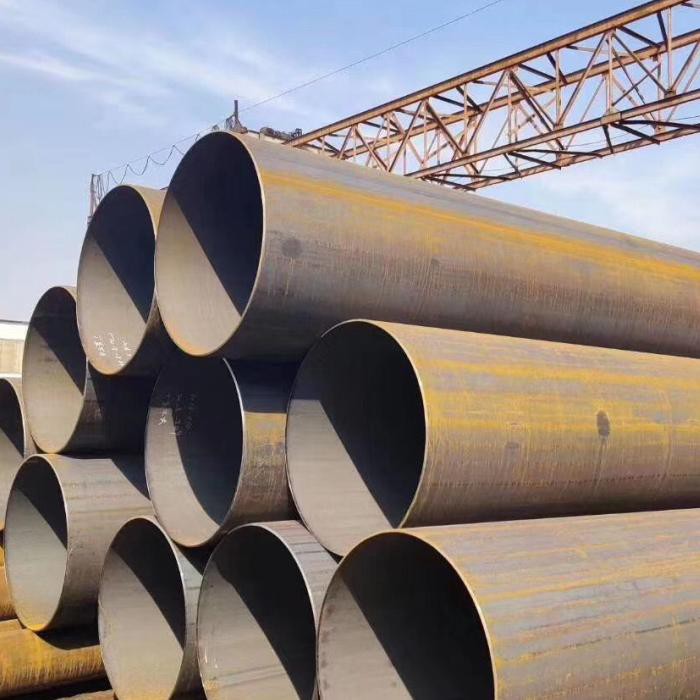
Another type of pipe I supply is the LSAW Api 5l Steel Pipe. These pipes are commonly used in the oil and gas industry, where they might be exposed to extreme temperature variations. The temperature changes can affect the pipe's strength and integrity, which is a major concern in such critical applications.
The ASTM A252 Steel Pipe Casing is also in my product range. This casing is used in pile foundations, and temperature - induced expansion and contraction can impact its performance in the ground. If the casing expands too much during hot weather, it might push against the surrounding soil and cause instability. And during cold weather, the contraction could lead to gaps forming between the casing and the pile, reducing its effectiveness.
Now, let's get into some real - world scenarios. In a coastal area, the temperature can vary a lot between day and night, and also between seasons. Steel pipe piles used in coastal construction projects, like building a pier or a seawall, have to withstand these temperature fluctuations. The constant expansion and contraction can lead to fatigue in the steel over time. Fatigue can cause cracks to form in the pipe, which can eventually lead to failure if not addressed.
In a cold climate, like in the Arctic regions, the low temperatures can make the steel more brittle. Brittle steel is more likely to crack under stress, which is a huge problem for steel pipe piles. When the ground freezes, it can also put additional pressure on the piles, and the cold - induced brittleness makes them more vulnerable to damage.
On the other hand, in a hot desert climate, the high temperatures can soften the steel to some extent. This softening can reduce the pipe's load - bearing capacity. If the pipes are supporting a heavy structure, the reduced capacity due to high - temperature softening can be a safety hazard.
So, what can be done to mitigate these temperature - related issues? One solution is to choose the right type of steel for the specific temperature environment. As a supplier, I work closely with my customers to understand their project requirements and recommend the most suitable steel pipe piles. For example, if a project is in a region with extreme temperature variations, I might suggest a steel with a lower coefficient of thermal expansion.
Another approach is to use insulation or coatings on the steel pipe piles. Insulation can help to reduce the rate of temperature change within the pipe, minimizing the expansion and contraction effects. Coatings can also protect the steel from the elements and prevent corrosion, which can be exacerbated by temperature changes.
Proper installation is also crucial. During installation, contractors need to take into account the expected temperature changes in the area. They might need to leave some room for expansion and contraction to prevent excessive stress on the piles.
As a steel pipe pile supplier, I'm always looking out for the best interests of my customers. I know that temperature changes can have a big impact on the performance of steel pipe piles, and I'm committed to providing high - quality products and expert advice. Whether you're working on a small - scale building project or a large - scale infrastructure development, I can help you choose the right steel pipe piles and ensure they perform well in any temperature conditions.
If you're in the market for steel pipe piles and want to learn more about how temperature changes might affect your project, don't hesitate to reach out. We can have a detailed discussion about your specific needs and figure out the best solutions together. Let's work together to make sure your construction project is a success, no matter what the temperature throws at it.
References
- "Steel Structures: Design and Behavior" by Arthur H. Nilson, David Darwin, and Charles W. Dolan
- "Construction Materials: Their Nature and Behavior" by Peter C. Hewlett