

Hey there! As a supplier of En 10219 pipes, I've had my fair share of questions about the cutting requirements for these pipes. In this blog post, I'll break down everything you need to know about cutting En 10219 pipes, so let's dive right in.
What Are En 10219 Pipes?
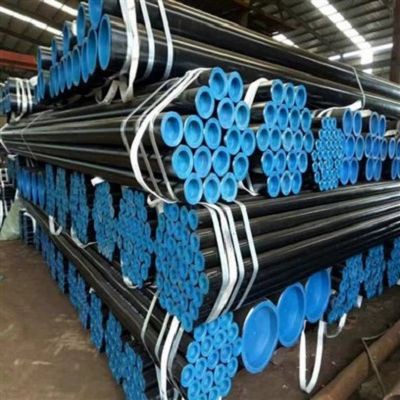
Before we get into the cutting requirements, let's quickly go over what En 10219 pipes are. En 10219 is a European standard that specifies the technical delivery conditions for cold - formed welded structural hollow sections of non - alloy and fine - grain steels. These pipes are widely used in structural applications such as building construction, bridges, and machinery due to their high strength and good formability.
General Cutting Considerations
When it comes to cutting En 10219 pipes, there are several factors to keep in mind. First off, the type of cutting method you choose will depend on various things like the pipe's thickness, the precision required, and the available equipment.
Types of Cutting Methods
1. Saw Cutting
Saw cutting is a popular method for cutting En 10219 pipes. There are different types of saws you can use, such as circular saws and band saws. Circular saws are great for making quick cuts and are suitable for pipes with relatively thin walls. They can provide a clean cut, but you need to make sure the blade is sharp and appropriate for the material.
Band saws, on the other hand, are more versatile and can handle thicker pipes. They offer better control over the cutting process and can produce a more accurate cut. When using a saw for cutting En 10219 pipes, it's important to use the right cutting speed and feed rate. If the speed is too high, the blade can overheat and wear out quickly. If the feed rate is too fast, it might result in a rough cut.
2. Plasma Cutting
Plasma cutting is another option, especially for thicker En 10219 pipes. This method uses a high - velocity jet of ionized gas (plasma) to melt and cut through the metal. Plasma cutting can be very fast and can cut through pipes of different thicknesses. However, it does produce a lot of heat, which can cause some distortion around the cut area.
To minimize distortion, you can use proper clamping techniques and pre - heating the pipe if necessary. Also, you need to ensure that the plasma cutting equipment is set up correctly with the right amperage and gas flow for the specific pipe thickness.
3. Laser Cutting
Laser cutting is a high - precision method that's becoming more and more popular for cutting En 10219 pipes. It uses a focused laser beam to melt and vaporize the metal. Laser cutting can produce very accurate cuts with a smooth finish, even on complex shapes. But it's also more expensive compared to other cutting methods and requires specialized equipment.
Cutting Requirements Based on Pipe Dimensions
Wall Thickness
The wall thickness of the En 10219 pipe plays a crucial role in determining the cutting requirements. For thin - walled pipes (usually less than 3mm), saw cutting or laser cutting might be the best options as they can provide a clean cut without causing too much damage to the pipe.

For medium - walled pipes (between 3mm and 10mm), you can choose between saw cutting, plasma cutting, or laser cutting depending on your precision needs and available resources. Plasma cutting can be a good choice here as it can cut through the material relatively quickly.
Thick - walled pipes (over 10mm) often require more powerful cutting methods. Plasma cutting or oxy - fuel cutting can be suitable for these pipes. Oxy - fuel cutting uses a mixture of oxygen and a fuel gas (like acetylene) to burn through the metal. It's a cost - effective method for thick pipes but requires proper safety precautions.
Pipe Diameter
The diameter of the En 10219 pipe also affects the cutting process. Small - diameter pipes can be more easily cut using hand - held tools or small - scale saws. For larger - diameter pipes, you might need more heavy - duty equipment like large circular saws or automated cutting machines.
Quality Control After Cutting
Once you've cut the En 10219 pipes, it's important to perform quality control checks. You should inspect the cut edges for any signs of burrs, cracks, or distortion. If there are burrs, they should be removed to ensure a smooth surface. Cracks can compromise the structural integrity of the pipe, so they need to be addressed immediately.
You can use measuring tools like calipers and micrometers to check the dimensions of the cut pipe to make sure they meet the required specifications.
Applications of Cut En 10219 Pipes
Cut En 10219 pipes have a wide range of applications. They are commonly used in construction for building frames, columns, and beams. In the manufacturing industry, they can be used for making machinery parts and equipment.
If you're interested in related products, you can check out ERW Steel Pipe ASTM A53 Pipe, ERW Pipe Scaffolding, and ERW Line Pipe.
Conclusion
Cutting En 10219 pipes requires careful consideration of various factors such as the cutting method, pipe dimensions, and quality control. By choosing the right cutting method and following the appropriate requirements, you can ensure that the cut pipes meet the necessary standards for your applications.
If you're in the market for En 10219 pipes or have any questions about the cutting process, don't hesitate to reach out. We're here to help you get the best products and advice for your projects.
References
- European Standard EN 10219 - Part 1: Cold - formed welded structural hollow sections of non - alloy and fine - grain steels - Technical delivery conditions
- "Handbook of Metal Cutting and Grinding" by various authors