

Seamless casing pipes are essential components in various industries, including oil and gas, construction, and manufacturing. As a seamless casing pipe supplier, I often receive inquiries about the biodegradability characteristics of these pipes. In this blog post, I will delve into the topic, exploring what biodegradability means in the context of seamless casing pipes, the factors that influence their biodegradability, and the implications for environmental sustainability.
Understanding Biodegradability
Biodegradability refers to the ability of a material to be broken down by natural biological processes into simpler substances, such as water, carbon dioxide, and biomass. Microorganisms, such as bacteria and fungi, play a crucial role in these processes. When a material is biodegradable, it can be integrated back into the natural ecosystem without causing long - term environmental harm.
In the case of seamless casing pipes, which are typically made of steel, the concept of biodegradability is more complex compared to organic materials. Steel is an alloy primarily composed of iron and carbon, with other elements added to enhance its properties. Unlike organic materials, steel does not break down through the same biological mechanisms as plant - based or animal - based substances.
Factors Affecting the Biodegradability of Seamless Casing Pipes
Chemical Composition
The chemical composition of seamless casing pipes significantly influences their interaction with the environment. Most seamless casing pipes are made of carbon steel or alloy steel. Carbon steel contains mainly iron and carbon, while alloy steel has additional elements like chromium, nickel, and molybdenum.
Carbon steel is more prone to corrosion, which can be considered a form of degradation. When carbon steel is exposed to moisture and oxygen, a chemical reaction occurs, leading to the formation of iron oxide (rust). This rusting process can be accelerated in the presence of certain environmental factors, such as acidic or alkaline conditions.
Alloy steel, on the other hand, is designed to be more resistant to corrosion. The additional elements form a protective layer on the surface of the steel, preventing the penetration of oxygen and moisture. For example, stainless steel, which contains a significant amount of chromium, forms a thin, passive oxide layer that inhibits further corrosion. This increased resistance to corrosion means that alloy steel seamless casing pipes will degrade at a much slower rate compared to carbon steel pipes.
Environmental Conditions
The environment in which seamless casing pipes are placed plays a vital role in their degradation. In a marine environment, for instance, the high salt content and constant moisture can accelerate the corrosion of carbon steel pipes. The chloride ions in seawater can break down the protective oxide layer on the steel surface, allowing oxygen and water to react with the iron more readily.
In contrast, in a dry and arid environment, the corrosion process is significantly slower. Without sufficient moisture, the chemical reactions necessary for rust formation cannot occur at an appreciable rate. Additionally, the pH level of the soil or water where the pipes are buried can also affect their degradation. Acidic soils can increase the corrosion rate, while alkaline conditions may have a passivating effect on the steel surface, reducing the rate of degradation.
Coating and Surface Treatment
Many seamless casing pipes are coated or treated to enhance their resistance to corrosion and extend their service life. Common coatings include epoxy, polyethylene, and zinc - based coatings. These coatings act as a barrier between the steel surface and the environment, preventing oxygen, moisture, and other corrosive agents from reaching the steel.
Epoxy coatings, for example, provide excellent chemical resistance and adhesion to the steel surface. They can withstand a wide range of environmental conditions and protect the pipe from corrosion for an extended period. Zinc - based coatings, such as galvanizing, work by sacrificial protection. Zinc corrodes preferentially to the steel, providing a protective layer that slows down the degradation of the underlying steel.
Implications for Environmental Sustainability
The biodegradability characteristics of seamless casing pipes have important implications for environmental sustainability. On one hand, the slow degradation rate of steel pipes means that they can remain in the environment for a long time without significant breakdown. This can be a concern when pipes are no longer in use and are discarded. Abandoned pipes can take up space in landfills and may pose potential environmental risks if they start to corrode and release contaminants into the soil or water.

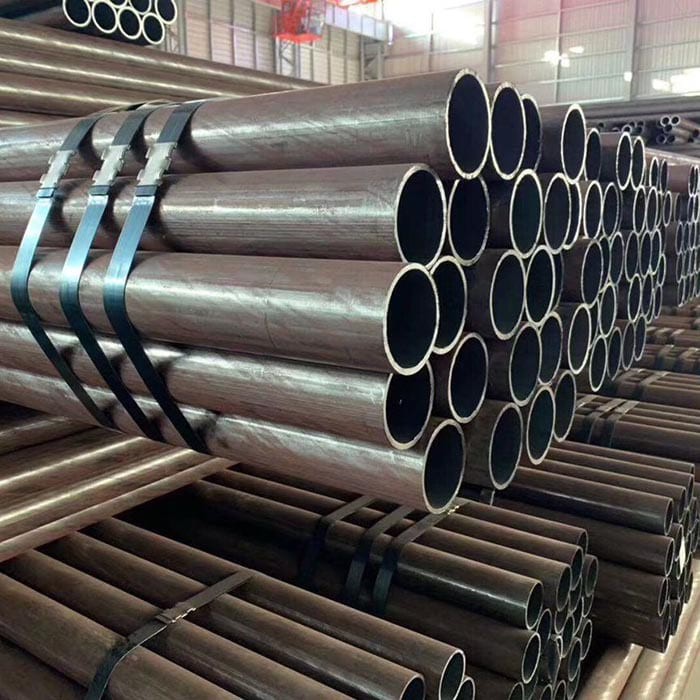
On the other hand, the durability of seamless casing pipes is also an advantage in terms of sustainability. Their long service life means that fewer pipes need to be manufactured and replaced over time, reducing the overall energy consumption and environmental impact associated with the production process. Additionally, at the end of their useful life, steel pipes can be recycled. Recycling steel requires less energy compared to producing new steel from raw materials, making it an environmentally friendly option.
Our Product Offerings
As a seamless casing pipe supplier, we offer a wide range of high - quality pipes to meet the diverse needs of our customers. Our Seamless Steel Pipe Api 5l Pipe is designed to meet the strict standards of the oil and gas industry. It is available in various grades and sizes, with options for different coatings and surface treatments to enhance its corrosion resistance.
We also provide Seamless Steel Pipe ASTM A53 A106 Pipe, which is suitable for general - purpose applications in construction and manufacturing. These pipes are known for their excellent mechanical properties and reliability.
For applications in high - temperature environments, our Seamless Boiler Tube is an ideal choice. It is made of high - quality alloy steel and is designed to withstand the extreme conditions inside boilers.
Contact Us for Purchase and Consultation
If you are interested in purchasing seamless casing pipes or have any questions about their biodegradability characteristics, we encourage you to contact us. Our team of experts is ready to provide you with detailed information and assist you in selecting the right pipes for your specific needs. Whether you are involved in the oil and gas industry, construction, or any other sector that requires high - quality seamless casing pipes, we can offer you the best solutions.
References
- ASM Handbook Committee. (2004). ASM Handbook, Volume 13A: Corrosion: Fundamentals, Testing, and Protection. ASM International.
- Fontana, M. G. (1986). Corrosion Engineering (3rd ed.). McGraw - Hill.
- Kuznetsov, S. P. (2007). Corrosion of Metals in Natural Waters. CRC Press.