

Hey there! I'm a supplier of square steel tubes, and I often get asked about how to weld these bad boys. Welding square steel tubes isn't rocket science, but it does require some know - how and the right techniques. In this blog, I'll walk you through the whole process, from preparation to the final touches.
Preparation
Before you even think about striking an arc, you need to get your workspace and materials ready. First things first, make sure you've got a clean and well - ventilated area. Welding produces fumes that can be harmful if inhaled, so proper ventilation is a must. You can use a fan or work in an open space to keep the air moving.
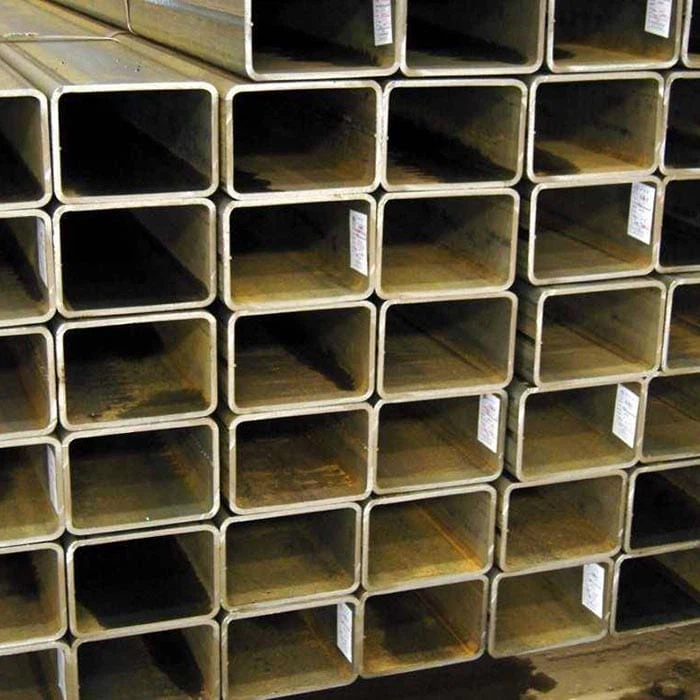
Now, let's talk about the square steel tubes themselves. You want to start with high - quality tubes. As a supplier, I always recommend checking the specifications of the tubes you're using. If you're looking for Rectangular Steel Tube, we've got a great selection that meets industry standards. For more standardized options, ASTM A500 Square and Rectangular Steel Pipe is a popular choice among welders.
Clean the surfaces of the tubes that you're going to weld. Any rust, dirt, or oil can affect the quality of the weld. You can use a wire brush or sandpaper to remove these contaminants. This step is crucial because a clean surface allows for better fusion and a stronger weld.
Measure and mark the tubes where you want to make the weld. Precision is key here. Use a measuring tape and a marker to ensure accurate cuts and joints. If you're working on a project that requires long tubes, like 2x2 Square Tubing 20 Ft, take extra care to measure and mark correctly.
Choosing the Right Welding Method
There are several welding methods you can use for square steel tubes, and each has its pros and cons.
MIG Welding
MIG (Metal Inert Gas) welding is a popular choice for welding square steel tubes. It's relatively easy to learn, especially for beginners. With MIG welding, you use a wire electrode that's fed through a welding gun. The wire melts and fuses the two pieces of steel together. You also use a shielding gas to protect the weld from contaminants in the air.
One of the advantages of MIG welding is its speed. You can cover a lot of ground quickly, which is great for large projects. However, it can be a bit messy, and you need to have a good understanding of the settings to get a clean and strong weld.
TIG Welding
TIG (Tungsten Inert Gas) welding is a more precise method. It uses a non - consumable tungsten electrode to create the arc. You add a filler metal separately if needed. TIG welding produces high - quality, clean welds, but it's also more difficult to master. It's slower than MIG welding, but the results are often worth the extra time and effort, especially for projects where appearance and strength are critical.
Stick Welding
Stick welding, also known as Shielded Metal Arc Welding (SMAW), is a versatile method. It uses a consumable electrode coated in flux. The flux creates a shielding gas as it burns, protecting the weld. Stick welding is great for outdoor work and can handle dirty or rusty metal better than some other methods. However, it can leave a lot of slag that you need to chip off after welding.
Setting Up Your Welding Equipment
Once you've chosen your welding method, it's time to set up your equipment.
If you're using MIG welding, you need to set the correct wire feed speed and voltage. These settings depend on the thickness of the steel tubes. Thicker tubes require a higher wire feed speed and voltage. You can refer to the manufacturer's guidelines for your specific welding machine to get the right settings.
For TIG welding, you need to set the amperage according to the thickness of the metal. You also need to choose the right type of tungsten electrode and set the gas flow rate. Make sure the electrode is sharpened properly for a stable arc.
With stick welding, you need to select the right electrode size and type for the job. The electrode size is determined by the thickness of the steel. You also need to adjust the amperage on your welding machine.
Making the Weld
Now comes the fun part – making the weld.
First, position the tubes correctly. Use clamps to hold them in place. This ensures that the joint is tight and the tubes don't move during welding.
If you're using MIG welding, hold the welding gun at a 10 - 15 - degree angle to the work surface. Start the arc at one end of the joint and move the gun steadily along the joint. Keep a consistent speed and distance from the metal.
For TIG welding, use your foot pedal to control the amperage. Start the arc by scratching the tungsten electrode on the metal or using a high - frequency start. Then, add the filler metal as needed, keeping the weld pool small and controlled.
When stick welding, strike the arc by tapping the electrode on the metal. Once the arc is established, move the electrode in a straight line or a slight zig - zag pattern along the joint. Keep the electrode at the right angle and distance from the metal to maintain a stable arc.
Post - Weld Inspection and Finishing
After you've made the weld, it's important to inspect it. Look for any cracks, porosity, or lack of fusion. If you find any issues, you may need to re - weld the area.
If you used stick welding, you'll need to chip off the slag using a chipping hammer and then clean the weld with a wire brush. This gives the weld a clean and professional look.
You can also grind the weld to smooth it out and make it flush with the surface of the tubes. This is especially important for projects where appearance is important.

Conclusion
Welding square steel tubes is a skill that takes time and practice to master. By following these steps, from proper preparation to post - weld finishing, you can achieve strong and high - quality welds. As a square steel tube supplier, I'm here to provide you with the best materials for your welding projects. Whether you need Rectangular Steel Tube, ASTM A500 Square and Rectangular Steel Pipe, or 2x2 Square Tubing 20 Ft, we've got you covered.
If you're interested in purchasing square steel tubes for your next welding project, feel free to reach out. We can discuss your specific needs and help you find the right products at the best prices. Let's work together to bring your projects to life!
References
- AWS Welding Handbook, Volume 1: Welding Science and Technology
- Miller Electric Mfg. Co. Welding Guides
- Lincoln Electric Welding Manuals