

Storing seamless casing pipe properly is crucial for maintaining its quality and integrity, especially for a supplier like me. As a seamless casing pipe supplier, I understand the significance of appropriate storage methods to ensure that the pipes reach our customers in the best possible condition. In this blog, I will share some essential tips on how to store seamless casing pipe properly.
Understanding the Characteristics of Seamless Casing Pipe
Before delving into the storage methods, it's important to understand the characteristics of seamless casing pipe. Seamless casing pipes are used in various industries, including oil and gas, construction, and manufacturing. They are known for their high strength, durability, and resistance to corrosion. However, these pipes are also susceptible to damage from environmental factors such as moisture, humidity, and chemical exposure.
Choosing the Right Storage Location
The first step in proper storage is selecting the right location. The storage area should be dry, well - ventilated, and protected from the elements. A warehouse or a covered storage facility is ideal as it can shield the pipes from rain, snow, and direct sunlight.
- Dryness: Moisture is one of the biggest enemies of seamless casing pipes. It can cause rust and corrosion, which can weaken the pipes over time. Therefore, the storage area should be kept as dry as possible. If the area is prone to high humidity, dehumidifiers can be used to control the moisture levels.
- Ventilation: Good ventilation helps to prevent the buildup of moisture and harmful gases. It allows air to circulate around the pipes, reducing the risk of corrosion. In a warehouse, proper ventilation systems such as exhaust fans can be installed to ensure adequate air movement.
- Protection from the Elements: Direct sunlight can cause the pipes to heat up and expand, which may lead to stress and damage. Additionally, exposure to rain and snow can introduce moisture, leading to corrosion. A covered storage facility can provide the necessary protection from these elements.
Preparation Before Storage
Before storing the seamless casing pipes, it's essential to prepare them properly.
- Cleaning: The pipes should be thoroughly cleaned to remove any dirt, debris, or contaminants. This can be done using a mild detergent and water, followed by a rinse and drying. Cleaning helps to prevent the formation of rust and corrosion during storage.
- Inspection: Each pipe should be inspected for any signs of damage, such as dents, scratches, or cracks. Damaged pipes should be separated and either repaired or discarded, depending on the severity of the damage.
- Coating: Applying a protective coating to the pipes can significantly enhance their corrosion resistance. There are various types of coatings available, such as epoxy coatings and zinc coatings. The choice of coating depends on the specific requirements of the pipes and the storage environment.
Stacking and Arrangement
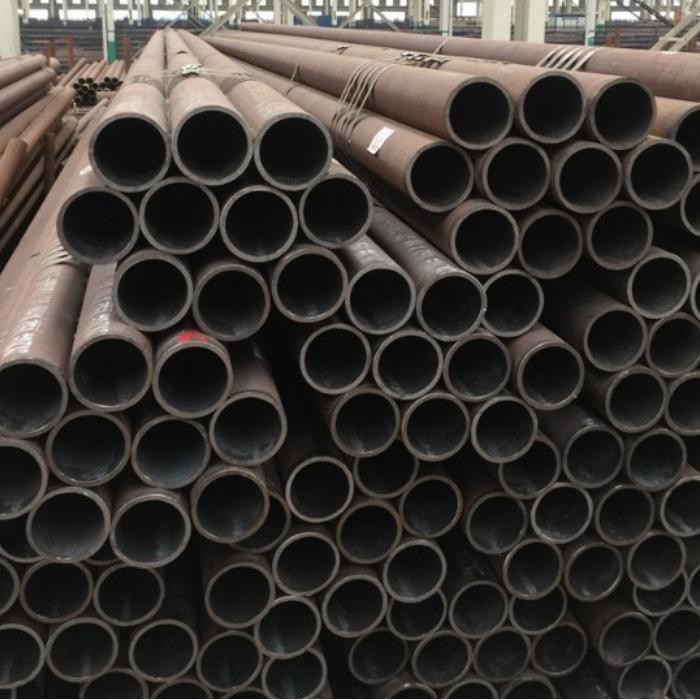
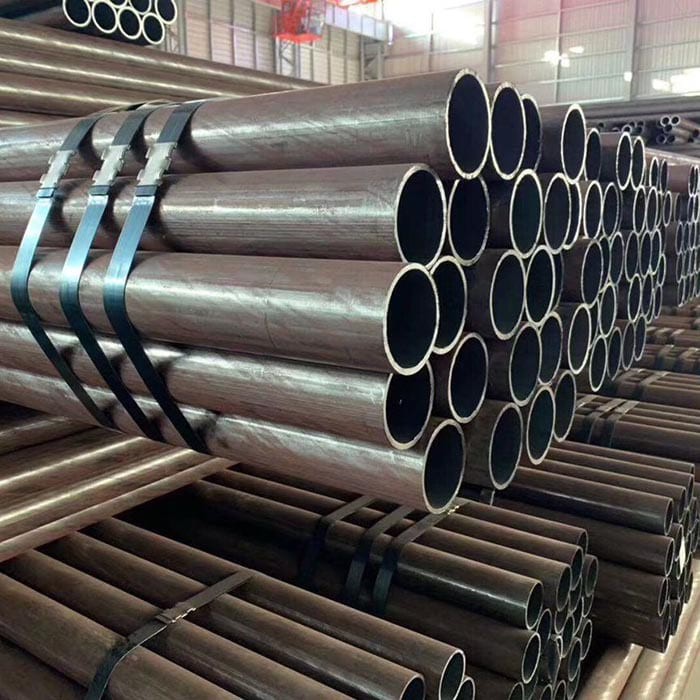
Proper stacking and arrangement of the seamless casing pipes are important to prevent damage and ensure easy access.
- Stacking Height: The stacking height should be limited to prevent excessive pressure on the lower pipes. The maximum stacking height depends on the diameter and wall thickness of the pipes. As a general rule, the height should not exceed the length of the pipes to avoid toppling.
- Support: Adequate support should be provided to the pipes to prevent bending or sagging. Wooden or metal supports can be used to keep the pipes in a straight position. The supports should be placed at regular intervals along the length of the pipes.
- Separation: Pipes of different sizes, grades, and specifications should be stored separately. This makes it easier to identify and retrieve the required pipes when needed. Additionally, separating the pipes can prevent damage that may occur due to contact between pipes of different characteristics.
Monitoring During Storage
Regular monitoring of the stored seamless casing pipes is necessary to detect any potential issues early.
- Visual Inspection: Periodic visual inspections should be carried out to check for signs of rust, corrosion, or damage. Any issues should be addressed immediately to prevent further deterioration.
- Moisture and Temperature Monitoring: Monitoring the moisture and temperature levels in the storage area is crucial. This can be done using hygrometers and thermometers. If the moisture or temperature levels exceed the recommended ranges, appropriate measures should be taken to correct the situation.
Special Considerations for Different Types of Seamless Casing Pipes
- Seamless Steel Pipe Api 5l Pipe: These pipes are designed to meet specific API standards. They are often used in oil and gas transportation. When storing API 5L pipes, it's important to follow the API guidelines for storage. This may include specific requirements for coating, stacking, and inspection.
- Seamless Line Pipe: Seamless line pipes are commonly used for transporting fluids and gases. They require careful storage to maintain their integrity. Similar to other seamless casing pipes, they should be stored in a dry and well - ventilated area. Special attention should be paid to the ends of the pipes, as they are more susceptible to damage.
- Seamless Pipe for Sour Service Nace: These pipes are designed to resist the corrosive effects of sour environments, which contain hydrogen sulfide. However, proper storage is still essential. They should be stored away from other pipes that may contaminate them, and the storage area should be free from any sources of hydrogen sulfide or other corrosive substances.
Handling During Storage and Retrieval
Proper handling of the seamless casing pipes during storage and retrieval is important to prevent damage.
- Lifting Equipment: Appropriate lifting equipment such as cranes or forklifts should be used to move the pipes. The lifting equipment should be in good working condition, and the operators should be trained to handle the pipes safely.
- Avoiding Impact: When moving the pipes, care should be taken to avoid impact with other objects. Impact can cause dents, scratches, or cracks in the pipes, which can compromise their quality.
Documentation
Maintaining proper documentation is essential for seamless casing pipe storage.
- Inventory Records: Detailed inventory records should be kept, including information such as the quantity, size, grade, and location of the pipes. This makes it easier to manage the inventory and track the movement of the pipes.
- Inspection Reports: Records of all inspections carried out during storage should be maintained. These reports can provide valuable information about the condition of the pipes over time and help in identifying any trends or issues.
In conclusion, proper storage of seamless casing pipes is essential for maintaining their quality and integrity. By following the tips outlined in this blog, as a seamless casing pipe supplier, I can ensure that our products reach our customers in the best possible condition. If you are in need of high - quality seamless casing pipes, feel free to contact us for more information and to discuss your specific requirements. We are committed to providing you with the best products and services.
References
- API Standards for Pipe Storage and Handling.
- NACE International Guidelines for Corrosion Prevention in Pipe Storage.
- Industry Best Practices for Seamless Casing Pipe Storage.