

As a supplier of rectangular pipes, I understand the challenges that come with maintaining the optimal functionality of these essential components. Clogging in rectangular pipes can lead to a range of issues, from reduced flow efficiency to costly repairs and downtime. In this blog post, I'll share some practical strategies to prevent clogging in rectangular pipes, drawing on industry knowledge and best practices.
Understanding the Causes of Clogging
Before we delve into prevention methods, it's crucial to understand what causes clogging in rectangular pipes. Several factors can contribute to this problem:
- Debris Accumulation: Over time, debris such as dirt, sand, leaves, and small particles can enter the pipes and accumulate, gradually reducing the internal diameter and restricting flow.
- Corrosion and Rust: In pipes made of metal, corrosion and rust can flake off and form blockages. This is especially common in areas with high humidity or where the pipes are exposed to corrosive substances.
- Scale Buildup: Hard water contains minerals that can precipitate out of the water and form scale on the inner walls of the pipes. This scale buildup can reduce the pipe's cross - sectional area and impede flow.
- Biological Growth: In pipes carrying water or other fluids, bacteria, algae, and fungi can grow and form biofilms. These biofilms can trap debris and further contribute to clogging.
Preventive Maintenance Strategies
Regular Inspection
Regular inspections are the first line of defense against clogging. By visually inspecting the pipes at regular intervals, you can identify early signs of debris accumulation, corrosion, or scale buildup. Look for any signs of reduced flow, such as slower drainage or reduced water pressure. Inspect the joints, bends, and areas where debris is likely to collect. For example, if the pipes are installed outdoors, check for areas where leaves or dirt may be entering the system.
Filtration Systems
Installing filtration systems at the intake points of the rectangular pipes can significantly reduce the amount of debris that enters the pipes. Filters can be designed to capture different sizes of particles, from large debris to fine sediment. For industrial applications, more advanced filtration systems may be required, such as cartridge filters or membrane filters. These filters can be customized based on the specific requirements of the application, ensuring that only clean fluid enters the pipes.
Chemical Treatment
In cases where scale buildup or biological growth is a concern, chemical treatment can be an effective preventive measure. For scale prevention, water softeners can be used to remove the minerals that cause scale formation. These devices work by exchanging calcium and magnesium ions in the water with sodium ions. For biological growth control, biocides can be added to the fluid to kill bacteria, algae, and fungi. However, it's important to use these chemicals carefully, as improper use can lead to environmental issues and damage to the pipes.
Proper Installation
Proper installation of rectangular pipes is crucial for preventing clogging. Pipes should be installed at the correct slope to ensure proper drainage. A slope of at least 1/4 inch per foot is generally recommended for gravity - fed systems. Additionally, avoid sharp bends and elbows in the pipe layout, as these can cause debris to accumulate. Use smooth - walled pipes whenever possible to reduce the likelihood of debris sticking to the inner walls.
Routine Cleaning
Regular cleaning of the rectangular pipes is essential to remove any accumulated debris or scale. This can be done using mechanical cleaning methods, such as using a pipe snake or a high - pressure water jet. A pipe snake is a long, flexible rod with a corkscrew or hook at the end that can be inserted into the pipe to break up and remove blockages. High - pressure water jetting uses a powerful stream of water to flush out debris and clean the inner walls of the pipes.
Choosing the Right Rectangular Pipes
Selecting the appropriate rectangular pipes for your application is also an important factor in preventing clogging. Consider the following:
-
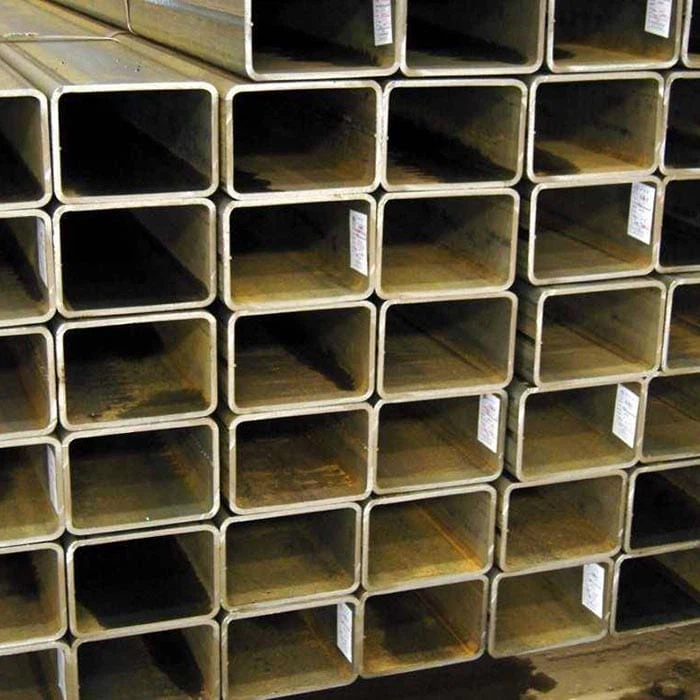
Material: Choose a pipe material that is resistant to corrosion and scale buildup. For example, stainless steel pipes are highly resistant to corrosion and are a good choice for applications where the pipes are exposed to harsh environments. PVC pipes are lightweight, inexpensive, and resistant to chemical corrosion, making them suitable for many residential and commercial applications.

-
Size: Select the correct pipe size based on the flow requirements of your system. Using pipes that are too small can lead to increased flow velocity and more rapid debris accumulation. On the other hand, using pipes that are too large can be costly and may not be necessary for the application.
-
Quality Standards: Ensure that the rectangular pipes you purchase meet industry standards. For high - quality rectangular pipes, you can refer to ASTM A500 Square and Rectangular Steel Pipe. These standards ensure that the pipes have the required strength, durability, and dimensional accuracy.
Monitoring and Control
Implementing a monitoring system can help you detect any changes in the pipe's performance and take proactive measures to prevent clogging. Flow meters can be installed to measure the flow rate of the fluid in the pipes. Any significant decrease in flow rate can indicate a potential clog. Pressure sensors can also be used to monitor the pressure within the pipes. An increase in pressure can be a sign of a blockage.
Conclusion
Preventing clogging in rectangular pipes requires a comprehensive approach that includes regular inspection, proper installation, the use of filtration and chemical treatment, routine cleaning, and the selection of the right pipes. By following these strategies, you can ensure the optimal performance of your rectangular pipes, reduce the risk of costly repairs and downtime, and extend the lifespan of your piping system.
If you're in the market for high - quality rectangular pipes, we offer a wide range of options, including Rectangular Steel Tube and 2x2 Square Tubing 20 Ft. Our pipes are manufactured to the highest standards and are designed to meet the diverse needs of our customers. Whether you're working on a residential, commercial, or industrial project, we can provide you with the right rectangular pipes and support to prevent clogging and ensure long - term performance. Contact us today to discuss your specific requirements and start a procurement negotiation.
References
- "Handbook of Pipe Systems" by C. H. Heldman
- "Pipe Design and Engineering" by S. L. Lee
- ASTM International standards for pipe manufacturing