

Steel pipe piles are widely used in various construction projects, such as bridges, buildings, and offshore platforms. However, one of the major challenges faced by steel pipe piles is corrosion, which can significantly reduce their service life and structural integrity. As a steel pipe piles supplier, I understand the importance of improving the anti - corrosion performance of our products. In this blog, I will share some effective methods to enhance the anti - corrosion ability of steel pipe piles.
Understanding the Corrosion Mechanism of Steel Pipe Piles
Before discussing how to improve anti - corrosion performance, it is essential to understand the corrosion mechanism of steel pipe piles. Corrosion of steel is an electrochemical process that occurs when steel is exposed to an electrolyte, such as water or soil. In the presence of oxygen and water, iron in the steel reacts with oxygen to form iron oxide (rust). The rate of corrosion depends on several factors, including the composition of the steel, the environment (pH, temperature, and salinity), and the presence of contaminants.
Selection of High - Quality Steel Materials
The first step in improving the anti - corrosion performance of steel pipe piles is to select high - quality steel materials. Some types of steel are more resistant to corrosion than others. For example, stainless steel contains chromium, which forms a passive oxide layer on the surface of the steel, preventing further corrosion. However, stainless steel is relatively expensive, so it may not be suitable for all applications.
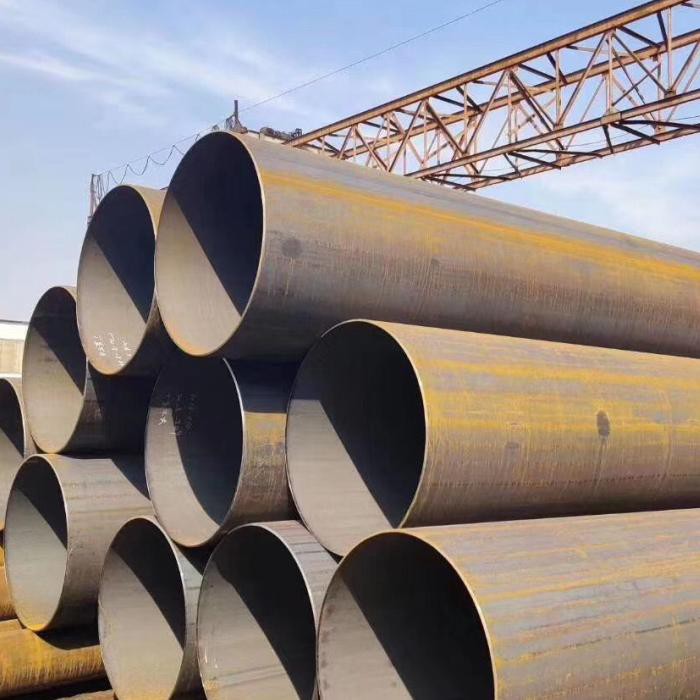

Another option is to use low - alloy steel, which contains small amounts of alloying elements such as copper, nickel, and phosphorus. These elements can improve the corrosion resistance of the steel by forming a protective layer on the surface. As a supplier, we offer a variety of steel pipe piles made from different materials, including ASTM A252 Steel Pipe Casing and ASTM A671 Pipe, which have good corrosion - resistant properties and are widely used in different construction projects.
Surface Treatment
Surface treatment is an effective way to improve the anti - corrosion performance of steel pipe piles. There are several common surface treatment methods:
Galvanizing
Galvanizing is a process of coating the steel pipe piles with a layer of zinc. Zinc is more reactive than iron, so when the zinc coating is exposed to the environment, it corrodes preferentially, protecting the underlying steel. Galvanized steel pipe piles can provide long - term corrosion protection, especially in mild to moderately corrosive environments. The thickness of the zinc coating can be adjusted according to the specific requirements of the project.
Painting
Painting is another widely used surface treatment method. A high - quality paint system can form a physical barrier between the steel and the environment, preventing oxygen and water from reaching the steel surface. When choosing a paint, it is important to consider the environmental conditions, such as the level of humidity, temperature, and exposure to chemicals. For example, epoxy paints are often used in marine environments due to their excellent adhesion and corrosion resistance.
Fusion - Bonded Epoxy Coating (FBE)
FBE is a thermosetting polymer coating that is applied to the steel pipe piles by electrostatic spraying. The coating is then heated to melt and bond to the steel surface, forming a hard, durable, and corrosion - resistant layer. FBE coatings are widely used in pipelines and offshore structures because of their high - performance anti - corrosion properties and good abrasion resistance.
Cathodic Protection
Cathodic protection is a technique used to control the corrosion of steel pipe piles by making the steel the cathode of an electrochemical cell. There are two main types of cathodic protection: sacrificial anode cathodic protection and impressed current cathodic protection.
Sacrificial Anode Cathodic Protection
In sacrificial anode cathodic protection, a more reactive metal (such as zinc or aluminum) is connected to the steel pipe piles. The sacrificial anode corrodes instead of the steel, providing protection. This method is relatively simple and cost - effective, but it has a limited lifespan because the sacrificial anode will be consumed over time.
Impressed Current Cathodic Protection
Impressed current cathodic protection uses an external power source to supply a direct current to the steel pipe piles, making them the cathode. An inert anode is used to complete the electrical circuit. This method can provide long - term and more precise corrosion protection, especially in large - scale projects or highly corrosive environments.
Environmental Control and Monitoring
In addition to using the above methods, environmental control and monitoring are also important for improving the anti - corrosion performance of steel pipe piles. For example, in some cases, it may be possible to control the pH of the soil or water around the steel pipe piles to reduce the corrosion rate. Regular monitoring of the corrosion status of the steel pipe piles can help detect any early signs of corrosion and take timely measures to prevent further damage. Non - destructive testing methods, such as ultrasonic testing and magnetic particle testing, can be used to detect internal and surface defects in the steel pipe piles.
Design Considerations
Proper design can also contribute to the anti - corrosion performance of steel pipe piles. For example, avoiding crevices and sharp corners in the design can reduce the accumulation of water and debris, which can cause localized corrosion. Adequate drainage should be provided to prevent water from standing around the steel pipe piles. In addition, the spacing between the steel pipe piles should be designed to ensure good ventilation and prevent the formation of a stagnant environment.
Conclusion
Improving the anti - corrosion performance of steel pipe piles is a comprehensive task that requires a combination of material selection, surface treatment, cathodic protection, environmental control, and proper design. As a steel pipe piles supplier, we are committed to providing high - quality products with excellent anti - corrosion properties. Our LSAW Line Pipe is produced with advanced manufacturing processes and strict quality control, ensuring its reliability and durability in different environments.
If you are interested in our steel pipe piles or have any questions about anti - corrosion solutions, please feel free to contact us for procurement and further discussion. We are always ready to provide you with professional advice and high - quality products.
References
- Fontana, M. G. (1986). Corrosion Engineering. McGraw - Hill.
- Uhlig, H. H., & Revie, R. W. (1985). Corrosion and Corrosion Control: An Introduction to Corrosion Science and Engineering. Wiley - Interscience.
- NACE International. (2016). Corrosion Basics: An Introduction. NACE International.