

When embarking on a construction or fabrication project that requires rectangular pipes, selecting the appropriate type is crucial for ensuring the success and longevity of the endeavor. As a seasoned rectangular pipe supplier, I've witnessed firsthand the impact of making the right - or wrong - choice in pipe selection. In this blog post, I'll guide you through the key factors to consider when choosing the right rectangular pipe for your project.
1. Project Requirements
The first step in choosing the right rectangular pipe is to clearly understand the requirements of your project. Consider the following aspects:
- Load - Bearing Capacity: Determine the amount of weight and stress the pipe will need to support. For structural applications such as building frames or bridges, a high - strength pipe is essential. For example, in a multi - story building project, the rectangular pipes used in the framework must be able to withstand significant vertical and horizontal loads.
- Corrosion Resistance: If the pipe will be exposed to harsh environmental conditions, such as moisture, chemicals, or saltwater, corrosion resistance becomes a top priority. Stainless steel pipes are an excellent choice in such scenarios as they offer superior corrosion protection. For instance, in a coastal construction project, the pipes used for outdoor handrails or fencing should be corrosion - resistant to prevent rusting over time.
- Aesthetic Appeal: In some cases, the appearance of the pipe matters. Architectural projects, for example, may call for pipes with a smooth finish and a specific color or texture. A modern building facade might require rectangular pipes with a polished surface to enhance its visual appeal.
2. Material Selection
Rectangular pipes are available in a variety of materials, each with its own unique properties and advantages.
- Steel: Steel pipes are one of the most commonly used types due to their strength, durability, and affordability. Rectangular Steel Tube and Square Steel Tube are popular choices for structural applications. Carbon steel is a cost - effective option for general construction, while alloy steel offers enhanced strength and performance in high - stress environments.
- Stainless Steel: Stainless steel pipes are highly resistant to corrosion, making them suitable for applications where moisture or chemicals are present. They are often used in the food and beverage industry, as well as in marine and coastal structures. The high chromium content in stainless steel forms a protective oxide layer on the surface, preventing rust and corrosion.
- Aluminum: Aluminum pipes are lightweight, corrosion - resistant, and easy to work with. They are ideal for applications where weight is a concern, such as in aerospace or automotive industries. Aluminum also has a good strength - to - weight ratio, which means it can provide sufficient support while keeping the overall weight of the structure down.
3. Dimensions and Specifications
The dimensions and specifications of the rectangular pipe can significantly affect its performance in a project.

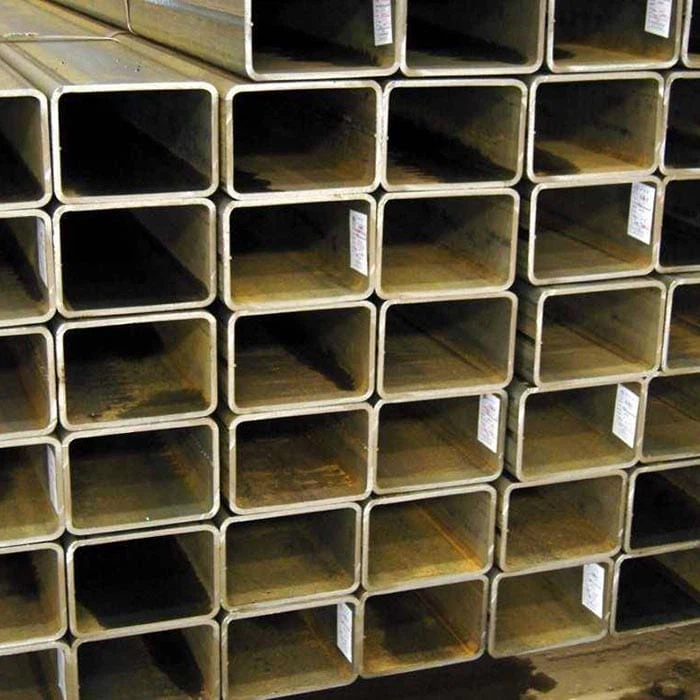
- Size: Measure the length, width, and height of the space where the pipe will be used to determine the appropriate size. Common sizes for rectangular pipes range from small tubes used in furniture making to large - scale pipes for industrial construction. For example, 2x2 Square Tubing 20 Ft is a popular choice for many DIY and small - scale construction projects.
- Wall Thickness: The wall thickness of the pipe determines its strength and durability. Thicker walls can withstand higher loads and pressures, but they also come at a higher cost. Consider the load - bearing requirements of your project when choosing the wall thickness. In a heavy - duty industrial application, a pipe with a thicker wall may be necessary to ensure safety and reliability.
- Tolerance: Tolerance refers to the allowable variation in the dimensions of the pipe. Tighter tolerances are required for applications that demand high precision, such as in machinery manufacturing. Make sure to check the tolerance specifications of the pipe to ensure it meets the requirements of your project.
4. Manufacturing Process
The manufacturing process of the rectangular pipe can also impact its quality and performance.
- Welded Pipes: Welded pipes are made by welding two or more pieces of metal together. They are generally more cost - effective than seamless pipes and are available in a wide range of sizes and materials. However, the weld seam can be a potential weak point, especially in high - stress applications.
- Seamless Pipes: Seamless pipes are manufactured without a weld seam, which makes them stronger and more reliable in high - pressure and high - temperature environments. They are often used in the oil and gas industry, as well as in power generation plants. However, seamless pipes are more expensive to produce and may have longer lead times.
5. Supplier Reputation
Choosing a reliable supplier is as important as selecting the right pipe. A reputable supplier can provide high - quality products, technical support, and timely delivery.
- Quality Assurance: Look for a supplier that has a strict quality control system in place. This ensures that the pipes you receive meet the required standards and specifications. A good supplier will also provide certificates of quality and testing results upon request.
- Industry Experience: An experienced supplier is more likely to have a deep understanding of the market and the different types of rectangular pipes available. They can offer valuable advice and recommendations based on your project requirements.
- Customer Service: Excellent customer service is crucial when dealing with a supplier. A responsive and helpful supplier can address your concerns promptly and ensure a smooth purchasing process.
6. Cost Considerations
While cost should not be the only factor in your decision - making process, it is an important consideration.
- Initial Cost: Compare the prices of different types of rectangular pipes from various suppliers. Keep in mind that the cheapest option may not always be the best in terms of quality and performance.
- Long - Term Cost: Consider the long - term cost of the pipe, including maintenance, repair, and replacement costs. A higher - quality pipe may have a higher initial cost but can save you money in the long run by reducing the need for frequent repairs and replacements.
Contact for Procurement
Selecting the right rectangular pipe for your project is a complex process that requires careful consideration of multiple factors. As a professional rectangular pipe supplier, I am committed to helping you make the best choice. If you have any questions or need further assistance in choosing the right rectangular pipe for your project, or if you are ready to start procurement discussions, feel free to reach out. Engaging in detailed discussions with me will allow us to tailor the solution precisely to your project's needs.
References
- American Society of Civil Engineers (ASCE). "Structural Steel Building Design and Construction Standards."
- American Iron and Steel Institute (AISI). "Specification for the Design of Cold - Formed Steel Structural Members."
- Aluminum Association. "Aluminum Design Manual."