

Hey there! I'm a supplier of seamless line pipes, and I've been in this game for quite a while. Today, I wanna chat about how production capacity affects the market supply of seamless line pipes. It's a topic that's super important in our industry, and I've got a lot of real - life experience to share.
Let's start with the basics. Production capacity is basically how much of a product a company can make in a given period. For us seamless line pipe suppliers, it includes factors like the number of production lines, the efficiency of our machinery, and the skills of our workforce. When our production capacity is high, we're in a great position to meet the market's demand.
One of the biggest impacts of high production capacity is on the volume of supply. When we can crank out a large number of seamless line pipes, the overall supply in the market goes up. For example, if we recently upgraded our production facilities and added a new production line, suddenly we can produce twice as many pipes as before. This influx of pipes can have a significant effect on the market. There's more product available for construction projects, oil and gas pipelines, and other industries that rely on these pipes.
If the demand in the market remains relatively stable while our production capacity increases, we'll see a surplus of seamless line pipes. This surplus can lead to a drop in prices as suppliers compete to sell their products. It's a classic case of supply and demand economics. On the other hand, if the market is growing and the demand for seamless line pipes is increasing rapidly, a high production capacity allows us to keep up with that demand. We can ensure that projects don't get delayed due to a shortage of materials.
Another aspect is the quality of the pipes. A well - managed production process with high capacity doesn't just mean more pipes; it can also mean better quality. When we have the resources and the scale, we can invest in advanced technology and quality control measures. For instance, we can afford to install state - of - the - art testing equipment to check the integrity of every single pipe we produce. This high - quality supply can attract more customers to our products. Many industries, especially the oil and gas industry, require high - quality seamless line pipes that meet strict standards. And when we can offer them, we gain a competitive edge in the market.
But it's not all rosy. There are also challenges when it comes to high production capacity. One of the main issues is the cost of maintaining and operating the production facilities. We need to keep our machinery in top shape, which means regular maintenance and sometimes expensive repairs. There's also the cost of raw materials. If we increase production capacity but the price of steel (our main raw material) goes up, our profit margins can get squeezed.
On the flip side, low production capacity can also have a huge impact on the market supply. When we don't have the ability to produce enough pipes, there will be a shortage in the market. This shortage can drive up prices as customers are willing to pay more to get their hands on the pipes they need. Some projects might have to be put on hold because there aren't enough materials available. As a supplier, low production capacity can damage our reputation. Customers who rely on us for a consistent supply of seamless line pipes will be disappointed if we can't meet their orders.
In my experience, balancing production capacity is crucial. We need to carefully analyze the market trends. For example, by looking at industry reports and talking to our customers, we try to predict the future demand for seamless line pipes. If we expect a boom in construction projects in the next few years, we might consider expanding our production capacity. But we also have to be cautious not to overdo it. Overexpanding can lead to overproduction and financial losses.
Let's talk about the flexibility of production capacity. A flexible production system allows us to adjust our output according to the market conditions. For example, if there's a sudden increase in demand for API 5L seamless steel pipes, we can quickly re - allocate our resources to produce more of these specific pipes. This kind of flexibility is what sets successful suppliers apart in the market.
One way we enhance our flexibility is by having a diverse range of production equipment. We can use different machines to produce various types of seamless line pipes. This also helps us in catering to different customer requirements. Some customers might need pipes with specific alloy compositions, and with a well - equipped production facility, we can produce alloy seamless pipes in stock to meet their needs.
In addition to market supply and demand, production capacity also affects our relationships with suppliers and customers. With high production capacity, we can negotiate better deals with our raw material suppliers because we're buying in larger quantities. This can result in cost savings, which we can either pass on to our customers or use to improve our profit margins. On the customer side, a reliable supply of seamless line pipes due to high production capacity can strengthen our long - term partnerships.
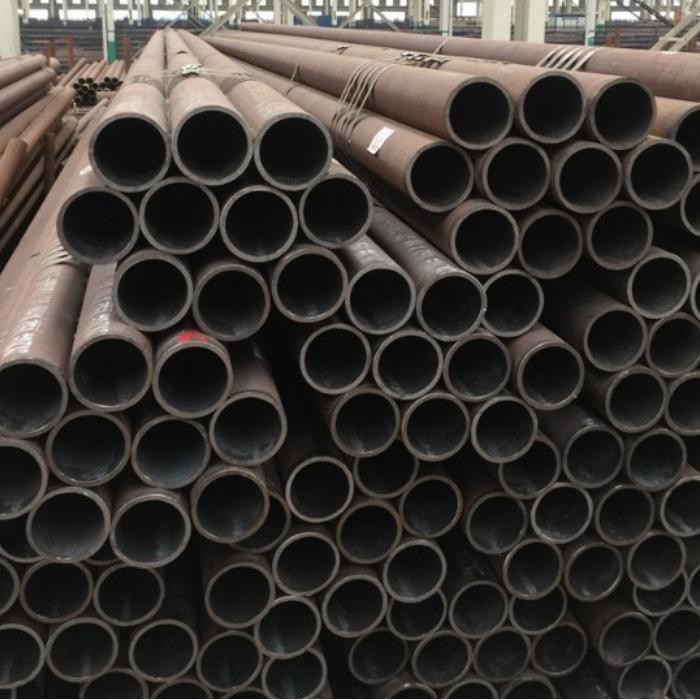

To sum it all up, production capacity is a key factor in determining the market supply of seamless line pipes. It impacts the volume, quality, and price of the pipes in the market. As a supplier, we need to carefully manage our production capacity to balance the market conditions, control costs, and maintain good relationships with our partners.
If you're in the market for seamless line pipes, and you're looking for a reliable supplier who can meet your needs, whether it's high - quality pipes or a large quantity, don't hesitate to reach out. We're here to have a chat about your requirements and see how we can work together.
References
- Industry reports on the seamless line pipe market
- Personal experience in the seamless line pipe supply business