

As a seamless boiler tube supplier, I've witnessed firsthand the importance of understanding how these tubes perform under various conditions. One particular area of interest is their performance in low - flow conditions. In this blog post, I'll delve into the intricacies of how seamless boiler tubes fare when the flow rate is reduced, exploring the technical aspects, potential challenges, and the solutions we offer.
Understanding Low - Flow Conditions in Boiler Systems
Low - flow conditions in boiler systems can occur for several reasons. It could be due to a malfunction in the pumping system, a deliberate reduction in boiler output to match lower energy demands, or clogging in the pipes. When the flow rate drops, the behavior of the fluid inside the seamless boiler tubes changes significantly.
Under normal flow conditions, the fluid moves smoothly through the tubes, efficiently transferring heat from the combustion chamber to the water or steam. However, in low - flow scenarios, the fluid velocity decreases, which can lead to a variety of issues. One of the primary concerns is the formation of stagnant zones within the tubes. These stagnant areas can cause localized overheating, as the heat transfer from the tube wall to the fluid is less efficient when the fluid is not flowing properly.
Heat Transfer in Low - Flow Conditions
Heat transfer is a critical function of seamless boiler tubes. In a well - functioning system, the tubes are designed to transfer heat from the hot combustion gases on the outside to the fluid (water or steam) on the inside. In low - flow conditions, the heat transfer coefficient decreases. The heat transfer coefficient is a measure of how effectively heat is transferred between the tube wall and the fluid. When the flow rate is low, the boundary layer of the fluid adjacent to the tube wall becomes thicker. This thicker boundary layer acts as an insulator, reducing the rate of heat transfer.
As a result, the tube wall temperature can rise significantly. If the tube wall temperature exceeds the material's allowable limit, it can lead to material degradation, such as creep and fatigue. Creep is the slow, continuous deformation of a material under a constant load at high temperatures, while fatigue is the weakening of the material due to repeated stress cycles. These phenomena can ultimately lead to tube failure, which is a costly and dangerous problem in a boiler system.
Corrosion and Erosion in Low - Flow Conditions
Another significant issue in low - flow conditions is the increased risk of corrosion and erosion. Corrosion occurs when the metal in the seamless boiler tubes reacts with the fluid or the environment. In low - flow situations, the fluid may not be able to carry away the corrosive by - products effectively. This can lead to the accumulation of corrosive substances on the tube wall, accelerating the corrosion process.
Erosion, on the other hand, is the wearing away of the tube wall due to the impact of solid particles in the fluid. When the flow rate is low, these particles may settle on the tube wall instead of being carried away by the flowing fluid. The settled particles can cause abrasion, especially in areas where the fluid flow is turbulent, further weakening the tube wall.
Our Solutions as a Seamless Boiler Tube Supplier
At our company, we understand the challenges that low - flow conditions pose to seamless boiler tubes. That's why we offer a range of high - quality seamless boiler tubes designed to withstand these difficult conditions. Our tubes are made from premium materials with excellent heat resistance and corrosion resistance properties.
We also provide customized solutions based on our customers' specific needs. For example, if a customer is experiencing low - flow issues in their boiler system, we can recommend tubes with a different internal diameter or surface finish to improve the flow characteristics. Additionally, we offer tubes with advanced coatings that can enhance the corrosion and erosion resistance of the tubes.
One of the key products we offer is our Alloy Seamless Pipe In Stock. These alloy pipes are made from high - grade alloys that have superior mechanical properties and heat resistance. They are suitable for use in boiler systems operating under low - flow conditions, as they can better withstand the high temperatures and stresses associated with these situations.
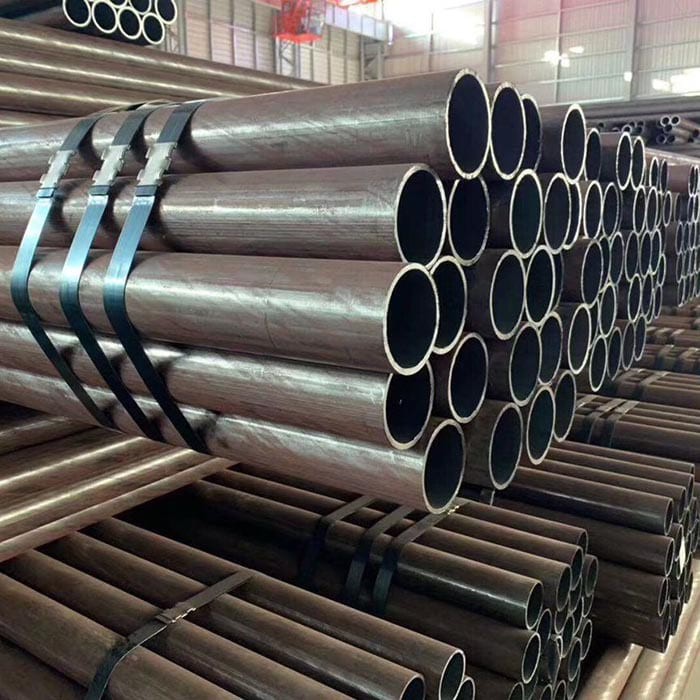
Our Seamless Boiler Tube products are manufactured using state - of - the - art technology to ensure consistent quality and performance. We adhere to strict quality control standards throughout the manufacturing process, from the selection of raw materials to the final inspection of the finished tubes. This ensures that our tubes meet or exceed the industry's requirements for safety and reliability.
Monitoring and Maintenance in Low - Flow Conditions
To mitigate the risks associated with low - flow conditions, regular monitoring and maintenance are essential. We recommend installing flow meters and temperature sensors in the boiler system to continuously monitor the flow rate and tube wall temperature. By closely monitoring these parameters, operators can detect any signs of low - flow conditions early and take appropriate action.
Maintenance also plays a crucial role. Regular cleaning of the tubes can prevent the accumulation of debris and corrosive substances. Inspections should be carried out to check for signs of corrosion, erosion, and material degradation. If any issues are detected, the tubes should be repaired or replaced promptly to avoid further damage to the boiler system.
The Future of Seamless Boiler Tubes in Low - Flow Conditions
As the demand for energy efficiency and flexibility in boiler systems increases, the performance of seamless boiler tubes in low - flow conditions will become even more important. We are constantly researching and developing new materials and manufacturing techniques to improve the performance of our tubes. For example, we are exploring the use of advanced alloys and nanocomposite coatings that can provide better heat transfer and corrosion resistance.
In addition, we are working on developing smart tubes that can monitor their own performance in real - time. These smart tubes could be equipped with sensors that detect changes in temperature, pressure, and flow rate, and transmit this data to a central control system. This would allow for more proactive maintenance and better management of the boiler system.

Conclusion
In conclusion, seamless boiler tubes face significant challenges in low - flow conditions, including reduced heat transfer, increased corrosion and erosion, and the risk of material degradation. However, as a Seamless Boiler Tube supplier, we are committed to providing high - quality products and solutions to address these issues. Our Alloy Seamless Pipe In Stock and other products are designed to withstand the harsh conditions of low - flow operation.
If you are facing challenges with your boiler system in low - flow conditions, or if you are looking for reliable seamless boiler tubes, we invite you to contact us for a consultation. Our team of experts can help you select the right tubes for your specific needs and provide you with the support and advice you need to ensure the long - term performance of your boiler system. You can also explore our wide range of products on our website, including Seamless Pipe in China. We look forward to working with you to optimize your boiler system's performance.
References
- Incropera, F. P., & DeWitt, D. P. (2002). Fundamentals of Heat and Mass Transfer. John Wiley & Sons.
- ASME Boiler and Pressure Vessel Code. American Society of Mechanical Engineers.
- Tuthill, R. S. (1999). Boiler Operation Handbook. McGraw - Hill.