

As a supplier of ERW Casing Pipe, I often receive inquiries about the suitability of our products for various applications. One question that comes up frequently is whether ERW Casing Pipe can be used in fire - fighting pipelines. In this blog, I will delve into this topic, exploring the properties of ERW Casing Pipe and its viability for fire - fighting systems.
Understanding ERW Casing Pipe
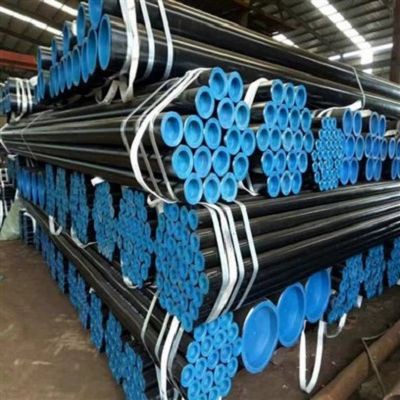
ERW, or Electric Resistance Welded, Casing Pipe is a type of steel pipe that is formed by rolling steel strips and then welding the edges together using electric resistance welding. This manufacturing process results in a pipe with a longitudinal weld seam. ERW Casing Pipe is known for its high strength, good dimensional accuracy, and cost - effectiveness. It is widely used in various industries, including oil and gas, construction, and infrastructure.
There are different standards and types of ERW pipes available. For example, ERW Steel Pipe ASTM A53 Pipe is a popular choice in many applications. ASTM A53 sets the standards for welded and seamless steel pipe for general use. It covers two types of electric - resistance - welded pipe: Type E, which has a longitudinal seam weld, and Type S, which has a spiral seam weld. The Type E is the most common for ERW Casing Pipe.
Another type is ERW Structure Pipe, which is designed for structural applications. It is often used in building frames, bridges, and other structures where strength and durability are required. And ERW Piling Pipe ASTM A252 Steel Pipe is specifically used for piling purposes, providing support for buildings and other structures.
Requirements for Fire - Fighting Pipelines
Fire - fighting pipelines play a crucial role in protecting lives and property from the threat of fire. These pipelines are designed to deliver water or fire - fighting agents to the areas where they are needed most during a fire emergency. To ensure the effectiveness of fire - fighting systems, the pipes used in these pipelines must meet certain requirements.
Pressure Resistance
Fire - fighting systems typically operate at high pressures to ensure that water or fire - fighting agents can be delivered over long distances and to high - rise buildings. The pipes must be able to withstand these high pressures without bursting or leaking. The pressure rating of a pipe depends on its material, wall thickness, and diameter.
Corrosion Resistance
Since fire - fighting pipelines are often filled with water for long periods, they are susceptible to corrosion. Corrosion can weaken the pipes over time, leading to leaks and reduced performance. Therefore, the pipes used in fire - fighting systems must have good corrosion resistance to ensure their long - term reliability.
Durability and Longevity
Fire - fighting pipelines are expected to last for many years without significant degradation. They must be able to withstand environmental factors such as temperature changes, humidity, and mechanical stress. Durable pipes reduce the need for frequent maintenance and replacement, which is essential for the cost - effective operation of fire - fighting systems.
Compatibility with Fire - Fighting Agents
In addition to water, fire - fighting systems may use other fire - fighting agents such as foam or dry chemicals. The pipes must be compatible with these agents to ensure that they do not react with the pipes and cause damage.
Can ERW Casing Pipe Meet the Requirements?
Pressure Resistance
ERW Casing Pipe can be manufactured with different wall thicknesses to meet various pressure requirements. By selecting the appropriate wall thickness and pipe diameter, ERW Casing Pipe can withstand the high pressures typically encountered in fire - fighting systems. The longitudinal weld seam in ERW Casing Pipe is also designed to be strong enough to handle the pressure. However, it is important to ensure that the pipe is properly installed and tested to ensure its pressure - bearing capacity.
Corrosion Resistance
The corrosion resistance of ERW Casing Pipe depends on the type of steel used and any additional coatings or treatments applied. Carbon steel, which is commonly used in ERW Casing Pipe, can be susceptible to corrosion. However, it can be protected by applying coatings such as galvanizing or epoxy coatings. Galvanized ERW Casing Pipe has a zinc coating that provides a sacrificial layer of protection against corrosion. Epoxy coatings can also provide a barrier between the steel and the environment, preventing corrosion.
Durability and Longevity
ERW Casing Pipe is known for its durability. The steel material used in its manufacturing is strong and can withstand mechanical stress. With proper installation and maintenance, ERW Casing Pipe can last for many years in fire - fighting applications. However, it is important to protect the pipes from physical damage during installation and operation.
Compatibility with Fire - Fighting Agents
ERW Casing Pipe made of carbon steel is generally compatible with water, which is the most common fire - fighting agent. For other fire - fighting agents, such as foam or dry chemicals, it is necessary to ensure that the pipe material is compatible. In some cases, additional coatings or linings may be required to prevent chemical reactions between the pipe and the fire - fighting agent.
Advantages of Using ERW Casing Pipe in Fire - Fighting Pipelines
Cost - Effectiveness
Compared to some other types of pipes, such as seamless pipes, ERW Casing Pipe is more cost - effective. The manufacturing process of ERW Casing Pipe is relatively simple, which reduces production costs. This cost advantage can be significant, especially for large - scale fire - fighting projects.

Availability
ERW Casing Pipe is widely available in the market. As a supplier, I can offer a variety of sizes and specifications to meet the specific needs of fire - fighting projects. This availability ensures that projects can be completed on time without delays due to pipe shortages.
Ease of Installation
ERW Casing Pipe is relatively easy to install. It can be cut, welded, and connected using standard pipe - fitting techniques. This ease of installation reduces the labor costs and time required for fire - fighting pipeline installation.
Considerations and Limitations
While ERW Casing Pipe has many advantages for fire - fighting pipelines, there are also some considerations and limitations.
Weld Quality
The quality of the weld in ERW Casing Pipe is crucial. A poor - quality weld can lead to leaks or failures under high pressures. It is important to ensure that the pipes are manufactured by a reputable supplier that follows strict quality control measures.
Code Compliance
Fire - fighting systems are subject to various codes and standards. Before using ERW Casing Pipe in fire - fighting pipelines, it is necessary to ensure that the pipes comply with the relevant codes and standards in the specific region or application.
Conclusion
In conclusion, ERW Casing Pipe can be a viable option for fire - fighting pipelines. It has the potential to meet the pressure resistance, corrosion resistance, durability, and compatibility requirements of fire - fighting systems. Its cost - effectiveness, availability, and ease of installation make it an attractive choice for many fire - fighting projects. However, it is important to carefully consider the specific requirements of each project, ensure the quality of the pipes, and comply with relevant codes and standards.
If you are considering using ERW Casing Pipe for your fire - fighting pipeline project, I encourage you to contact me for more information. I can provide you with detailed product specifications, technical support, and competitive pricing. Let's work together to ensure the success of your fire - fighting project.
References
- ASTM International. ASTM A53/A53M - 21, Standard Specification for Pipe, Steel, Black and Hot - Dipped, Zinc - Coated, Welded and Seamless.
- ASTM International. ASTM A252/A252M - 20, Standard Specification for Welded and Seamless Steel Pipe Piles.