

Can steel pipe piles be used in slope stabilization projects? Well, that's a question I get asked a lot as a supplier of Steel Pipe Piles. And let me tell you, the answer is a resounding yes! In this blog, I'm gonna break down why steel pipe piles are a great option for slope stabilization, what types are best, and how you can get in touch to discuss your project needs.
First off, let's talk about why steel pipe piles are so good for slope stabilization. Slopes are tricky things. They're constantly under the influence of gravity, water, and soil movement. Over time, these forces can cause slopes to become unstable, leading to landslides, erosion, and all sorts of headaches. That's where steel pipe piles come in.
Steel pipe piles are strong, durable, and can withstand a lot of pressure. They're driven deep into the ground, providing a solid foundation for the slope. This helps to prevent soil movement and keeps the slope stable. Plus, steel is resistant to corrosion, which means the piles will last a long time, even in harsh environmental conditions.
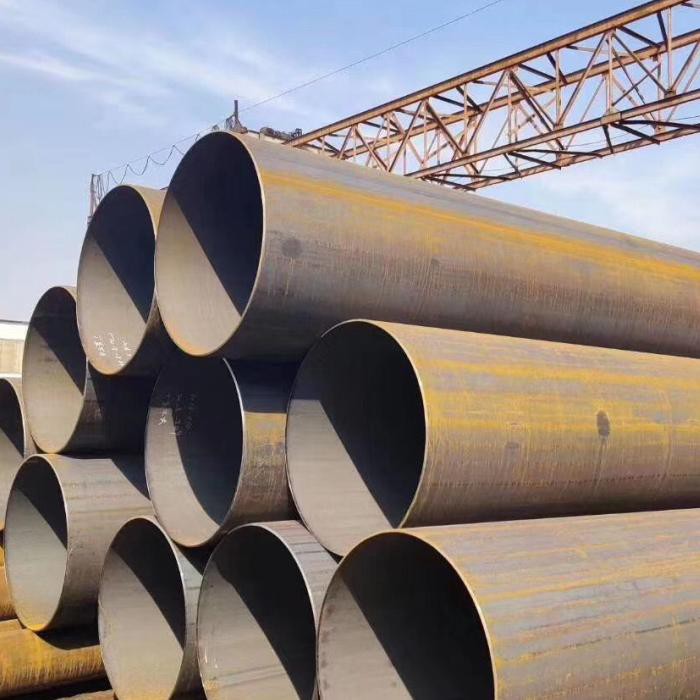
One of the great things about steel pipe piles is their versatility. There are different types of steel pipe piles available, each with its own unique properties and uses. For example, LSAW Api 5l Steel Pipe is a popular choice for slope stabilization projects. It's made using a longitudinal submerged arc welding process, which makes it strong and reliable. This type of pipe is often used in offshore and onshore oil and gas projects, as well as in civil engineering applications like slope stabilization.
Another option is Structural Steel Pipe. This type of pipe is designed for use in structural applications, where strength and stability are key. It's often used in building construction, bridges, and other large-scale projects. In slope stabilization, structural steel pipe can be used to create a framework that supports the slope and prevents it from collapsing.
ASTM A252 Steel Pipe Casing is also a good choice for slope stabilization. This type of pipe is used primarily for casing wells, but it can also be used in other applications where a strong, durable pipe is needed. In slope stabilization, ASTM A252 steel pipe casing can be used to reinforce the soil and prevent it from shifting.
Now, let's talk about the installation process. Installing steel pipe piles for slope stabilization is a bit different than installing them for other applications. The first step is to conduct a site investigation to determine the soil conditions and the stability of the slope. This will help to determine the size and type of piles that are needed.
Once the site investigation is complete, the next step is to prepare the site. This may involve clearing the area, grading the slope, and installing any necessary drainage systems. After the site is prepared, the piles are driven into the ground using a pile driver. The piles are typically driven to a depth that provides sufficient support for the slope.
After the piles are installed, they may be connected together using a variety of methods, such as welding or bolting. This helps to create a continuous structure that provides additional support for the slope. Finally, the area around the piles may be backfilled with soil or other materials to provide additional stability.
So, as you can see, steel pipe piles are a great option for slope stabilization projects. They're strong, durable, and versatile, and they can be installed relatively quickly and easily. If you're considering using steel pipe piles for your next slope stabilization project, I'd love to hear from you.
I've been in the steel pipe pile business for a long time, and I've worked on a variety of slope stabilization projects. I know what it takes to get the job done right, and I can help you choose the right type of piles for your project. Whether you're working on a small residential slope or a large commercial project, I have the expertise and the products you need.

If you're interested in learning more about steel pipe piles for slope stabilization, or if you have any questions about our products or services, please don't hesitate to contact me. I'm here to help you every step of the way, from the initial consultation to the final installation. Let's work together to make your slope stabilization project a success!
References
- "Geotechnical Engineering for Slope Stability" by Craig H. Benson
- "Steel Structures: Design and Behavior" by Sidney S. Easterling
- "Foundation Engineering Handbook" by H. Robert Patton