

As a supplier of seamless casing pipes, I often encounter inquiries about the regulations governing their use. Seamless casing pipes are crucial components in various industries, particularly in oil and gas exploration, construction, and manufacturing. Understanding the regulations surrounding their use is essential for ensuring safety, compliance, and optimal performance. In this blog post, I will delve into the key regulations that apply to the use of seamless casing pipes and their implications for our customers.
International and National Standards
One of the primary sources of regulations for seamless casing pipes is international and national standards. These standards are developed by organizations such as the American Petroleum Institute (API), the International Organization for Standardization (ISO), and national regulatory bodies. They define the technical requirements, testing methods, and quality control measures for seamless casing pipes.
For example, the API 5CT standard specifies the requirements for casing and tubing used in the oil and gas industry. It covers aspects such as chemical composition, mechanical properties, dimensional tolerances, and thread specifications. Compliance with API 5CT ensures that the seamless casing pipes meet the high standards required for use in harsh and demanding environments.
Similarly, the ISO 11960 standard provides guidelines for the technical delivery conditions of seamless steel tubes for casing and tubing. It is widely recognized and adopted in many countries around the world. Adhering to ISO 11960 helps to ensure the quality and reliability of seamless casing pipes, regardless of the geographical location of the project.
In addition to these international standards, many countries have their own national standards and regulations for the use of seamless casing pipes. These standards may be more specific to the local industry requirements, environmental conditions, and safety regulations. For instance, some countries may have stricter regulations regarding the use of seamless casing pipes in offshore oil and gas operations due to the higher risks involved.
Quality Control and Certification
Another important aspect of regulations for seamless casing pipes is quality control and certification. Quality control measures are implemented throughout the manufacturing process to ensure that the pipes meet the specified standards and requirements. This includes raw material inspection, production process monitoring, and final product testing.
Raw material inspection involves verifying the chemical composition and mechanical properties of the steel used to manufacture the seamless casing pipes. This helps to ensure that the pipes have the necessary strength, toughness, and corrosion resistance for their intended use. Production process monitoring includes controlling the temperature, pressure, and other parameters during the manufacturing process to ensure consistent quality.
Final product testing is conducted to verify the compliance of the seamless casing pipes with the relevant standards and specifications. This may include non-destructive testing methods such as ultrasonic testing, magnetic particle testing, and radiographic testing to detect any internal or surface defects. Destructive testing methods such as tensile testing, hardness testing, and impact testing may also be used to determine the mechanical properties of the pipes.
Once the seamless casing pipes have passed all the required tests, they are issued with a certificate of compliance. This certificate serves as proof that the pipes meet the specified standards and requirements. It is an important document for customers, as it provides assurance of the quality and reliability of the pipes.
Environmental and Safety Regulations
In addition to technical standards and quality control, there are also environmental and safety regulations that apply to the use of seamless casing pipes. These regulations are designed to protect the environment and ensure the safety of workers and the public.
Environmental regulations may include requirements for the proper disposal of waste materials generated during the manufacturing process, as well as restrictions on the use of certain chemicals and substances. For example, some countries may have regulations regarding the use of lead-based coatings on seamless casing pipes due to their potential environmental impact.
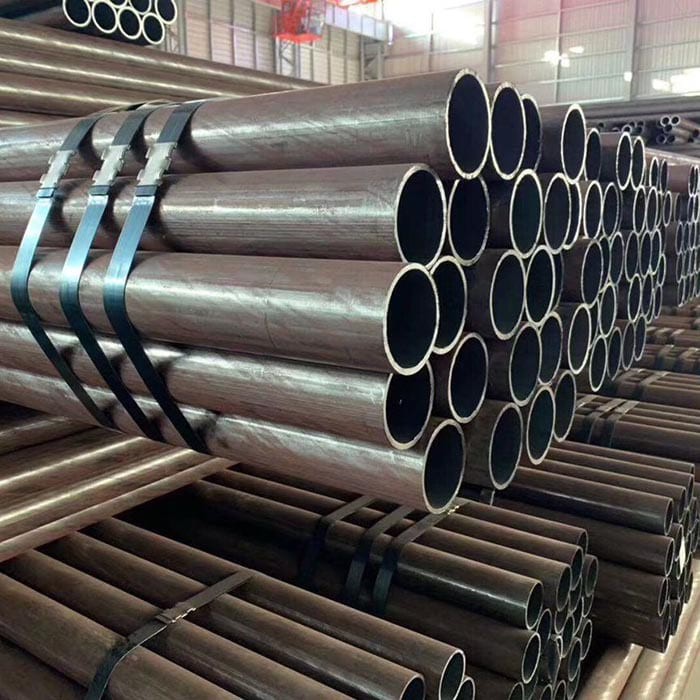
Safety regulations are focused on preventing accidents and ensuring the safe operation of seamless casing pipes. This may include requirements for proper installation, maintenance, and inspection of the pipes. For instance, in the oil and gas industry, there are strict regulations regarding the use of casing pipes to prevent well blowouts and other safety hazards.
Implications for Customers
The regulations for the use of seamless casing pipes have several implications for our customers. Firstly, compliance with these regulations is mandatory in many countries and industries. Failure to comply with the regulations can result in legal consequences, including fines and penalties. Therefore, it is essential for our customers to ensure that the seamless casing pipes they purchase meet the relevant standards and regulations.
Secondly, the regulations help to ensure the quality and reliability of the seamless casing pipes. By adhering to the standards and specifications, we can provide our customers with high-quality pipes that are suitable for their intended use. This reduces the risk of pipe failures and ensures the safe and efficient operation of their projects.
Finally, the regulations also provide a level of assurance to our customers. When they purchase seamless casing pipes from a supplier who complies with the regulations, they can be confident that they are getting a product that has been manufactured to the highest standards. This can help to build trust and long-term relationships with our customers.
Conclusion
In conclusion, there are several regulations that govern the use of seamless casing pipes. These regulations cover aspects such as international and national standards, quality control and certification, environmental and safety requirements. As a supplier of seamless casing pipes, we are committed to ensuring that our products comply with all the relevant regulations.
We understand the importance of providing our customers with high-quality pipes that meet their specific needs and requirements. By adhering to the regulations, we can help our customers to ensure the safety, reliability, and efficiency of their projects.
If you are interested in purchasing seamless casing pipes, we encourage you to [Contact us for procurement discussions]. We have a wide range of Alloy Seamless Pipe In Stock, Seamless Steel Pipe Api 5l Pipe, and Seamless Pipe in China to meet your diverse needs. Our team of experts is available to provide you with technical support and guidance to ensure that you make the right choice for your project.
References
- American Petroleum Institute (API). API 5CT - Specification for Casing and Tubing.
- International Organization for Standardization (ISO). ISO 11960 - Seamless steel tubes for casing and tubing - Technical delivery conditions.
- Various national standards and regulations related to the use of seamless casing pipes.