

Hey there! I'm a supplier of Seamless Line Pipe, and today I wanna have a chat about something super important: the environmental impacts of using seamless line pipes.
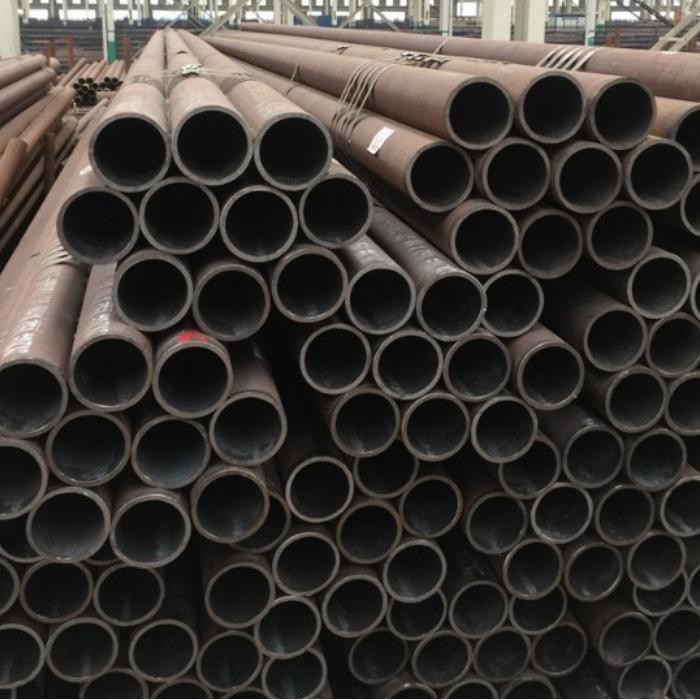
First off, let's understand what seamless line pipes are. Seamless line pipes are used in a whole bunch of industries, like oil and gas, water transportation, and more. They're great because they have a continuous wall without any welds, which makes them strong and reliable. You can check out more about them Seamless Line Pipe.
Manufacturing Impacts
When it comes to the environmental side of things, the manufacturing process of seamless line pipes has its own set of impacts. One of the main things is energy consumption. Making these pipes involves a lot of heat and pressure. The steel has to be heated to extremely high temperatures to be shaped into the right form. This requires a ton of energy, usually from fossil fuels like coal or natural gas. Burning these fuels releases a significant amount of greenhouse gases, like carbon dioxide (CO2), into the atmosphere. And we all know that too much CO2 is a big contributor to global warming.
Another aspect is water usage. Water is used in various stages of the manufacturing process, such as cooling the pipes after they're formed. A large amount of water is needed, and if not managed properly, it can lead to water scarcity in the areas where the manufacturing plants are located. Also, the water that's used often gets contaminated with chemicals and heavy metals from the manufacturing process. If this wastewater isn't treated correctly before being released back into the environment, it can pollute rivers, lakes, and groundwater.
Transportation Impacts
Once the seamless line pipes are manufactured, they need to be transported to their final destinations. This transportation also has environmental consequences. Most of the time, trucks, trains, or ships are used to move these pipes. Trucks and trains that run on diesel fuel emit harmful pollutants like nitrogen oxides (NOx), particulate matter (PM), and carbon monoxide (CO). These pollutants can cause air pollution, which is bad for human health and the environment. It can lead to respiratory problems in people and also damage plants and animals.

Shipping by sea also has its own set of issues. Ships burn heavy fuel oil, which is one of the most polluting fuels out there. It releases large amounts of sulfur dioxide (SO2), which can cause acid rain. Acid rain can damage forests, lakes, and buildings. Plus, there's always the risk of oil spills during transportation, which can have a devastating impact on marine life and coastal ecosystems.
Usage Impacts
When seamless line pipes are in use, there are also potential environmental impacts. In the oil and gas industry, for example, if there's a leak in the pipeline, it can release oil or gas into the environment. Oil spills can contaminate soil, water, and air. They can kill plants and animals, and it can take years for the affected ecosystems to recover. Gas leaks, especially methane, are also a big problem. Methane is a potent greenhouse gas, even more powerful than CO2 in terms of its warming potential.
In water transportation systems, if the pipes corrode over time, they can release metals and other contaminants into the water. This can affect the quality of the water and make it unsafe for drinking or for aquatic life.
Mitigation Measures
But hey, it's not all doom and gloom. There are ways to reduce these environmental impacts. In the manufacturing process, companies can invest in more energy - efficient technologies. For example, using electric arc furnaces instead of traditional blast furnaces can reduce energy consumption and greenhouse gas emissions. Recycling scrap steel can also be a great way to cut down on the need for new raw materials, which in turn reduces the environmental impact of mining and processing.
When it comes to water usage, manufacturers can implement water - recycling systems. By treating and reusing the water, they can significantly reduce their water consumption and minimize the amount of contaminated wastewater that's released into the environment.
In transportation, companies can look into more sustainable options. Using electric or hybrid trucks for short - distance transportation can reduce emissions. For long - distance shipping, new technologies are being developed to make ships more fuel - efficient and to reduce their emissions of pollutants like SO2 and NOx.
During the usage phase, regular inspections and maintenance of the pipelines can help prevent leaks. Using corrosion - resistant materials and coatings can also extend the lifespan of the pipes and reduce the risk of contamination.
Comparing with Other Types of Pipes
It's also worth comparing seamless line pipes with other types of pipes, like Seamless Casing Pipe and Seamless Pipe for Sour Service Nace. Seamless casing pipes are mainly used in oil and gas wells to protect the wellbore. They have similar manufacturing and usage impacts as seamless line pipes. However, because they're used in a more specific and often more protected environment (inside the well), the risk of large - scale environmental damage during usage might be slightly lower.
Seamless pipes for sour service Nace are designed to resist the corrosive effects of sour environments, which contain hydrogen sulfide. The manufacturing process might be more complex and could potentially have higher environmental impacts due to the additional treatments and materials used. But on the flip side, their enhanced corrosion resistance can lead to a longer lifespan and fewer leaks during usage, which is better for the environment in the long run.
Conclusion
So, to sum it all up, using seamless line pipes does have some environmental impacts, from manufacturing to transportation to usage. But with the right mitigation measures, we can significantly reduce these impacts. As a supplier, I'm committed to promoting more sustainable practices in the production and use of our seamless line pipes.
If you're in the market for high - quality seamless line pipes and want to know more about how we're working to minimize the environmental footprint, don't hesitate to reach out. We're here to have a chat about your needs and find the best solutions for you. Let's work together to make the industry more sustainable!
References
- American Iron and Steel Institute. (2023). Environmental Performance of the Steel Industry.
- International Maritime Organization. (2022). Guidelines for Reducing Ship Emissions.
- United States Environmental Protection Agency. (2021). Pipeline Safety and Environmental Protection.