

Are there any environmental impacts during square steel tube production?
As a supplier of square steel tubes, I often get asked about the environmental impacts associated with their production. In this blog post, I'll delve into the various stages of square steel tube production and explore the environmental implications at each step.
Raw Material Extraction
The production of square steel tubes begins with the extraction of raw materials, primarily iron ore and coal. Iron ore mining has significant environmental impacts. Open - pit mining, which is commonly used for iron ore extraction, can lead to large - scale land disturbance. The removal of topsoil and vegetation disrupts local ecosystems, leading to habitat loss for plants and animals. It can also cause soil erosion, which may result in sedimentation in nearby water bodies, affecting water quality and aquatic life.
Coal, another crucial raw material in steel production, is also a major contributor to environmental problems. Coal mining can cause subsidence, which damages the land surface and can lead to the collapse of buildings and infrastructure. The burning of coal releases large amounts of greenhouse gases, such as carbon dioxide and methane, contributing to global warming. Additionally, coal mining operations produce waste materials, including coal ash and tailings, which can contaminate soil and water if not properly managed.
Steelmaking Process
Once the raw materials are extracted, they are transported to steel mills for the steelmaking process. The two main methods of steelmaking are the basic oxygen furnace (BOF) and the electric arc furnace (EAF).

In the BOF method, iron ore is first converted into pig iron in a blast furnace. This process requires large amounts of energy, mainly in the form of coal and coke. The blast furnace emits significant amounts of carbon dioxide, as well as other pollutants such as sulfur dioxide, nitrogen oxides, and particulate matter. These pollutants can have adverse effects on air quality, leading to respiratory problems in humans and damage to plants and ecosystems.
The EAF method, on the other hand, uses scrap steel as the primary raw material. This process is generally more energy - efficient and produces fewer greenhouse gas emissions compared to the BOF method. However, it still requires a significant amount of electricity, which may be generated from fossil fuels in some regions. If the electricity is sourced from coal - fired power plants, the environmental benefits of using the EAF method can be diminished.
Tube Forming and Finishing
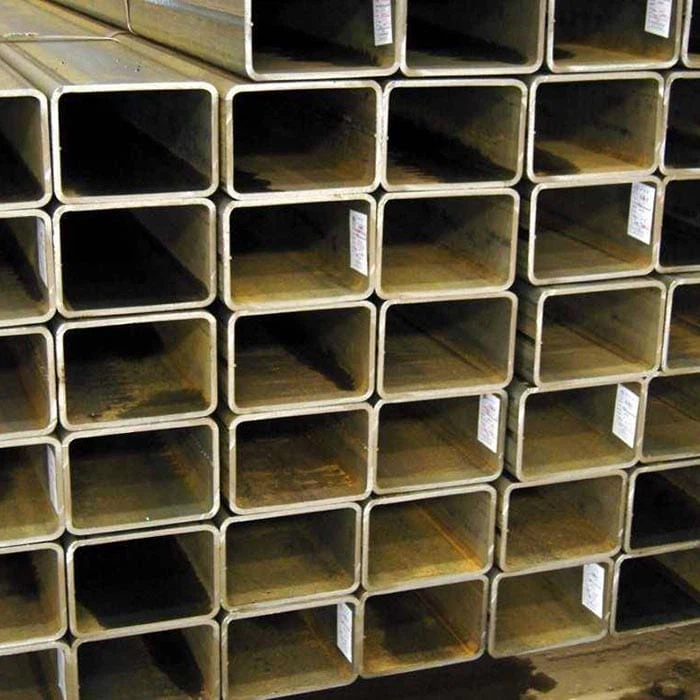
After the steel is produced, it is formed into square steel tubes through processes such as hot rolling or cold drawing. These processes require energy for heating and shaping the steel. The heating process can consume a large amount of energy, and if the energy source is non - renewable, it contributes to environmental degradation.
During the finishing process, square steel tubes may be coated or painted to enhance their corrosion resistance. The chemicals used in these coatings and paints can be harmful to the environment if not properly disposed of. Some coatings contain heavy metals such as lead and chromium, which can contaminate soil and water if they leach into the environment.
Transportation
Once the square steel tubes are manufactured, they need to be transported to customers. The transportation of these products, whether by truck, train, or ship, consumes fuel and emits greenhouse gases. The distance of transportation and the mode of transport can significantly impact the environmental footprint of the square steel tubes. Longer distances and less - efficient modes of transport result in higher emissions.
Mitigating Environmental Impacts
Despite the environmental challenges associated with square steel tube production, there are several ways to mitigate these impacts.
Recycling: Encouraging the use of scrap steel in the steelmaking process can significantly reduce the demand for virgin raw materials. Recycling scrap steel in an EAF can save energy and reduce greenhouse gas emissions. As a supplier, we actively promote the use of recycled steel in our products, such as our Square Steel Tube and Rectangular Steel Tube, which are often made with a high percentage of recycled content.
Energy Efficiency: Steel mills can invest in energy - efficient technologies and equipment to reduce their energy consumption. For example, using advanced furnace designs and heat recovery systems can help to lower the energy requirements of the steelmaking process. We work closely with our manufacturing partners to ensure that they are implementing the latest energy - saving technologies.
Pollution Control: Implementing effective pollution control measures is essential to reduce emissions of pollutants such as sulfur dioxide, nitrogen oxides, and particulate matter. Steel mills can install scrubbers, filters, and other pollution control devices to capture and treat these pollutants before they are released into the environment.
Sustainable Transportation: Choosing more sustainable modes of transportation, such as rail or water transport, can reduce the carbon footprint of transporting square steel tubes. We also try to optimize our logistics to minimize the distance of transportation and reduce emissions. For instance, we offer 2x2 Square Tubing 20 Ft to customers in a way that maximizes the efficiency of our delivery routes.
Conclusion
In conclusion, square steel tube production does have environmental impacts at various stages, from raw material extraction to transportation. However, by implementing sustainable practices such as recycling, energy efficiency, pollution control, and sustainable transportation, these impacts can be significantly reduced.
As a supplier of square steel tubes, we are committed to minimizing the environmental footprint of our products. We believe that it is our responsibility to not only provide high - quality square steel tubes but also to contribute to a more sustainable future.
If you are interested in purchasing our square steel tubes or have any questions about our environmental initiatives, please feel free to contact us for a detailed discussion. We look forward to working with you to meet your steel tube needs in an environmentally responsible way.
References
- American Iron and Steel Institute. (2023). Environmental Performance of the U.S. Steel Industry.
- World Steel Association. (2023). Steel and Sustainability Report.
- United Nations Environment Programme. (2023). Global Resources Outlook.