

As a supplier of rectangular pipes, I've often been asked whether rectangular pipes are suitable for use in high - altitude areas. This question is not only relevant but also crucial for various construction and engineering projects that are planned in such challenging environments. In this blog post, I'll delve into the factors that make rectangular pipes a viable or non - viable option for high - altitude applications.
Understanding the High - Altitude Environment
High - altitude areas are characterized by several unique environmental conditions. The most prominent ones include lower air pressure, lower oxygen levels, extreme temperature variations, and increased exposure to ultraviolet (UV) radiation. These factors can significantly impact the performance and durability of construction materials.
Lower air pressure at high altitudes can cause materials to experience different stress levels compared to low - altitude environments. For example, the reduced air pressure may lead to a decrease in the external forces acting on the pipes, but it can also affect the internal pressure within the pipes if they are used for fluid transportation.
The extreme temperature variations are another critical aspect. In high - altitude regions, the temperature can fluctuate wildly between day and night. During the day, the sun's rays can heat the pipes to high temperatures, while at night, the temperature can drop significantly, sometimes even below freezing. This constant expansion and contraction can put stress on the pipes and may lead to cracks or structural failures over time.
The increased UV radiation in high - altitude areas can damage the surface of the pipes. UV rays can cause the coating of the pipes to deteriorate, which may expose the underlying metal to corrosion and other forms of degradation.
Advantages of Rectangular Pipes in High - Altitude Areas
Structural Strength
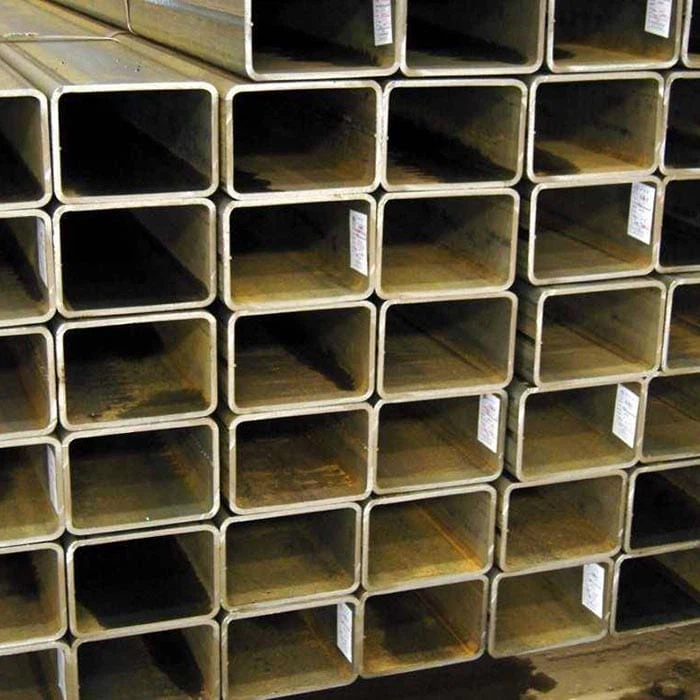
Rectangular pipes, especially Rectangular Steel Tube, offer excellent structural strength. Their shape provides a wider surface area for load distribution compared to round pipes. In high - altitude construction, where structures need to withstand various forces such as wind and snow loads, the rectangular shape can help distribute these loads more evenly, reducing the risk of localized stress points.
For example, in high - altitude building construction, rectangular pipes can be used as columns or beams. Their flat sides make them easier to connect to other structural elements, which is essential for creating a stable and robust framework.
Space Utilization
In high - altitude construction projects, where space may be limited, rectangular pipes are more space - efficient. They can be arranged more closely together, allowing for more compact and efficient use of the available space. This is particularly important in indoor construction within high - altitude facilities, such as research stations or mountain resorts.
Manufacturing and Installation
Rectangular pipes are relatively easy to manufacture and install. They can be easily cut, welded, and shaped to fit specific project requirements. In high - altitude areas, where transportation and logistics can be challenging, the ease of manufacturing and installation can save time and costs. Contractors can pre - fabricate rectangular pipes at lower altitudes and transport them to the construction site, reducing the need for on - site processing.
Challenges of Using Rectangular Pipes in High - Altitude Areas
Corrosion
As mentioned earlier, the increased UV radiation and extreme temperature variations in high - altitude areas can accelerate the corrosion process. Corrosion can weaken the pipes over time, reducing their structural integrity. To mitigate this issue, it is essential to use rectangular pipes with a high - quality anti - corrosion coating. Square Steel Tube can be treated with zinc coatings or other protective layers to prevent rust and corrosion.
Thermal Expansion and Contraction
The significant temperature differences between day and night in high - altitude regions can cause the rectangular pipes to expand and contract. If not properly accounted for in the design, this can lead to stress on the joints and connections, potentially resulting in leaks or structural failures. To address this problem, expansion joints can be installed at regular intervals along the length of the pipes.
Oxygen - Related Issues
In high - altitude areas with low oxygen levels, there may be concerns regarding the combustion of gases or the performance of certain processes that rely on oxygen. If the rectangular pipes are used in applications where oxygen is involved, such as in some industrial processes, special considerations need to be taken to ensure proper operation.
Case Studies
Let's take a look at some real - world examples of rectangular pipe usage in high - altitude areas.
A high - altitude wind farm project in the mountains used rectangular steel pipes for the support structures of the wind turbines. The engineers chose rectangular pipes for their excellent load - bearing capacity and ease of installation. However, they faced challenges with corrosion due to the harsh environmental conditions. To combat this, they applied a high - quality epoxy coating to the pipes, which significantly reduced the corrosion rate.
Another example is a high - altitude research station. The builders used 2x2 Square Tubing 20 Ft for the framework of the building. They designed the structure with expansion joints to accommodate the thermal expansion and contraction of the pipes. This helped ensure the long - term stability of the building.
Conclusion and Call to Action
In conclusion, rectangular pipes can be suitable for use in high - altitude areas, but they come with their own set of challenges. With proper design, material selection, and protective measures, these challenges can be effectively managed. Whether it's for constructing buildings, transporting fluids, or supporting infrastructure, rectangular pipes offer many advantages in high - altitude applications.
If you're planning a project in a high - altitude area and need rectangular pipes, I'd be more than happy to discuss your specific requirements. I have extensive experience as a rectangular pipe supplier and can provide you with high - quality products and expert advice. Contact me to start the procurement process and ensure the success of your project.

References
- Building codes and standards for high - altitude construction.
- Research papers on the performance of construction materials in high - altitude environments.
- Case studies of construction projects in high - altitude areas.