


Products Description
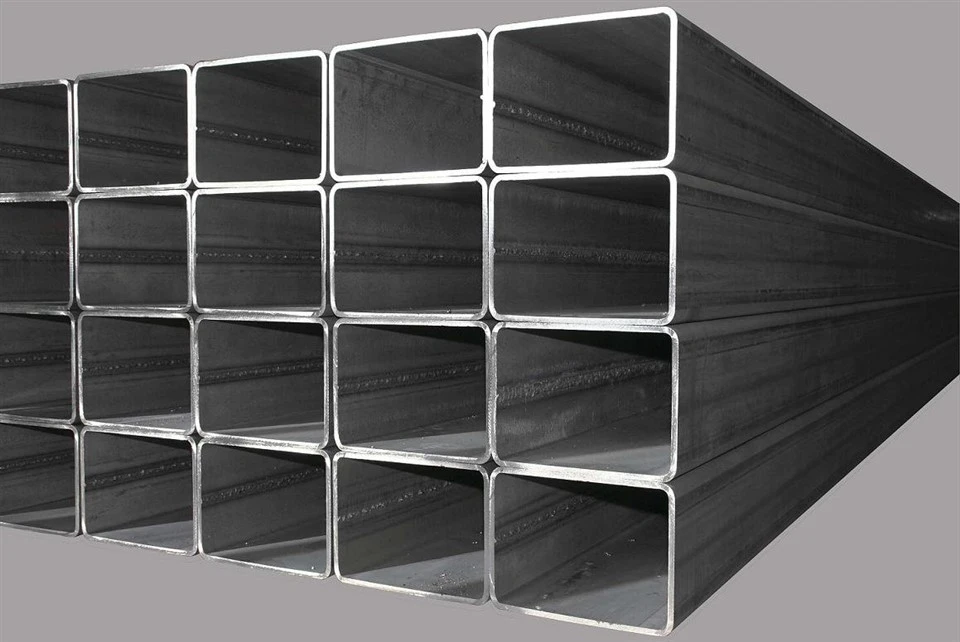
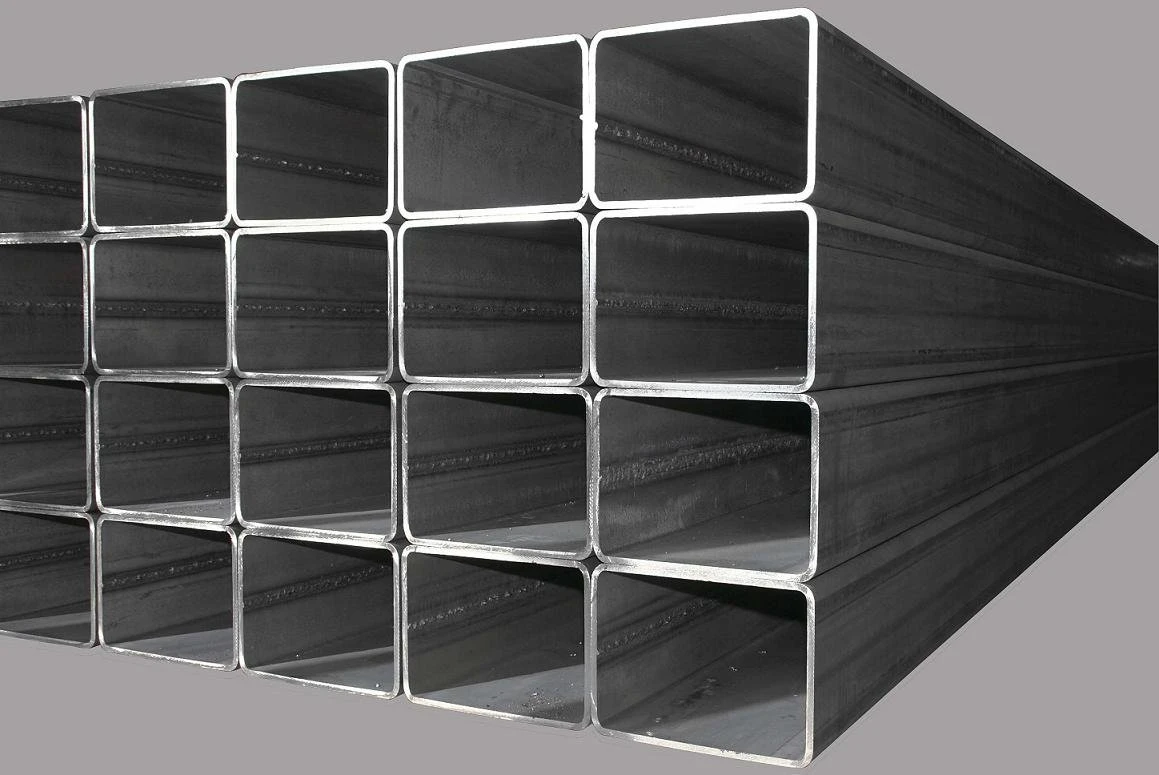
EN 10219 S275JR square and rectangular hollow sections (SHS/RHS) are cold-formed, welded structural steel tubes produced to the European standard EN 10219-1 / EN 10219-2. The base material, S275JR, is defined in EN 10025-2. The grade designation is read as follows: S = structural steel; 275 = minimum yield strength of 275 MPa; JR = minimum Charpy V-notch impact energy of 27 J at +20 °C.
These hollow sections are manufactured by cold-forming hot-rolled steel strip into a circular shape, closing the seam by high-frequency electric resistance welding (ERW), and then sizing the round tube into square or rectangular profiles. The finished tube retains the mechanical properties of the S275JR base material while offering the structural efficiency of a closed hollow section-high torsional rigidity, equal resistance about both principal axes (for SHS), and a clean, flat surface suitable for bolted or welded connections.
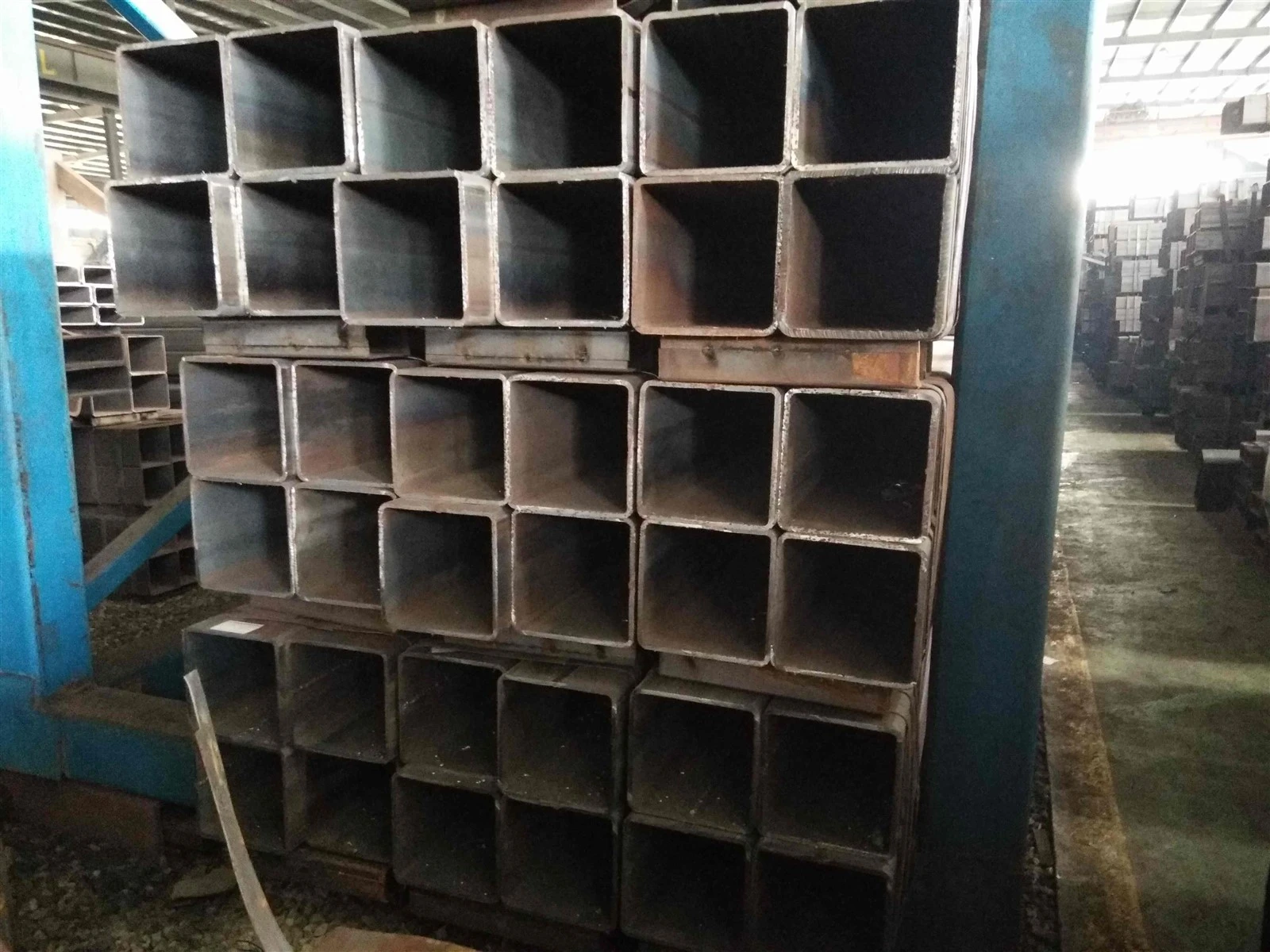
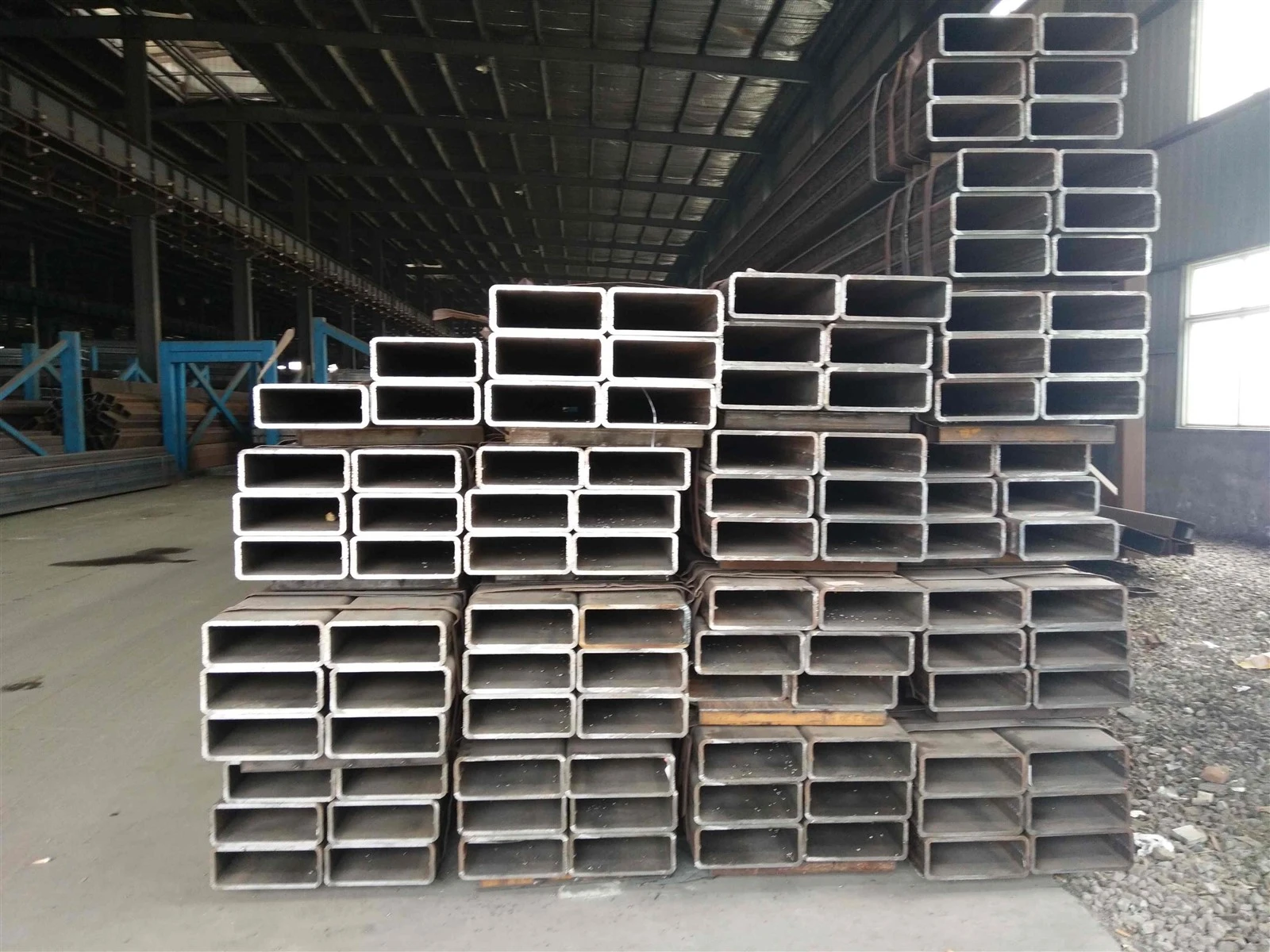
The product is supplied in black (mill finish) , hot-dip galvanized, pre-galvanized, or painted condition, and is commonly stocked and exported in standard 6 m and 12 m lengths, with cut-to-length service available on request.
| Side (mm) | Wall thickness range (mm) | Typical export lengths |
| 20 × 20 | 1.5–2.5 | 6 m / 12 m |
| 25 × 25 | 1.5–3.0 | 6 m / 12 m |
| 30 × 30 | 1.5–3.0 | 6 m / 12 m |
| 40 × 40 | 1.5–4.0 | 6 m / 12 m |
| 50 × 50 | 1.5–5.0 | 6 m / 12 m |
| 60 × 60 | 2.0–5.0 | 6 m / 12 m |
| 70 × 70 | 2.0–5.0 | 6 m / 12 m |
| 80 × 80 | 2.5–6.0 | 6 m / 12 m |
| 100 × 100 | 3.0–8.0 | 6 m / 12 m |
| 120 × 120 | 3.0–8.0 | 6 m / 12 m |
| 150 × 150 | 4.0–10.0 | 6 m / 12 m |
| 200 × 200 | 5.0–12.0 | 6 m / 12 m |
| 250 × 250 | 6.0–14.0 | 6 m / 12 m |
| 300 × 300 | 6.0–16.0 | 6 m / 12 m |
| 400 × 400 | 8.0–16.0 | 6 m / 12 m |
Surface Condition & Delivery:
- Black / mill finish: as-welded, with internal and external weld beads trimmed; suitable for painting or further processing.
- Hot-dip galvanized: zinc coating applied after fabrication, offering long-term outdoor corrosion protection.
- Pre-galvanized: zinc-coated strip used as the base material, with weld seams and cut ends requiring supplementary protection.
- Painted / coated: primer or finish coats for architectural or identification purposes.
Technical Specifications
1.Chemical Composition (S275JR, EN 10025-2, product thickness ≤ 40 mm):
| Grade | C | Mn | P | S | N | Cu |
|---|---|---|---|---|---|---|
| S275JR | 0.21 (t≤40mm) | 1.50 | 0.035 | 0.035 | 0.012 | 0. |
2.Mechanical Properties :
| Nominal Wall Thickness t | Min Yield Strength ReH (MPa) | Tensile Strength Rm (MPa) | Min Elongation A5 (%) | Impact Test |
|---|---|---|---|---|
| t ≤16 mm | 275 | 430–580 | 21 | JR: 27J @ +20℃ |
| 16<t ≤40 mm | 265 | 410–560 | 20 | JR: 27J @ +20℃ |
3.Tolerance Standard
Dimension tolerance: EN10219-2
Wall thickness tolerance: minus tolerance controlled, per European standard
Corner radius: controlled cold forming radius, suitable for painting & galvanizing
Straightness: ≤0.2% of total length
| Characteristic | Requirement |
| Outside dimensions (B, H) | ±1% with a minimum of ±0.50 mm and a maximum of ±10 mm; for side lengths 100–200 mm, a tighter ±0.8% is commonly applied |
| Wall thickness (T) | T ≤ 5 mm: ±10%; T > 5 mm: ±0.50 mm |
| Squareness of sides | 90° ± 1° |
| External corner radius | 1.6T–2.4T for T ≤ 6 mm; 2.0T–3.0T for 6 < T ≤ 10 mm |
| Twist | 2 mm + 0.5 mm/m of length |
| Straightness | 0.15%–0.20% of total length, with a local limit of 3 mm per meter |
| Mass | ±6% per individual length |
| Length | –0 / +50 mm on ordered length |
4.Surface Options
Black hot rolled surface (mill black, most economic for export)
Pickled & oiled (anti-rust, clean surface)
Hot dip galvanized (Zinc 80–275 g/m², ISO14713)
Primer painted / custom colour painting
Applications
EN 10219 S275JR hollow sections are selected where a 275 MPa yield strength is sufficient for the design load and the service temperature does not fall below the +20 °C impact-test qualification of the JR grade. The closed hollow shape provides high strength-to-weight ratio, torsional stiffness, and clean connection surfaces, making it a default choice across the following sectors:
Building & Construction
- Steel columns, beams, and roof trusses in factory buildings, warehouses, and commercial structures
- Stair stringers, handrails, and architectural posts
- Space frames and modular building systems where equal biaxial bending resistance simplifies design
Heavy Machinery & Equipment
- Crane booms, jibs, and lattice sections
- Excavator and earth-moving equipment chassis members
- Conveyor gantries and support frames
- Agricultural and forestry machinery frames
Transportation & Infrastructure
- Trailer chassis and container corner posts
- Ship internal structures and deck framing
- Bridge secondary members, bracing, and sign gantries
- Power transmission tower bracing
General Fabrication
Pallet racking and storage systems
Guardrails, fencing, and gate frames
Furniture and display structures requiring a clean, square profile
Grade selection note: For service temperatures below +20 °C-or where the project specification demands sub-zero impact testing-the appropriate grade should be S275J0 (0 °C / 27 J) or S275J2 (–20 °C / 27 J). S275JR is not intended for low-temperature critical applications.
FAQ
Q1: What is the difference between S275JR, S275J0, and S275J2?
All three grades share the same minimum yield strength of 275 MPa and tensile strength range of 410–560 MPa. They differ only in the Charpy impact test temperature: S275JR is tested at +20 °C, S275J0 at 0 °C, and S275J2 at –20 °C, each with a minimum absorbed energy of 27 J on longitudinal specimens. For cold-climate or low-temperature service, S275J0 or S275J2 should be specified.
Q2: Is S275JR equivalent to Q275 or ASTM A500 Grade B/C?
S275JR is the European EN designation. Q275 is the closest Chinese standard grade, with a similar nominal yield level, but the impurity limits, impact-test requirements, and inspection documents differ. Against ASTM A500, S275JR is often compared approximately to Grade B or Grade C in terms of strength level, but the two systems are not directly interchangeable without project-specific confirmation. Always verify equivalence against the governing specification and mill certificate.
Q3: Can S275JR hollow sections be welded without preheat?
For most thin- and medium-wall sections, yes-the low carbon and manganese levels keep the carbon equivalent low, and conventional welding procedures can be used without preheat. For wall thicknesses above approximately 20 mm, at low ambient temperatures, or in highly restrained joints, a preheat of 50–100 °C is recommended. Welding should always follow a qualified welding procedure specification (WPS).
Q4: Does S275JR have good corrosion resistance?
S275JR is a non-alloy structural steel and behaves like ordinary carbon steel in corrosive environments. It will rust outdoors unless protected by painting, hot-dip galvanizing, or a suitable coating system. The specified copper addition (≤ 0.55%) provides only a slight improvement in atmospheric corrosion resistance; S275JR should not be treated as a weathering steel (such as S355J2W).
Q5: What is the difference between EN 10219 and EN 10210?
EN 10219 covers cold-formed welded structural hollow sections. EN 10210 covers hot-finished hollow sections. Cold-formed EN 10219 sections are more economical and are produced with a wider range of thin-wall sizes, while hot-finished EN 10210 sections generally offer more uniform corner geometry and residual stress distribution. Both are used for structural applications, and the choice depends on design requirements, availability, and cost.
Q6: What inspection documents are available?
Standard supply includes a mill test certificate to EN 10204 3.1, showing heat number, chemical composition, and mechanical properties. For projects requiring full traceability, EN 10204 3.2 certificates witnessed by an independent inspection body can be arranged. Third-party inspection (SGS, BV, TÜV, etc.) is available on request.
Q7: What are the standard packaging and loading arrangements for export?
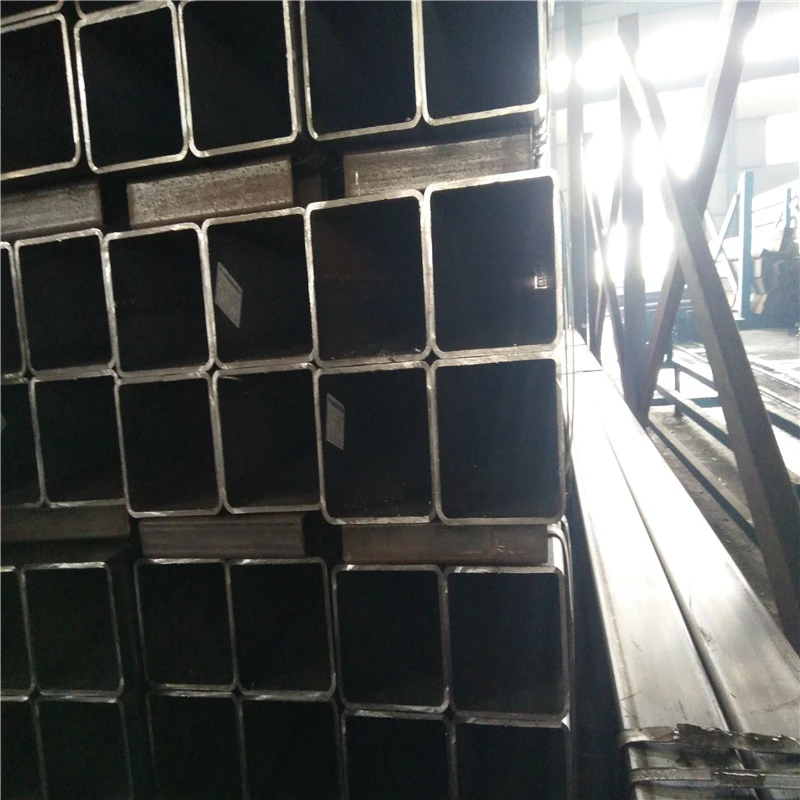
Export packaging typically includes steel bundling with strapping, nested packing (smaller sizes inserted into larger sections to optimize container space), and wooden pallets or crates for cut-to-length or galvanized material. Bundles are marked with heat numbers, dimensions, and shipping marks. Loading is coordinated for 20 ft and 40 ft containers, or breakbulk for larger tonnages, with lashing and dunnage to prevent movement and abrasion during transit.
Q8: What is the minimum order quantity (MOQ) and typical lead time?
MOQ is commonly 1 metric ton for stock sizes and 5–25 metric tons for customized rolling, cutting, or galvanizing. Lead time is typically 10–25 days for stock material and 25–35 days for production runs, depending on size, surface treatment, and order volume. Exact terms should be confirmed at the time of inquiry.
Our address
Rm1406,14th/F No 208, Hongqi Road, Nankai Dist, Tianjin City ,China
Phone Number(whatsApp/Wechat)
+8616622033809
alisa@tjshenzhoutong.com

Hot Tags: en10219 s275jr square & rectangular hollow sections, China en10219 s275jr square & rectangular hollow sections manufacturers, suppliers, factory, 2x2 Square Tubing 20 Ft, rectangular pipe, rectangular pipe bands, rectangular pipe design improvements, rectangular pipe for expansion projects, rectangular pipe innovation


