


Product introduction
| Product | 3PE Anti-Corrosion Steel Pipe |
| Coating Standard | DIN 30670 |
| Steel Pipe Grade | API 5LGRB-X80, ASTM A53 GRA-GRC, EN10219 |
| Technique | Welded and Seamless Pipes |
| OD mm | 21mm-3200mm |
| WT mm | 1mm-50mm |
| Length | 5.8m/6m/11.8m/12m/DRL/SRL/Random Length |
| Surface | 2LPE Coating/3LPE Coating/FBE Coating |
The Component of 3PE Anti-Corrosion Steel Pipe
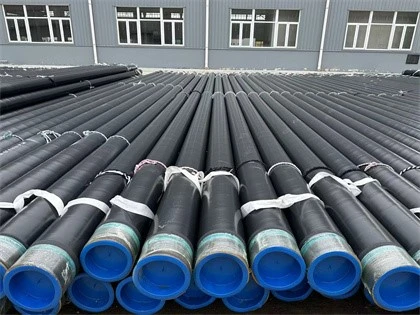
Epoxy Powder Application (Inner Layer):
1.Electrostatic Spraying: Negatively charged epoxy powder is sprayed onto the positively grounded, hot steel pipe.
2.The heat causes the powder to melt, flow, and chemically bond to the metal surface, forming a continuous, pinhole-free layer.
3.Typical thickness: 80–100 μm .
4.This layer provides excellent chemical resistance and strong adhesion to the steel.
2. Adhesive Layer Application (Middle Layer):
1.While the pipe is still hot, a copolymer adhesive (typically EVA or APAO) is applied immediately after the epoxy layer.
2.This layer acts as a "molecular bridge," ensuring strong bonding between the polar epoxy and the non-polar polyethylene.
3.Applied via extrusion or spray, with a thickness of 170–250 μm .
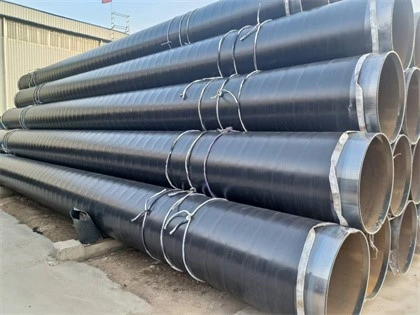
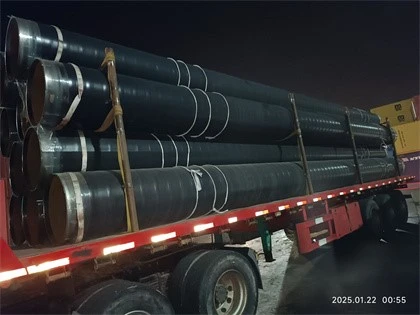
3. Polyethylene Outer Layer (Outer Layer)
A thick layer of high-density polyethylene (HDPE) is extruded over the adhesive layer while the pipe is still in motion and hot.
This outer shell provides:
1.Mechanical protection against impact and abrasion.
2.Resistance to water, UV radiation, and soil stress.
3.Long-term durability in harsh environments.
4.Thickness ranges from 1.8 mm to 3.7 mm, depending on the service conditions (e.g., 2.5 mm for general use, up to 3.7 mm for severe environments) .
The comparison between bare pipes and 3PE Anti-Corrosion Steel Pipe
| Feature | 3PE-Coated Steel Pipe | Non-Coated Steel Pipe | Advantage of 3PE |
| Corrosion Resistance | Excellent – resists soil moisture, acids, alkalis, salts, and microbial corrosion | Poor – highly susceptible to rust and pitting | ✅ Prevents internal/external corrosion in harsh environments |
| Lifespan | 30–50 years (up to 80+ under optimal conditions) | 5–15 years, often less in aggressive soils | ✅ 2–5x longer service life |
| Mechanical Protection | High – PE layer resists impact, abrasion, and soil stress (≥8 J/mm) | None – surface easily damaged during handling/installation | ✅ Withstands backfilling, transportation, and ground movement |
| Adhesion Strength | Strong chemical & mechanical bond (FBE to steel, multi-layer integration) | N/A – no protective coating | ✅ No delamination under thermal cycling or pressure |
| Installation Flexibility | Can be directly buried or submerged without additional protection | Requires external wrapping, cathodic protection, or trench lining | ✅ Reduces installation complexity and cost |
| Maintenance Needs | Minimal – low lifecycle intervention | Frequent inspections, repairs, and replacements required | ✅ Saves time and operational costs |
| Leakage Risk | Very low – seamless, pinhole-free coating with holiday testing | High – corrosion leads to leaks, especially at welds | ✅ Enhances safety for oil, gas, and water transmission |
| Energy Efficiency | Smooth inner wall reduces flow resistance and pumping energy | Rough, corroding surface increases friction and energy loss | ✅ Improves system efficiency by up to 15% |
| Environmental Safety | Prevents contamination from leaks; materials are non-toxic and recyclable | Risk of soil/water pollution due to corrosion failure | ✅ Eco-friendly and sustainable choice |
| Total Cost of Ownership | Higher initial cost, but much lower long-term cost | Lower upfront cost, but high maintenance and replacement costs | ✅ Cost-effective over lifecycle |
| Applicable Standards | Complies with ISO 21809-1, API 5L, SY/T 0413, DIN 30670 | Typically unregulated or minimally protected | ✅ Meets international pipeline safety standards |
| Typical Applications | Oil & gas pipelines, municipal water systems, offshore projects, chemical plants | Temporary structures, above-ground low-risk uses | ✅ Suitable for critical infrastructure |
Quality Inspection and Testing
Every pipe undergoes rigorous checks:
1.Visual Inspection: For bubbles, cracks, or uneven coating.
2.Pinhole Detection (Holiday Test): High-voltage spark tester scans the surface - any pinhole will conduct electricity and trigger an alarm .
3.Adhesion Test: Measures bond strength between layers and between coating and steel.
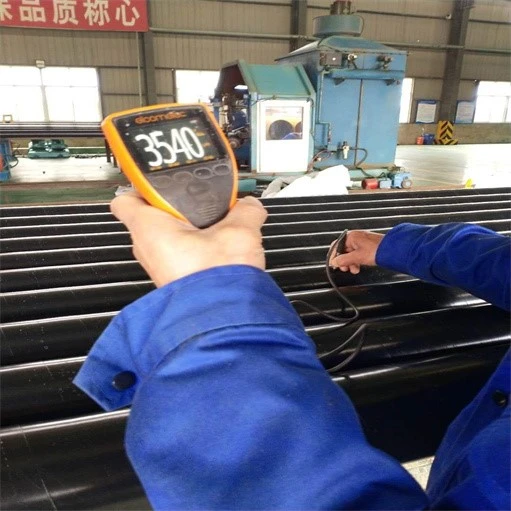
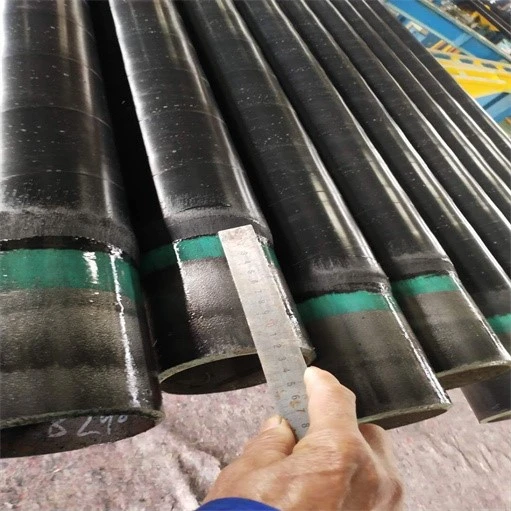
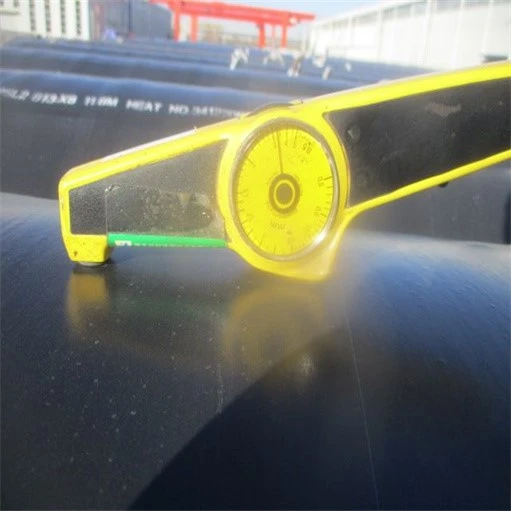
4.Coating Thickness Measurement: Ensures compliance with standards like SY/T 0413 or DIN 30670 .
5.Each pipe may carry a traceable QR code linking to its production data and test reports .
Contact
we are here for you
Hot Tags: 3pe anti-corrosion steel pipe, China 3pe anti-corrosion steel pipe manufacturers, suppliers, factory, short erw pipe, erw pipe for exhaust ducts, ERW Steel Pipe Api 5l Pipe, erw pipe for greywater reuse systems, erw pipe for pipe fittings, erw pipe for ultrafiltration plants


